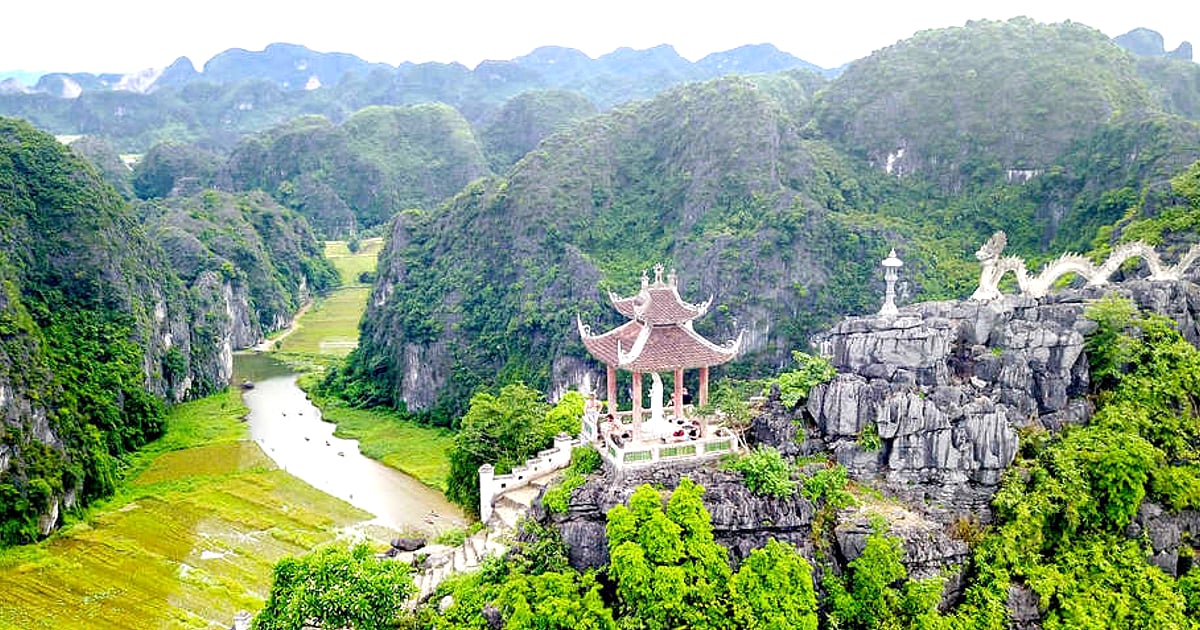
The question most travellers fail to ask about Northern Vietnam is not “Ninh Binh or Sapa?” but “Ninh Binh AND Sapa — in what order?” The two destinations complement each other with a precision that feels almost designed: lowland karst waterways against highland rice terraces, ancient imperial history against living ethnic cultures, flat cycling against mountain trekking. This ninh binh sapa itinerary covers both in five days — a duration that, while ambitious, delivers a comprehensive Northern Vietnam experience without the schedule compression that transforms travel into logistics.
Having tested multiple route combinations since 2024, the optimal sequence is Ninh Binh first, then Sapa — a claim I shall defend with evidence rather than opinion.
At a glance:
- Total duration: 5 days / 4 nights (2 nights Ninh Binh + 2 nights Sapa)
- Total cost: $180–350/person (budget to mid-range)
- Transport: Hanoi → Ninh Binh (2h bus) → Hanoi → Sapa (5.5h bus or overnight train)
- Best months: October–November (golden rice both locations) and March–April
- Fitness required: Moderate (486 steps at Mua Cave + 8–15 km trekking in Sapa)
Why Ninh Binh Before Sapa (Not the Reverse)
This ninh binh sapa itinerary places Ninh Binh first for three defensible reasons:
| Factor | Ninh Binh First | Sapa First |
|---|---|---|
| Acclimatisation | Start at sea level, end at 1,500m — body adjusts gradually | Immediate altitude, potential headache/fatigue on Day 1 |
| Intensity curve | Gentle boat rides → moderate climbing → challenging trekking | Hard trekking on jet-lagged legs → anticlimax with boats |
| Transit logic | Hanoi → Ninh Binh (2h south) → Hanoi → Sapa (5.5h northwest) — return via Sapa | Same total distance but you backtrack to Hanoi mid-trip |
| Photography sequence | Lowland golden light → highland mist — more visual variety | Similar landscapes first creates visual fatigue |
Day 1: Hanoi to Ninh Binh — Trang An & Hoa Lu
Depart Hanoi by 07:00. The 95 km journey takes 2–2.5 hours by bus (Giap Bat station, 80,000 VND) or private car (800,000 VND). Arrive Tam Coc area by 09:30.
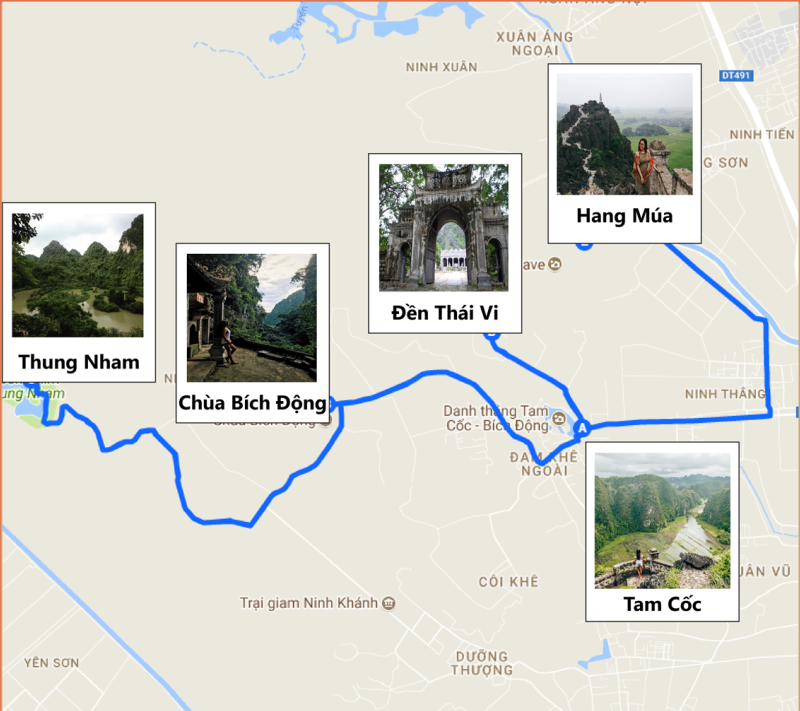
Morning: Trang An UNESCO Boat Tour (09:30–12:30)
Begin with Trang An — the UNESCO World Heritage boat ride through 9 caves and hidden valleys. Choose Route 2 (most caves, least crowded). Duration: 3 hours. Cost: 200,000 VND ($8). The morning light entering cave mouths from the east creates the most dramatic effects. Bring a waterproof phone case — the low-clearance caves require ducking, and water drips.
Afternoon: Hoa Lu Ancient Capital (14:00–16:00)
After lunch in Tam Coc, visit Hoa Lu — Vietnam’s capital from 968–1010 AD. The twin temples of Dinh Tien Hoang and Le Dai Hanh require 1.5 hours for proper appreciation. Entry: 20,000 VND. The temples contain some of the finest examples of Nguyen dynasty restoration work, and the valley setting — enclosed by karst walls that served as natural fortification — explains why Dinh Bo Linh chose this location for his citadel.
Evening: Settle in Tam Coc
Check into accommodation. Dinner at a local restaurant — try de nuong (grilled goat) with Bia Ha Noi. Costs: 200,000–400,000 VND per room/night. See accommodation guide.
Day 2: Tam Coc, Mua Cave & Cycling
Early Morning: Mua Cave Sunrise (05:00–07:00)
Set an alarm that you will resent. The Mua Cave sunrise rewards the 486-step pre-dawn climb with the finest panoramic view in Ninh Binh: mist threading through karsts, the Ngo Dong River catching first light, and — in September/October — golden rice fields below. Entry: 100,000 VND. Bring a headtorch.
Morning: Tam Coc Boat Ride (07:30–09:30)
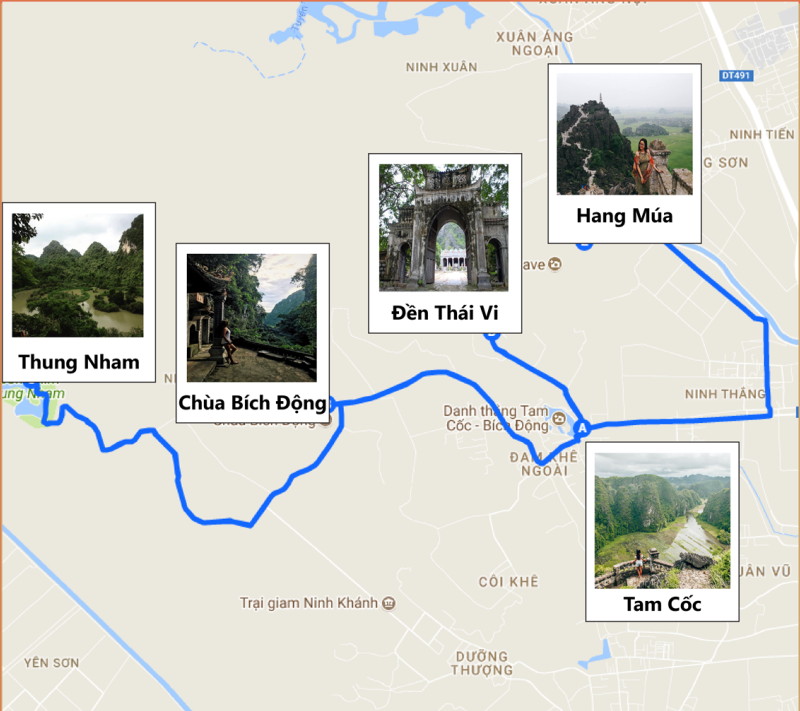
Descend Mua Cave and walk to Tam Coc boat dock (10 minutes). The early departure means fewer boats. The 2-hour sampan ride through three river caves passes through the heart of the rice paddies. Cost: 150,000 VND.
Late Morning: Cycling the Paddies (10:00–12:00)
Rent a bicycle (50,000 VND) and follow the 15 km circuit through the countryside between Tam Coc and Bich Dong Pagoda. The terrain is flat, the traffic minimal, and the landscape — rice paddies flanked by karst towers — is the reason one came.
Afternoon: Bai Dinh Pagoda (14:00–16:00)
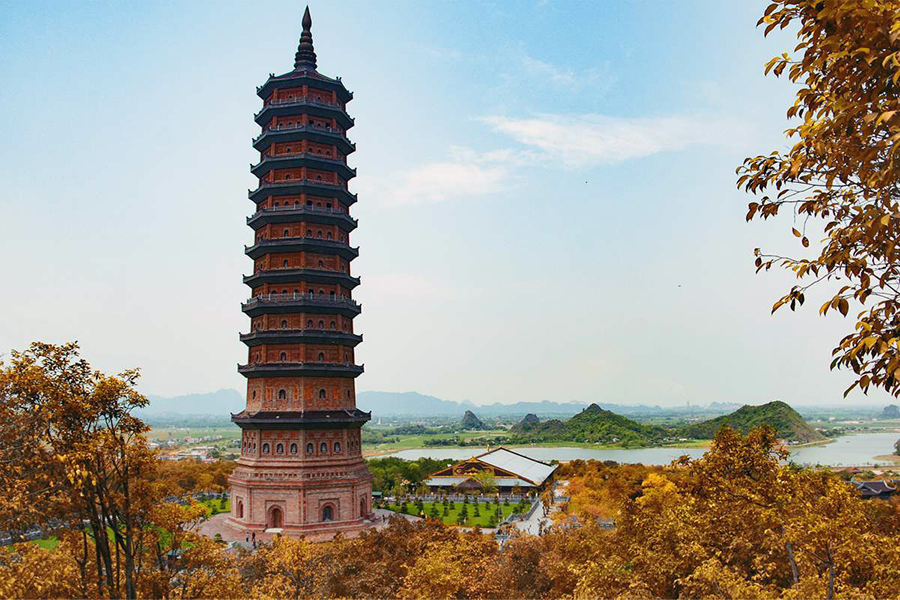
Optional but recommended: Bai Dinh, Southeast Asia’s largest Buddhist complex. The electric car tour (60,000 VND) covers the vast grounds without exhaustion. The 500 stone arhat statues along the corridor are genuinely impressive regardless of one’s spiritual inclinations.
Evening: Transit to Hanoi
Depart Ninh Binh by 17:00 bus (arrive Hanoi ~19:30). Check into Hanoi hotel near train/bus station for morning Sapa departure. Alternatively, take the 20:00 overnight sleeper train to Sapa (arriving 06:00) and combine transit with sleep.
📚 Historical Note: The journey from Ninh Binh to Sapa mirrors — in reverse — the route that French colonial administrators travelled from the lowland capital to their mountain retreats. The French established Sapa as a hill station in 1922 precisely because the climate provided relief from the very humidity one experiences in Ninh Binh’s karst valleys.
Day 3: Hanoi to Sapa — Cat Cat Village
Morning Transit: Hanoi to Sapa
Option A: Sleeper bus (250,000 VND, 5.5 hours, multiple operators from My Dinh station, depart 06:30). Option B: If you took the overnight train, you arrive at 06:00 and gain a full day. The new Hanoi–Lao Cai expressway has reduced driving time to 4.5 hours — a considerable improvement over the 6-hour mountain roads of 2023.
Afternoon: Cat Cat Village Trek (14:00–17:00)
After checking in, walk to Cat Cat Village (3 km from Sapa town centre, downhill). This Black H’Mong village offers a gentle introduction to Sapa trekking: waterfall, traditional houses, indigo dyeing demonstrations. Entry: 100,000 VND. Duration: 2–3 hours. The return climb is steeper than expected — a preview of Day 4.
Evening: Sapa Town
Explore the weekend night market (Saturday only) or dine at a Sapa restaurant with valley views. Temperature: 12–20°C (October) — bring layers. Sapa accommodation: 250,000–1,500,000 VND/night depending on category.
Day 4: Sapa Trekking — Muong Hoa Valley
Full Day Trek: Muong Hoa Valley (08:00–16:00)
The signature Sapa experience. A guided trek (recommended — local H’Mong or Dao guides know the trails) through terraced rice fields to Lao Chai and Ta Van villages. Distance: 10–14 km. Elevation change: 400m descent then ascent. Guide cost: 300,000–500,000 VND/day.
The Muong Hoa Valley terraces are architecturally distinct from the Ninh Binh paddies — carved into mountainsides at 900–1,200m elevation, following contours that required generations to engineer. Where Ninh Binh’s rice fields are flat expanses between vertical karsts, Sapa’s are cascading steps of green and gold on 30–45 degree slopes. The contrast, experienced within the same week, is rather more affecting than one anticipates.
Afternoon Alternative: Fansipan Cable Car
For those preferring altitude without exertion: the Sun World cable car (700,000 VND/$28 return) ascends 3,143m Fansipan — Indochina’s highest peak — in 15 minutes. The views are spectacular; the summit temple complex is extensive; the commercial infrastructure at the top is, one must note, somewhat less than subtle.
Day 5: Sapa Morning & Return
Morning: Silver Waterfall or Ham Rong Mountain (07:00–10:00)
Two options for the final morning. Silver Waterfall (Thac Bac, 12 km from town, 20,000 VND entry) is most impressive August–October. Ham Rong Mountain (entry: 70,000 VND) provides a 1–2 hour walk through gardens with panoramic Sapa views — an appropriate farewell to the highlands.
Return Transit (11:00–17:00)
Sleeper bus to Hanoi, arriving approximately 17:00. Alternatively, Lao Cai train (depart 15:00, arrive Hanoi 21:00) allows a morning market visit in Sapa. For flights: Lao Cai airport is under construction (expected 2027). Currently, Noi Bai (Hanoi) remains the nearest airport.
Cost Breakdown for 5-Day Ninh Binh Sapa Itinerary
| Category | Budget | Mid-Range | Comfort |
|---|---|---|---|
| Transport (all legs) | $20 | $45 | $90 |
| Accommodation (4 nights) | $40 | $100 | $200 |
| Activities & entries | $25 | $40 | $65 |
| Meals (5 days) | $30 | $55 | $90 |
| Guides & tips | $15 | $25 | $45 |
| Total per person | $130 | $265 | $490 |
📌 Book this combo:
Combo tours on Klook | Multi-day tours on Klook
Some links are affiliate links. We earn a small commission at no extra cost to you.
FAQ
Can I do Ninh Binh and Sapa in 5 days?
Yes, 5 days is ideal: 2 days Ninh Binh + transit + 2 days Sapa. This ninh binh sapa itinerary covers all highlights without rushing. Four days is possible but sacrifices depth at one destination.
What is the best month for a Ninh Binh and Sapa trip?
October is optimal — golden rice harvest at both destinations, dry weather, comfortable temperatures (25°C Ninh Binh, 15°C Sapa). March–April is the second-best window with green terraces and fewer tourists.
How do I get from Ninh Binh to Sapa?
No direct route. Return to Hanoi (2h bus), then Hanoi to Sapa (5.5h bus or 8h overnight train). Total transit: 7.5–10 hours. The overnight train option converts transit into sleep, saving a day.
Disclosure: Some links in this article are affiliate links. If you book through them, we earn a small commission at no extra cost to you.
Related Ninh Binh Guides
- how to get from Hanoi to Ninh Binh
- complete Ninh Binh travel guide
- best time to visit Ninh Binh
- Ninh Binh photography spots guide
For further reading: official visitor info from vietnam.travel.
Frequently Asked Questions
How many days do I need for a combined Ninh Binh and Sapa itinerary?
The minimum effective duration is five days, allowing two nights in Ninh Binh for the Tam Coc and Trang An circuits and Mua Cave, one travel day returning through Hanoi, and two nights in Sapa for trekking and ethnic minority village visits. Seven days allows a more measured pace, adding Cuc Phuong National Park from the Ninh Binh base and a second trekking route in Sapa. The travel day between destinations is unavoidable given the 400-kilometer distance, but the overnight train from Hanoi to Lao Cai (departing 9:30 PM, arriving 5:30 AM) converts transit time into sleeping time.
Should I visit Ninh Binh or Sapa first?
Starting with Ninh Binh is logistically superior because it sits just two hours south of Hanoi, allowing an early morning departure and full afternoon of sightseeing on arrival day. The return to Hanoi for the overnight train to Sapa then flows naturally without backtracking. Beginning with Sapa requires either an overnight train or early flight to Lao Cai immediately upon arrival in Hanoi, which compounds jet lag, and the Ninh Binh-first sequence eases travelers into Vietnam’s climate before tackling Sapa’s more demanding mountain terrain.
Can I travel directly from Ninh Binh to Sapa without returning to Hanoi?
There is no practical direct route between Ninh Binh and Sapa. The most efficient connection routes through Hanoi, adding approximately 4 hours of ground travel to reach Hanoi station for the overnight train. Some travelers hire a private car from Ninh Binh directly to Sapa (approximately 8-9 hours, costing 4,000,000-5,000,000 VND), but the mountain road via Son La is winding and fatiguing. The Hanoi transit, while seemingly indirect, provides a useful break for restocking supplies, accessing ATMs, and catching the comfortable overnight sleeper train departing at 9:30 PM.
For advance booking with e-ticket confirmation and English-language support, check current timetables on 12Go.