From the Desk of Dr. Ninh binh photography — a topic that deserves proper examination — james Whitford:
I am not a professional photographer. I am an academic who happens to carry a camera into the field. But Ninh Bình has made me a considerably better photographer than I have any right to be, because the landscape does most of the compositional work. The karst towers create natural framing, the rice paddies provide foreground geometry, and the light — particularly in October — performs transformations that make technical skill almost secondary to timing. What follows is a guide based on eleven years of shooting in this province, 47,000 frames, and perhaps 200 images that I consider genuinely good. This is particularly relevant when considering ninh binh photography options for your visit.
Related Guides
- Hanoi to Ninh Binh 2026: Bus, Train & Private Transfer Compared
- The Ultimate Ninh Binh Travel Guide 2026
For more information, see Ninh Bình province. Understanding ninh binh photography in this context helps with trip planning.
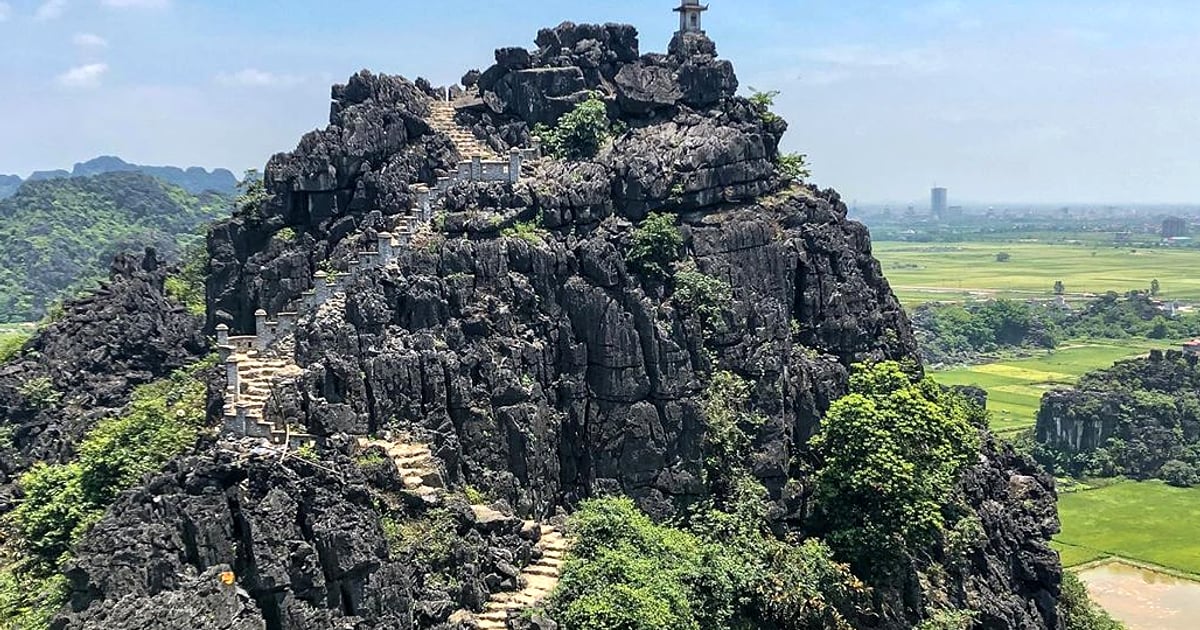
Ninh Bình is northern Vietnam’s most photogenic province — offering karst tower panoramas from Múa Cave, golden rice paddy reflections at Tam Cốc, cave interiors at Tràng An, and dawn mist compositions that combine geological drama with agricultural serenity within a 15km cycling radius. For visitors researching ninh binh photography, this information proves especially useful.
At a glance:
- #1 panorama: Múa Cave summit (sunrise/sunset, 486 steps, 150,000 VND)
- #1 reflection: Tam Cốc golden paddies (early October, 06:30 departure)
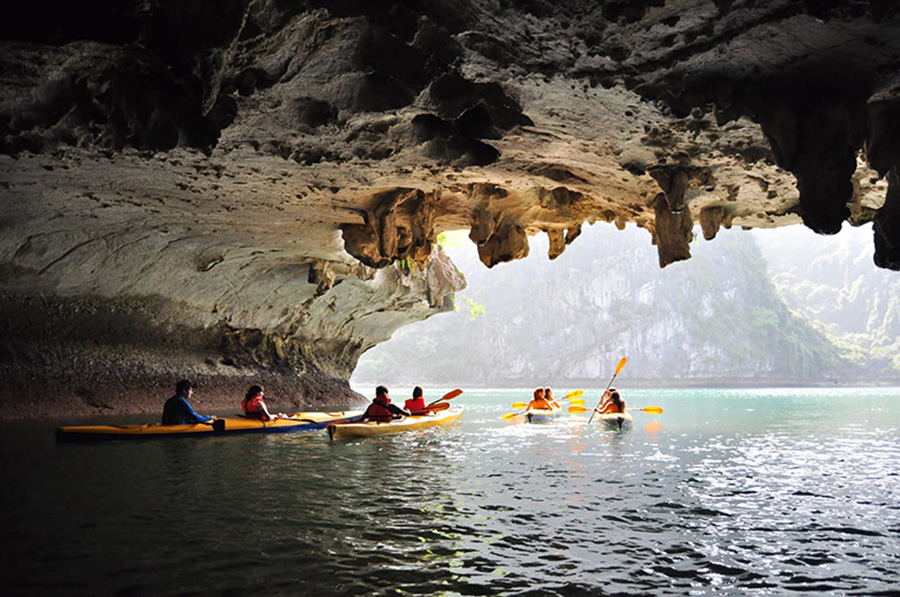
- #1 atmosphere: Tràng An cave interiors (darkness + water reflections)
- Best month: October (golden harvest, clear skies, optimal light angle)
- Gear essentials: Wide-angle (16–35mm), graduated ND filter, waterproof bag
Best Photography Locations in Ninh Binh
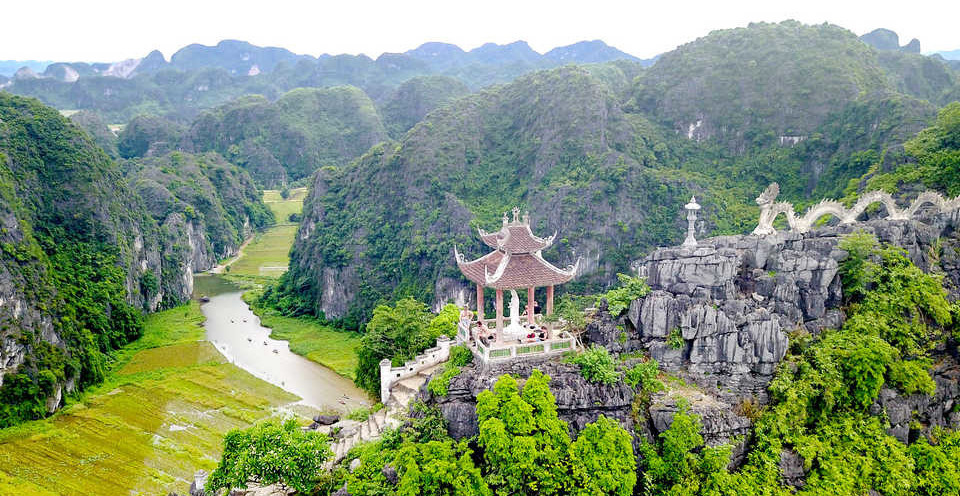
Ninh Bình’s five premier photography locations — Múa Cave summit (panoramic karst valley), Tam Cốc boat ride (river-level rice paddy reflections), Tràng An cave passages (darkness and water), Bích Đông upper pagoda (elevated valley perspective), and Vân Long Wetland (dawn mist on still water) — each reward different techniques, lenses, and light conditions. This directly impacts the ninh binh photography experience for most travellers.
| Location | Best Time | Best Lens | Key Shot |
|---|---|---|---|
| Múa Cave summit | 05:30–06:30 | 16–35mm wide | Valley panorama, dragon silhouette |
| Tam Cốc boat | 06:30–07:30 | 24–70mm zoom | Rice paddy reflections, cave frames |
| Tràng An caves | Any (dark interior) | 35mm f/1.8+ | Cave exit light, water reflections |
| Bích Đông upper | 07:00–08:00 | 35–50mm | Incense through stalactites |
| Vân Long Wetland | 06:00–07:00 | 70–200mm tele | Mist on water, langur on cliff |
What Camera Gear Do You Need for Ninh Binh?
The essential Ninh Bình photography kit is a camera with manual controls, a wide-angle lens (16–35mm for karst panoramas), a standard zoom (24–70mm for boat rides), a graduated ND filter (2-stop for sky/valley balance), and a waterproof bag — total weight under 3kg for comfortable cycling between locations.
The waterproof bag is not optional. Even outside rainy season, morning mist deposits moisture on gear, cave interiors drip consistently, and the boat rides involve occasional splashing. I use a simple dry bag (available in Tam Cốc shops for 50,000 VND) that fits camera body and two lenses. The investment-to-insurance ratio is exceptional. The ninh binh photography landscape has evolved considerably in this regard.
Ninh Binh Photography by Season
October delivers the iconic golden rice composition that defines Ninh Bình internationally, but each season offers distinct photographic opportunities — June’s vivid green and lotus blooms, December’s moody karst mist, and July’s dramatic storm clouds over the valley create equally compelling images in different aesthetic registers.
How to Photograph Tam Coc from the Boat
The optimal Tam Cốc boat photography technique requires a 06:30 departure (still water, no boat wake), a wide-angle lens positioned 10cm above the gunwale for low-angle reflections, and the discipline to shoot during the first 30 minutes before other boats disturb the river surface — with October’s golden paddies providing the most saturated compositions.
The cave exit shots require a different approach entirely. As the boat emerges from Hang Cả (the 127m first cave), the cave mouth frames the karst valley beyond — a natural vignette of darkness surrounding light. Expose for the bright exterior (the cave interior will silhouette); the rower’s silhouette in the foreground creates the human element that elevates landscape photography from documentation to storytelling.
Drone Photography Rules in Ninh Binh
Drone flying in Ninh Bình requires Vietnamese Civil Aviation Authority (CAAV) registration for drones above 250g, is prohibited within the Tràng An UNESCO core zone (6,172 hectares), and is tolerated (not explicitly permitted) in the Tam Cốc and Múa Cave areas outside operating hours — with dawn (05:30–06:00) offering the safest regulatory and crowd conditions.
Frequently Asked Questions
What is the best month for photography in Ninh Binh?
October — the rice harvest creates golden paddies, skies are clear (4 rain days), and light angle is optimal. June offers vivid greens and lotus. December provides atmospheric mist.
Can I use a phone camera in Ninh Binh?
Yes — modern smartphones produce excellent Ninh Bình images. The landscape’s natural composition compensates for sensor limitations. Key: shoot at dawn/dusk, avoid midday harsh light, use portrait mode for depth on cave exits.
Is a tripod useful in Ninh Binh?
For the Múa Cave summit at sunrise, yes (long exposures, pre-dawn). For boat rides, no (unstable platform). For general cycling photography, a gorilla-pod is more practical than a full tripod.
🏛️ Explore Ninh Binh with Expert Guides — Book a private Ninh Binh tour with knowledgeable local guides who bring the UNESCO heritage to life. All-inclusive day trips from Hanoi starting at $45/person.
📚 Dr. Whitford’s Note: The photographic challenge in Ninh Binh is not finding beautiful compositions — they are everywhere — but resisting the urge to replicate images you have already seen. The best photographs here come from the places between the famous viewpoints.
Further Reading
— Dr. James Whitford, Heritage Studies | University of Melbourne
This article contains affiliate links. When you book through our partner links, we may earn a small commission at no additional cost to you. This supports our continued research across Ninh Bình province.
— J. Whitford, PhD.
Cambridge, UK / Ninh Bình, VN
Disclosure: Some links in this guide may be affiliate links. I only recommend services I have personally verified.
📌 Book this experience:
the Klook page for this tour |
Some links are affiliate links. We earn a small commission at no extra cost to you.
📍 Explore more: best time to visit Ninh Binh →
For those planning ahead, I have found that you can browse Ninh Binh day tours on 12Go with confirmed availability and transparent pricing.