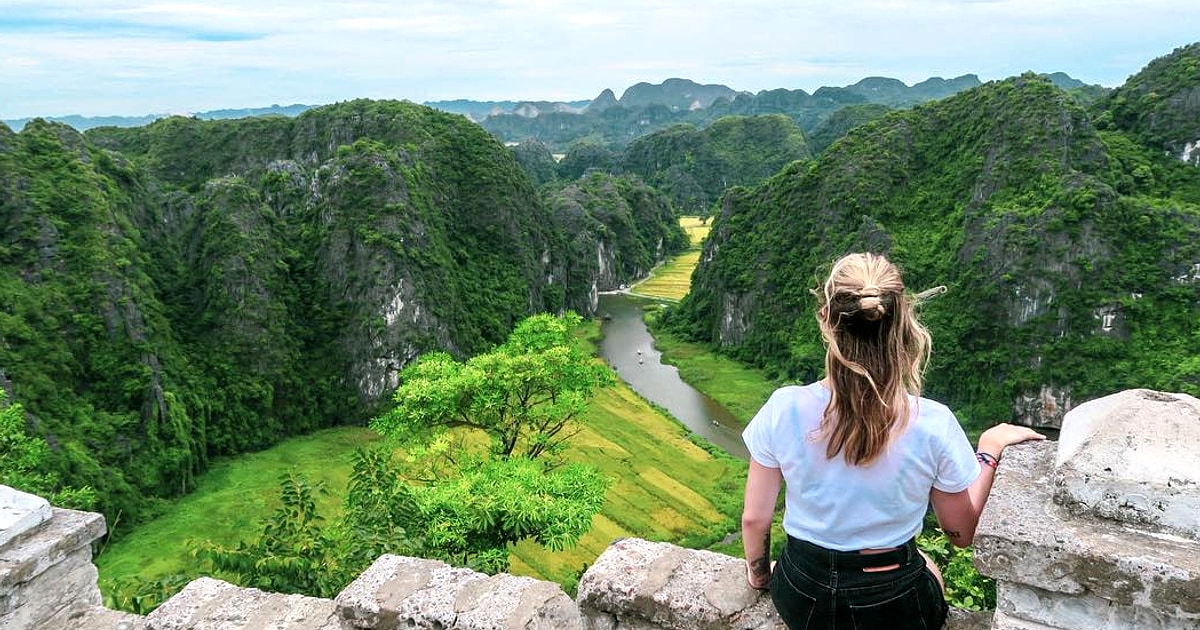
Why Ninh Binh is a worth considering in 2026
In April 2026, the Vietnamese government approved Decision 705/QD-TTg for preservation of the Trang An – Tam Coc – Bich Dong National Scenic Landscape, cementing Ninh Binh’s status as a protected cultural treasure. For more information, visit Ninh Binh province.
Frequently Asked Questions
A Brief History: From Imperial Capital to UNESCO Heritage
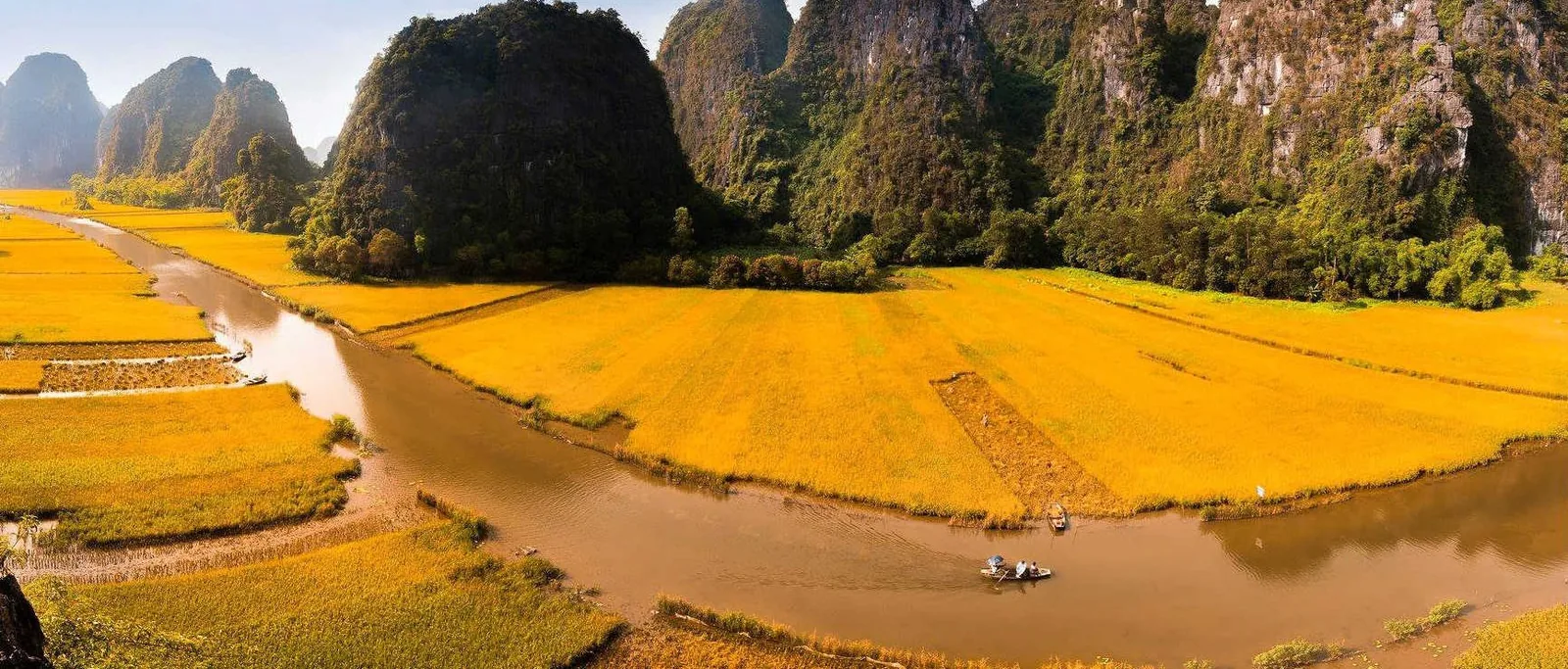
Ninh Binh’s historical significance is frequently underestimated by visitors who arrive expecting nothing more than scenic boat rides. The province served as the imperial capital of Dai Co Viet from 968 to 1010 AD — a period during which the Dinh and Early Le dynasties consolidated the first unified Vietnamese state after centuries of Chinese domination. Dinh Bo Linh chose this location with considerable strategic intelligence: the surrounding karst towers formed a natural fortress, with narrow passes serving as defensive chokepoints that made the capital virtually impregnable.
| Period | Significance | Key Site Today |
|---|---|---|
| 30,000 BC | Earliest human habitation (cave evidence) | Trang An caves |
| 968–979 AD | Dinh Dynasty — first unified Vietnamese capital | Hoa Lu temples |
| 980–1009 AD | Early Le Dynasty — second capital period | Hoa Lu temples |
| 1010 AD | Capital moves to Thang Long (Hanoi) | — |
| 1962 | Cuc Phuong becomes Vietnam’s first national park | Cuc Phuong NP |
| 2014 | Trang An receives UNESCO World Heritage status | Trang An complex |
Budget Planning: What Ninh Binh Actually Costs
One of Ninh Binh’s more agreeable qualities is its relative affordability compared to other major Vietnamese tourism destinations. The following daily budget estimates are based on my observations during multiple extended visits between 2019 and 2026:
| Category | Budget ($15-25/day) | Mid-Range ($35-60/day) | Comfort ($80-150/day) |
|---|---|---|---|
| Accommodation | $6-10 (homestay dorm/basic) | $15-30 (private room, garden view) | $40-80 (boutique/resort) |
| Meals (3/day) | $5-8 (local restaurants) | $10-15 (mixed local/tourist) | $15-30 (hotel dining) |
| Activities | $4-7 (1 boat tour + cycling) | $10-15 (2 attractions + guide) | $25-40 (private tours) |
The most significant variable in budget planning is transportation from Hanoi. A public bus costs approximately $3-4 (one way), while a private car transfer runs $35-50. The train, at $6-8, offers a characterful middle ground — the route follows the Reunification Express line through some of the most historically significant terrain in northern Vietnam.
When to Visit: A Seasonal Analysis
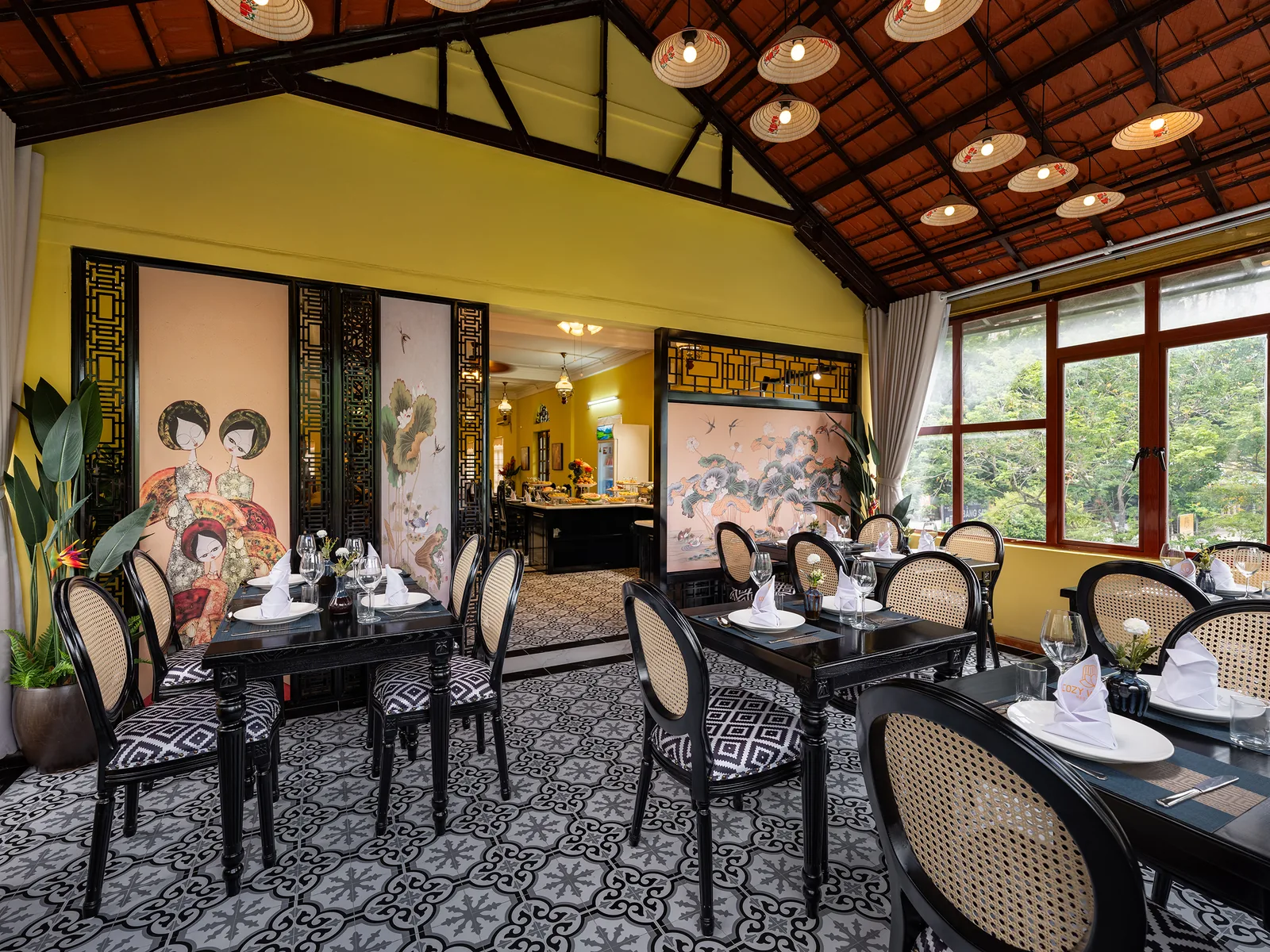
The question of timing in Ninh Binh is rather more nuanced than most travel guides suggest. Each season presents a distinctly different landscape character:
February–April (Spring): The rice paddies glow an extraordinary emerald green. Temple festivals, including the Hoa Lu Festival (March, lunar calendar), offer cultural depth. Temperatures are moderate (18-25°C) but rainfall can be unpredictable.
May–June (Early Summer): The celebrated “golden rice” season. Late May through early June produces the iconic amber paddy fields that have become synonymous with Ninh Binh photography. This is peak season — expect crowds at Tam Coc and Mua Cave.
July–September (Monsoon): Heavy rainfall transforms the landscape. While some find this inconvenient, the flooded fields create dramatic reflections, and the waterfalls within Trang An reach their most impressive volumes. Significantly fewer tourists.
October–January (Autumn/Winter): Post-harvest golden stubble fields, excellent visibility, and the most comfortable temperatures for climbing Mua Cave. December and January can be surprisingly cold (8-12°C), particularly at altitude.
Getting Around: Transport Within Ninh Binh
For the most up-to-date schedules and online booking, find current schedules on 12Go.
The most satisfying method of exploring Ninh Binh is by bicycle. The principal routes follow karst valley floors along elevated bund roads between paddy fields — flat, well-surfaced, and offering perspectives that are simply unavailable from tour buses. Most homestays provide bicycles free of charge, and electric bicycle rental (approximately 150,000 VND per day) eliminates any concerns about fitness.
For longer distances — particularly to Cuc Phuong National Park (45 kilometres) or Van Long Nature Reserve (25 kilometres) — motorbike rental ($6-8 per day) or private car hire ($30-40 per day) becomes necessary. Grab is available in Ninh Binh city but coverage becomes unreliable in rural areas around Tam Coc and Trang An.
Essential Experiences: What Not to Miss
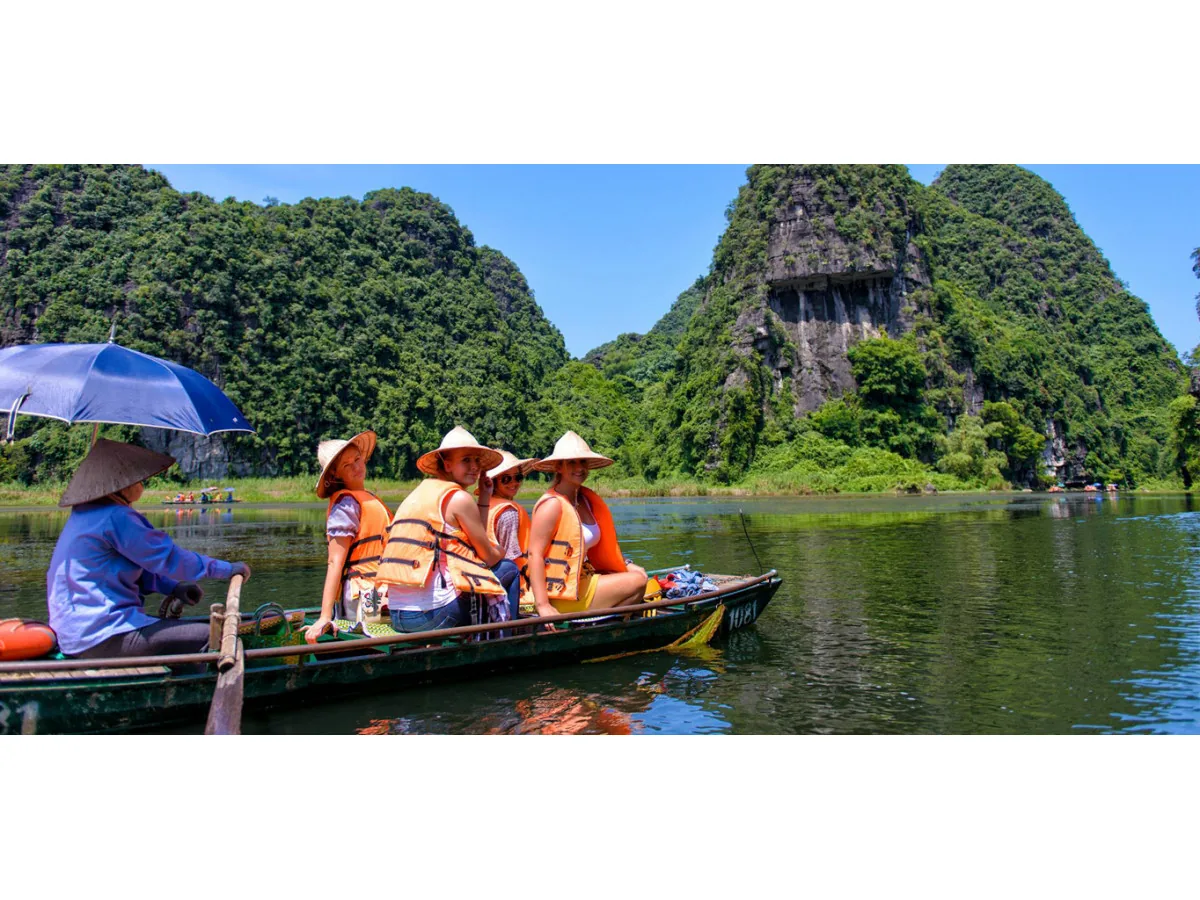
Having visited Ninh Binh on seven separate occasions, I would suggest the following as genuinely essential experiences — distinct from the merely pleasant or the overly touristic:
1. Trang An Boat Tour (Route 2 or 3): The UNESCO-listed complex offers three routes; Route 1 is the most crowded. Routes 2 and 3 pass through longer caves and quieter waterways. Budget 2.5 to 3 hours. The experience of gliding through limestone passages where Neolithic tools have been recovered at water level — one is, quite literally, floating through prehistory — remains genuinely moving regardless of how many times one repeats it.
2. Sunrise at Mua Cave: Arrive before 06:00. The 486-step climb takes 15-25 minutes depending on fitness and philosophical disposition. The summit panorama of the Tam Coc valley is the single finest viewpoint in northern Vietnam — I state this with the confidence of someone who has climbed comparable viewpoints across fourteen Asian countries.
3. De Nui (Mountain Goat) Dinner: The animals forage freely on the limestone karsts, producing a distinctively lean, herbaceous meat prepared in seven traditional methods. Seek out restaurants along the road between Tam Coc and Hoa Lu — the family establishments with plastic chairs and no English menus invariably serve the most authentic preparations.
4. Cycling the Tam Coc–Bich Dong Loop: An approximately 12-kilometre circuit through rice paddies, past Bich Dong Pagoda, and along the base of karst formations. The route is flat, well-surfaced, and best completed in the morning when the light is sympathetic and the temperature bearable. Free bicycles from most homestays make this the most economical activity in the province.
5. Cuc Phuong National Park: Vietnam’s first national park (established 1962) contains a 1,000-year-old tree, the Endangered Primate Rescue Centre, and cave evidence of human habitation dating to approximately 7,500 BC. The 45-kilometre journey from Tam Coc requires a full day and private transport, but the botanical and zoological interest justifies the effort considerably.
📚 Dr. Whitford Notes: Ninh Bình Province encompasses approximately 1,400 square kilometres — modest by Vietnamese standards — yet contains within its borders a UNESCO World Heritage Site, a former imperial capital, three nationally significant pagoda complexes, and a 22,000-hectare national park. This extraordinary concentration of cultural and natural heritage within such a compact area is, I would argue, unmatched anywhere in mainland Southeast Asia. The province’s proximity to Hanoi (95 km) has been both its salvation and its challenge: accessible enough to attract visitors, yet too close to retain them overnight.
What is the best time to visit The Ultimate Ninh Binh?
The best time is from October to April when the weather is dry and cool. September-October offers golden rice paddies in Tam Coc.
How many days do I need in Ninh Binh?
Most visitors spend 2-3 days. One day for Trang An + Bai Dinh, one for Tam Coc + Mua Cave, and optionally one for Cuc Phuong or Van Long.
Historical Context That Changes Your Visit
One notes, with some frequency, that visitors to the ultimate ninh binh travel guide 2026 tend to arrive with remarkably little historical context (a phenomenon not unique to this particular destination, it should be said). What follows is a necessarily condensed account of why this place matters beyond its photographic appeal.
Ninh Binh province served as Vietnam’s first imperial capital from 968 to 1009 AD — a period of extraordinary political consolidation following a millennium of Chinese rule. The Dinh and Early Le dynasties governed from Hoa Lu, nestled within the very karst formations that now attract tourists with selfie sticks rather than scholarly ambitions. The geography was, in fact, chosen for defensive purposes: the limestone mountains formed a natural fortress that proved rather more effective than any wall the Chinese had built.
The limestone karst landscape itself predates human history by approximately 250 million years (give or take a geological epoch). These formations are the remnants of an ancient seabed, compressed and sculpted by tectonic forces and subsequent erosion. It is rather humbling to consider that the cliffs you are photographing were once the floor of a tropical ocean.
📚 Historical Note: Tour guides will frequently cite various dates and dynasties with admirable confidence and variable accuracy. The essential fact is this: Hoa Lu was the capital of Dai Co Viet (the precursor to modern Vietnam) for precisely 41 years, from 968 under Dinh Bo Linh to 1009 when Ly Thai To moved the capital to Thang Long (modern Hanoi). The reasons for the move were pragmatic rather than aesthetic — Thang Long offered better river access for trade.
Practical Matters (Which Are, Regrettably, Necessary)
The business of actually visiting the ultimate ninh binh travel guide 2026 requires rather more planning than the average travel blog suggests. One does not simply “pop over” from Hanoi, despite what certain influencers would have you believe (though, to be fair, it is considerably more accessible than it was during my first visit in 2019, when the road quality could charitably be described as “developmental”).
| Transport | Duration | Cost | Commentary |
|---|---|---|---|
| Limousine bus | 2-2.5 hours | $5-8 | The sensible option (adequate WiFi, functioning air conditioning) |
| Train | 2.5-3 hours | $3-6 | More atmospheric, less reliable (scheduling, that is, not the trains themselves) |
| Private car | 2 hours | $40-60 | The comfortable choice, particularly if travelling with luggage or companions of limited patience |
| Motorbike | 2.5 hours | $5 fuel | Scenic but inadvisable in rain (which, in Ninh Binh, is not an infrequent occurrence) |
Upon arrival, one finds that the most effective mode of transport is the bicycle. The terrain is, mercifully, flat — a geological gift from the ancient river system that carved these valleys. Bicycle rental is universally available at approximately 50,000 VND per day, which even the most cost-conscious historian would consider reasonable.
Costs and Expenditures — A Realistic Assessment
It would be remiss not to address the financial aspects of visiting the ultimate ninh binh travel guide 2026, particularly as several online resources provide figures that are, to put it diplomatically, no longer current.
| Category | Budget | Mid-Range | Comfort |
|---|---|---|---|
| Accommodation | $6-10 (homestay) | $18-35 (hotel) | $55-120 (resort) |
| Meals (per day) | $4-7 | $10-20 | $25-50 |
| Boat rides | $3-5 (Tam Coc) | $6-8 (Trang An) | $15-20 (private) |
| Temple entry | $1-3 | $1-3 | $1-3 (no VIP option exists) |
| Daily total | $14-25 | $35-66 | $96-193 |
One notes with satisfaction that Ninh Binh remains considerably less expensive than its more famous neighbours. The local economy has not yet been entirely recalibrated for international tourism, which means that a rather comfortable visit is achievable on what most Europeans would consider pocket money.
The karst landscape of Ninh Binh is, in the final analysis, one of those rare places where geological history, human history, and natural beauty converge in a manner that justifies the journey. It is not, perhaps, the most comfortable destination in Vietnam, nor the most fashionable. But it is, in this historian’s considered assessment, among the most rewarding.
Further reading: Complete Ninh Binh Guide | Trang An Guide | Best Time to Visit
You might also enjoy: Ninh Binh Packing List 2026: What to Bring for Boats, Caves & Cycling
You might also enjoy: Luxury Ninh Binh 2026: Premium Resorts, Private Tours & VIP Experiences
You might also enjoy: Ninh Binh WiFi & Connectivity 2026: Stay Connected in Tam Coc
📚 Dr. Whitford’s Note: The tendency to treat Ninh Binh as a day trip from Hanoi reflects, I suspect, a fundamental misunderstanding of what the province offers. This is not a single attraction but an archaeological landscape spanning 30,000 years.
Further Reading
— Dr. James Whitford, Heritage Studies | University of Melbourne
— J. Whitford, PhD
📍 Explore more: best time to visit Ninh Binh →
🏛️ Explore Ninh Binh with Expert Guides — Book a private Ninh Binh tour with knowledgeable local guides who bring the UNESCO heritage to life. All-inclusive day trips from Hanoi starting at $45/person.
free cancellation on Booking.com
Frequently Asked Questions
Is Ninh Binh worth visiting?
Absolutely. Ninh Binh is consistently rated among Vietnam’s most rewarding destinations, combining UNESCO-listed karst landscapes, ancient temples, and rural tranquility that most visitors find more authentic than Ha Long Bay. Two to three days is enough to cover the highlights without rushing.
How many days do you need in Ninh Binh?
Two full days cover the core sights: Trang An boat tour, Mua Cave climb, and Tam Coc exploration. A 3-day stay is ideal if you want to add Cuc Phuong National Park, Bai Dinh Pagoda, or cycling through the rice paddies at a comfortable pace.
What is the best time to visit Ninh Binh?
The ideal months are October to December for comfortable weather and golden rice fields, or March to May for spring wildflowers and warm temperatures. Late May to early June offers the famous golden harvest season in Tam Coc. Avoid August to October when heavy rain can disrupt boat tours.
How much does a Ninh Binh trip cost?
Budget travelers can explore Ninh Binh for 15 to 25 USD per day including accommodation, meals, and entrance fees. Mid-range travelers should expect 50 to 80 USD per day with a comfortable hotel and private transport. The Trang An boat tour costs 250,000 VND (about 10 USD) and Mua Cave entrance is 100,000 VND (4 USD).
Is Ninh Binh the same as Ha Long Bay on land?
Ninh Binh is often called the ‘Ha Long Bay on land’ because both feature dramatic limestone karst formations. However, Ninh Binh offers a completely different experience: freshwater rivers instead of sea, ancient temples, rice paddies, and cycling through rural Vietnamese countryside. Many travelers find Ninh Binh more intimate and less commercialized than Ha Long Bay.