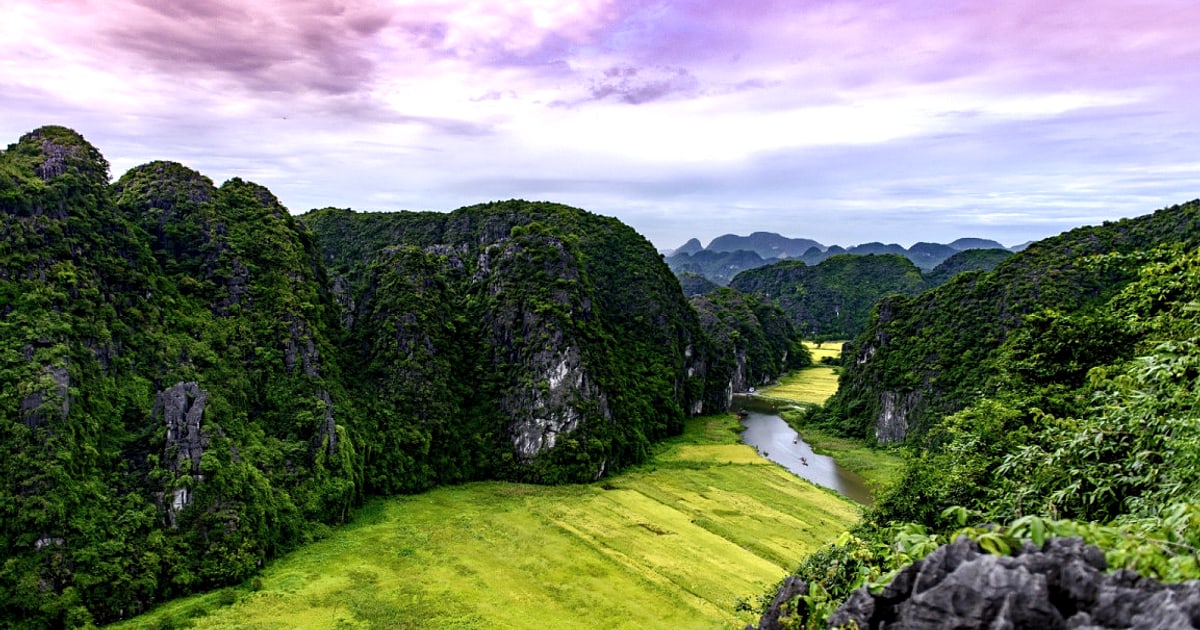
Best Time to Visit Ninh Binh 2026: Month-by-Month Weather, Events & Rice Season Guide
For centuries, the rhythms of the Vietnamese agricultural calendar have shaped life in the Red River Delta—and few provinces reveal this seasonal choreography as vividly as Ninh Binh. Determining the best time to visit Ninh Binh requires more than checking a weather forecast; it demands an understanding of monsoon patterns, rice cultivation cycles, and the ancient festival calendar that has governed this landscape since the Đinh and Lý dynasties established their capitals here over a millennium ago. Drawing on meteorological data from Vietnam’s National Centre for Hydro-Meteorological Forecasting and field observations spanning multiple growing seasons, this guide provides a rigorous, month-by-month analysis of climate conditions, crowd densities, photographic opportunities, and cultural events—equipping travellers with the empirical foundation needed to plan the optimal Ninh Binh itinerary for 2026.
As detailed in our comprehensive Ninh Binh travel guide for 2026, this UNESCO-adjacent karst landscape offers profoundly different experiences depending on when you arrive. The emerald paddies of spring, the golden tapestry of early summer, the harvest atmosphere of autumn, and the quiet solitude of winter each present distinct advantages. Below, I synthesise climate data, agricultural timelines, and cultural programming into actionable seasonal intelligence.
Best Time to Visit Ninh Binh: Complete Month-by-Month Overview
The following table consolidates twelve months of climatic and experiential data for Ninh Binh province. Temperature ranges reflect historical averages from 2018–2025, while crowd indices are derived from tourism arrival statistics published by the Ninh Binh Department of Tourism. Rice stage information follows the standard vụ chiêm (spring crop) and vụ mùa (autumn crop) dual-harvest cycle characteristic of the northern Vietnamese lowlands.
The data from official visitor information suggests visitor numbers have increased substantially in the past decade.
| Month | Avg Temp (°C) | Rainfall (mm) | Crowd Level | Rice Stage | Key Events | Rating |
|---|---|---|---|---|---|---|
| January | 16–20 | 18 | Low | Dormant / Preparation | Tết Nguyên Đán (late Jan/Feb) | ⭐⭐⭐ |
| February | 17–21 | 25 | Medium | Spring planting begins | Tết celebrations, Bái Đính Festival | ⭐⭐⭐⭐ |
| March | 20–24 | 40 | Medium | Young green shoots | Tràng An Festival (April overlap) | ⭐⭐⭐⭐ |
| April | 23–28 | 80 | Medium-High | Lush green paddies | Tràng An Festival, Hoa Lư Festival | ⭐⭐⭐⭐⭐ |
| May | 26–32 | 160 | High | Golden rice ripening | Peak photography season | ⭐⭐⭐⭐⭐ |
| June | 28–34 | 220 | High | Golden rice → Harvest | Early summer harvest | ⭐⭐⭐⭐ |
| July | 28–34 | 250 | Medium-High | Harvest complete / Replanting | Domestic tourism peak | ⭐⭐⭐ |
| August | 27–33 | 280 | Medium | Autumn crop growing | Monsoon intensity peak | ⭐⭐⭐ |
| September | 26–31 | 240 | Medium | Maturing autumn crop | Mid-Autumn Festival | ⭐⭐⭐⭐ |
| October | 23–28 | 130 | Medium | Second golden rice | Autumn harvest photography | ⭐⭐⭐⭐⭐ |
| November | 20–26 | 50 | Low-Medium | Post-harvest stubble | Ideal hiking weather | ⭐⭐⭐⭐ |
| December | 17–22 | 20 | Low | Dormant fields | Cool-season solitude | ⭐⭐⭐ |
Data synthesised from Vietnam Meteorological and Hydrological Administration records (2018–2025) and Ninh Binh provincial tourism statistics.
Spring in Ninh Binh (February–April): New Growth and Ancient Festivals
Spring represents, in many respects, Ninh Binh’s most culturally significant season. The period following Tết Nguyên Đán sees the province awaken with both agricultural activity and religious observance—a pairing that has defined this landscape since the Đinh dynasty first unified Vietnam from Hoa Lư in 968 CE. If you are evaluating the best time to visit Ninh Binh for cultural immersion, the spring months warrant serious consideration.
February: Post-Tết Renewal
February temperatures hover between 17°C and 21°C, comfortable for outdoor exploration but occasionally punctuated by the drizzly mưa phùn (light rain mist) characteristic of northern Vietnam’s transitional period. The spring rice crop (vụ chiêm) is planted in irrigated paddies, transforming the valley floors into shimmering mirrors of water. For photographers, this is an underrated window—the reflective surfaces create dramatic compositions when framed against the karst towers of Tam Cốc and Tràng An.
The Bái Đính Pagoda hosts its annual spring festival throughout February and into March, drawing tens of thousands of domestic pilgrims to Southeast Asia’s largest Buddhist complex. The spectacle of incense smoke spiralling between 500 Arhat statues against misty karst backdrops is unmatched at any other time of year.
March–April: The Green Carpet Unfurls
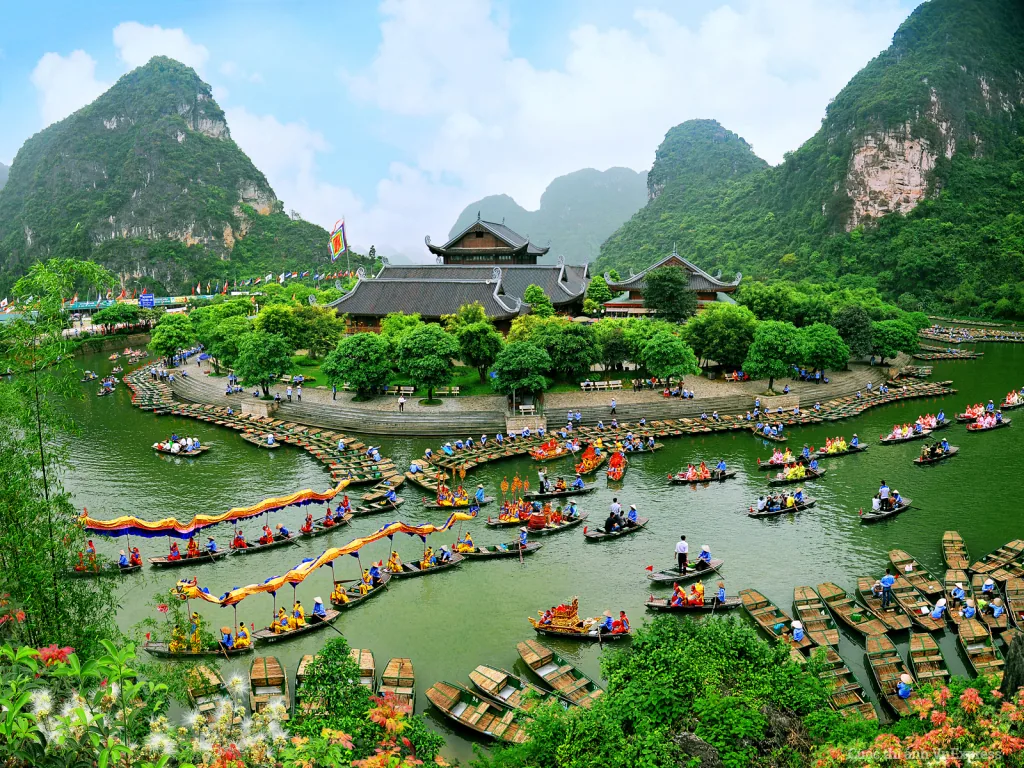
By mid-March, the transplanted rice seedlings have established themselves, creating a vibrant emerald carpet across the valley. Temperatures rise to a pleasant 20–28°C range, and the frequency of mưa phùn diminishes. April is particularly compelling: the Tràng An Festival (typically held in the third lunar month, corresponding to late March or April in the Gregorian calendar) celebrates the region’s UNESCO World Heritage inscription with boat processions, traditional music performances, and ceremonial re-enactments of the Đinh dynasty’s military victories.
The Hoa Lư Ancient Capital also hosts the Hoa Lư Festival during this period, commemorating Emperor Đinh Tiên Hoàng and Emperor Lê Đại Hành with elaborate ritual ceremonies. These festivals offer rare opportunities to witness living Vietnamese heritage traditions within their original geographic context—a distinction that separates Ninh Binh from purely recreational destinations. Our 2-day Ninh Binh itinerary provides a practical framework for combining festival attendance with scenic exploration.
Summer in Ninh Binh (May–August): Golden Rice and Monsoon Drama
Summer divides neatly into two distinct sub-periods: the glorious golden rice window of May–June and the challenging monsoon intensity of July–August. Understanding this internal division is critical for trip planning, as the experiential difference between early and late summer is profound.
May–June: The Iconic Golden Rice Season
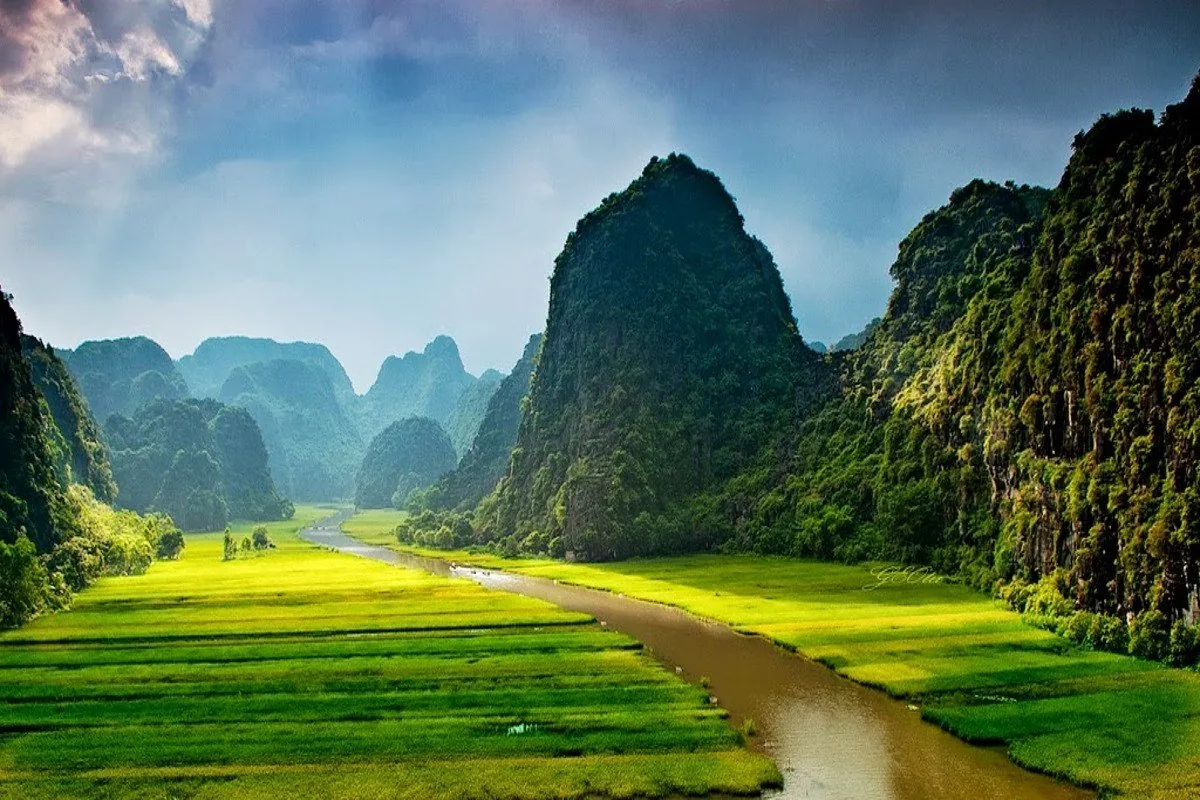
The period from late May through mid-June is, for many travellers, the definitive answer to when is the best time to visit Ninh Binh. The spring rice crop reaches maturity, and the paddies transform from green to a luminous gold that saturates the entire valley floor. This is the landscape immortalised in Vietnam’s tourism marketing—the image of a small wooden sampan gliding through golden rice fields beneath towering limestone pinnacles.
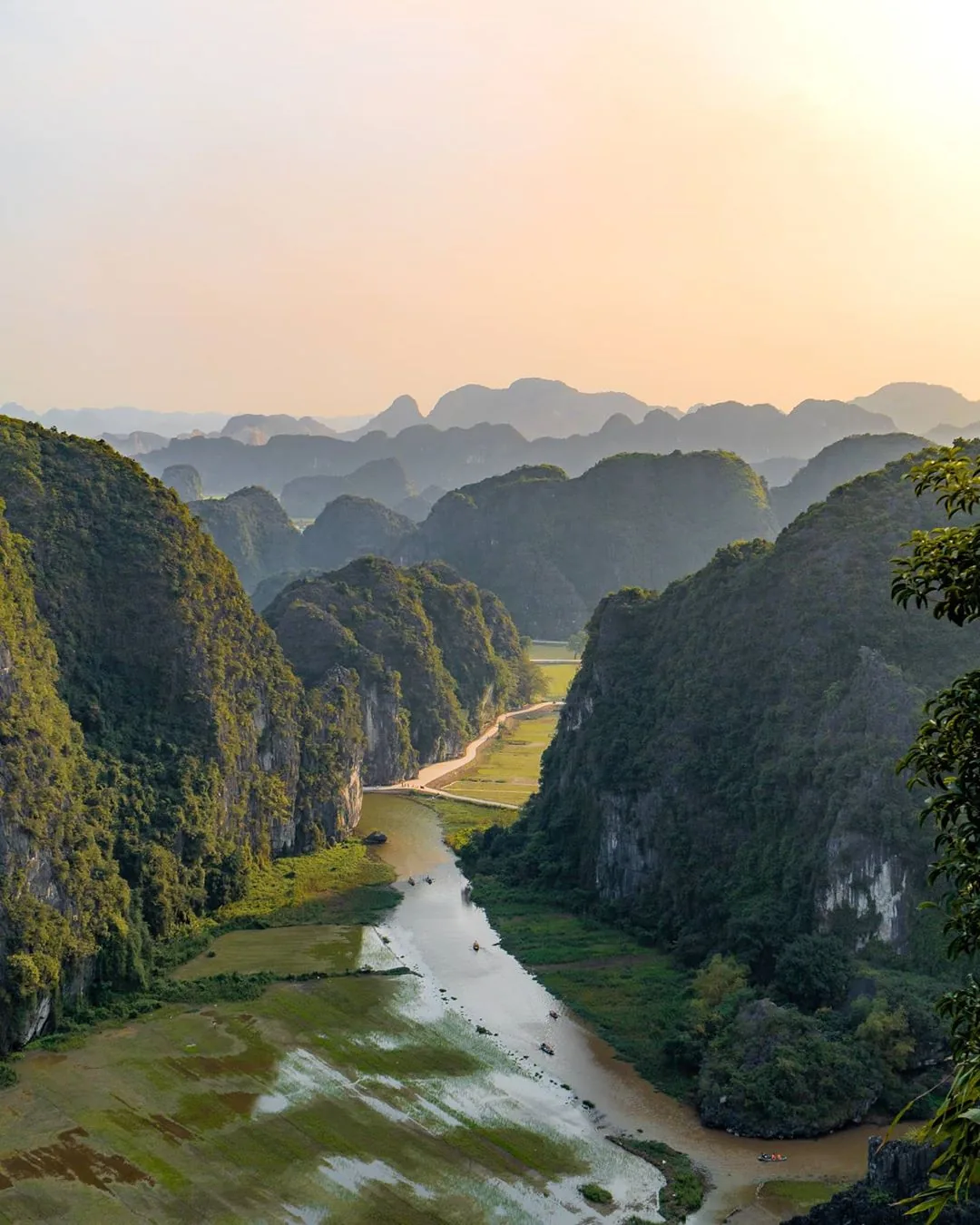
The photographic conditions during this window are exceptional. As documented in our Ninh Binh photography guide, the golden hour light combined with ripe rice creates a warm, saturated palette that requires minimal post-processing. The most coveted vantage point is from Mùa Cave (Hang Múa), where the 500-step climb to the dragon-spine viewpoint rewards photographers with panoramic views over the Tam Cốc valley during the golden rice period.
However, May and June also bring escalating heat (26–34°C) and increasing humidity. Afternoon thunderstorms become frequent by late May, though they typically pass within an hour. Visitor density peaks during this period, particularly on weekends. Travellers seeking the golden rice experience with fewer crowds should consider weekday visits and early morning boat tours along Tam Cốc’s Ngô Đồng River.
July–August: Monsoon Challenges
July and August represent Ninh Binh’s most climatically challenging months. Rainfall reaches 250–280mm monthly, temperatures remain high, and humidity levels can feel oppressive. The spring rice harvest has concluded, and the newly planted autumn crop is still in its juvenile green phase—visually less dramatic than either the spring greens or autumn golds.
That said, the monsoon season offers its own form of beauty. The karst mountains appear more dramatic when wreathed in low clouds, the waterways swell to their most navigable levels, and the lush vegetation reaches peak intensity. Cúc Phương National Park, Ninh Binh’s premier biodiversity reserve, is at its most ecologically dynamic during the wet months, with butterfly populations peaking in late summer.
Flash flooding is a legitimate concern during July–August. The Ninh Binh Department of Tourism occasionally issues advisories affecting boat tours at Tràng An and Tam Cốc during heavy rainfall events. Our Ninh Binh safety guide provides specific protocols for monsoon-season travel, including real-time information sources and contingency planning strategies.
Autumn in Ninh Binh (September–November): The Photographer’s Season
If spring is Ninh Binh’s cultural high point and early summer its most photogenic cliché, autumn is arguably the province’s best-kept secret. The convergence of comfortable temperatures, diminishing rainfall, a second golden rice crop, and thinner crowds creates what I would characterise as the optimal overall travel window for most visitors.
September: The Transition
September occupies an intermediate position. Monsoon rainfall begins to taper (though 240mm remains substantial), temperatures ease to a more tolerable 26–31°C range, and the autumn rice crop (vụ mùa) approaches maturity. The Mid-Autumn Festival (Tết Trung Thu) brings a festive atmosphere to the province, with lantern-lit celebrations in Ninh Binh City and surrounding villages. This is an excellent month for experiencing local culture without the peak-season intensity that characterises spring festivals.
October: The Second Golden Window
October may be the single best month of the year for visiting Ninh Binh. The autumn rice crop ripens to gold, creating a reprise of the May–June spectacle but with markedly fewer visitors. Temperatures settle into an agreeable 23–28°C range, rainfall drops to approximately 130mm (concentrated in brief afternoon showers), and the atmospheric clarity improves dramatically. The golden light of October afternoons, filtered through clearing skies, produces photographic results that many professionals argue surpass even the spring harvest period.
The Vân Long Wetland Nature Reserve is particularly rewarding in October. The endemic Delacour’s langur (Trachypithecus delacouri), one of the world’s 25 most endangered primates, is more active and visible during the cooler autumn mornings. Our birdwatching guide details the migratory species that arrive in northern Vietnam’s wetlands during October–November, adding an ornithological dimension to the landscape experience.
November: Cool Comfort and Harvest Atmosphere
By November, the autumn harvest is largely complete, leaving the fields in a post-harvest state that carries its own rustic beauty—golden stubble, stacked rice bundles, and the earthy fragrance of freshly threshed grain. Temperatures drop to 20–26°C, rainfall diminishes to approximately 50mm, and the crowds thin further. This is an ideal month for cycling through the countryside or exploring Ninh Binh’s hiking trails, as the cool, dry conditions make sustained outdoor activity genuinely comfortable.
Winter in Ninh Binh (December–January): Quiet Solitude
Winter is Ninh Binh’s quietest season—a period of dormancy for both the agricultural landscape and the tourism industry. Temperatures range from 16–22°C (occasionally dipping below 15°C during cold fronts from China), rainfall is minimal at 18–25mm monthly, and crowds are at their annual nadir.
The visual landscape is admittedly at its least dramatic during winter. The rice paddies lie fallow, the lotus ponds that adorn Thung Nham Bird Garden and other wetland areas are dormant, and the karst vegetation takes on a muted palette. However, winter offers compensating advantages: accommodation prices reach their lowest levels, popular sites like Tràng An and Tam Cốc can be experienced in near-solitude, and the cool temperatures are ideal for temple exploration and cave visits.
Budget-conscious travellers will find winter particularly advantageous. As detailed in our Ninh Binh budget guide for 2026, homestay and hotel rates during December–January can be 30–50% lower than peak-season pricing. Our homestay guide identifies properties that maintain high service standards year-round, ensuring that off-season savings do not come at the cost of experience quality.
For travellers coming from Hanoi, the winter months offer a particularly smooth logistics experience with fewer fellow passengers on the transfer route. Our Hanoi to Ninh Binh transport guide covers all current options and seasonal considerations.
The Golden Rice Season at Tam Cốc: A Special Focus
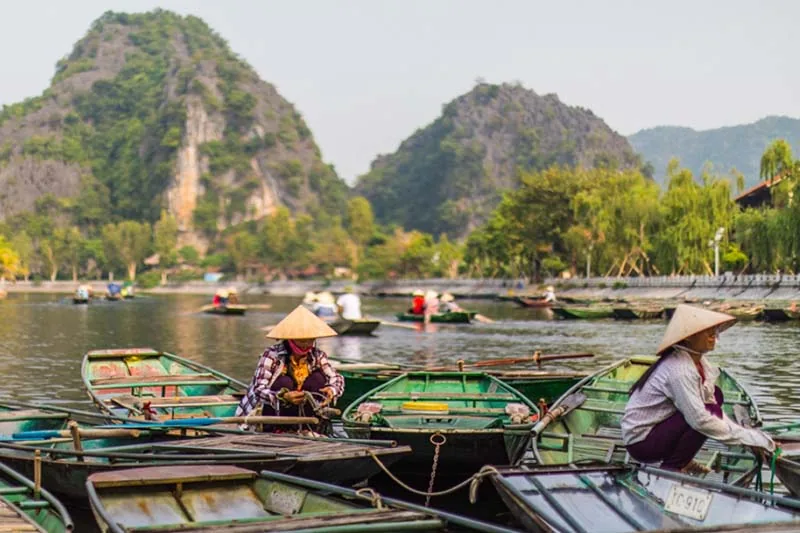
No discussion of the best time to visit Ninh Binh can be complete without a dedicated analysis of the golden rice season at Tam Cốc—the single most photographed landscape in the province and one of the most iconic images in all of Vietnamese tourism. The spectacle of the Ngô Đồng River winding through golden paddies, flanked by steep karst towers, and traversed by traditional sampans has achieved global recognition through social media and travel publications.
Timing the Golden Window
The precise timing of the golden rice period varies annually by one to three weeks, depending on planting dates, water availability, and temperature patterns. Based on historical analysis of the past eight seasons (2018–2025), the following generalisation holds:
- Spring crop (vụ chiêm): Golden phase typically occurs from late May to mid-June, with peak coloration around the first week of June.
- Autumn crop (vụ mùa): Golden phase typically occurs from late September to mid-October, with peak coloration around the first week of October.
The spring golden rice window is shorter (approximately 2–3 weeks) and more intensively visited. The autumn window is slightly longer (3–4 weeks) due to more gradual ripening conditions and attracts significantly fewer visitors—often 40–60% fewer according to sampan operator estimates.
Optimal Photography Conditions
For the definitive golden rice photograph, conditions align best during early morning (05:30–07:30) and late afternoon (16:00–18:00). The ascending viewpoint from Mùa Cave offers the classic aerial perspective, while boat-level compositions captured during kayaking excursions or sampan rides provide intimate foreground detail. Our sunrise and sunset guide pinpoints the exact timing and GPS coordinates for premium golden-hour vantage points throughout the province.
📜 Heritage Note:
The intimate relationship between Ninh Binh’s seasons and its political history is a subject worthy of scholarly attention. When Lý Thái Tổ relocated the capital from Hoa Lư to Thăng Long (modern Hanoi) in 1010 CE, one documented motivation was the challenging summer climate of the Ninh Binh basin—the same monsoon intensity that modern travellers navigate in July–August. The Lý dynasty’s court annals (Đại Việt sử ký toàn thư) record that flooding in the Hoa Lư valley repeatedly disrupted imperial governance, compelling the dynasty to seek higher, more controllable terrain. Thus, the very weather patterns that shape today’s tourism seasonality also shaped the political geography of medieval Vietnam—a continuity spanning over a millennium.
Ninh Binh Festival Calendar 2026
Ninh Binh’s festival calendar reflects the province’s unique position as both a major Buddhist centre and a former imperial capital. The following table summarises the principal cultural events relevant to 2026 travel planning. Lunar calendar conversions are approximate and should be confirmed closer to travel dates.
| Festival | Typical Timing (2026) | Location | Duration | Significance |
|---|---|---|---|---|
| Bái Đính Pagoda Festival | Late February – March | Bái Đính Pagoda Complex | ~3 months (6th day of 1st lunar month onward) | Largest Buddhist pilgrimage festival in northern Vietnam; prayer ceremonies, processions |
| Tràng An Festival | Late March – April | Tràng An Scenic Landscape Complex | 3–5 days | Celebrates UNESCO Heritage inscription; boat processions, cultural performances |
| Hoa Lư Festival | April (10th day of 3rd lunar month) | Hoa Lư Ancient Capital | 3 days | Honours Emperors Đinh Tiên Hoàng and Lê Đại Hành; ritual ceremonies, traditional games |
| Thái Vi Temple Festival | March–April (14th–17th of 3rd lunar month) | Thái Vi Temple, Tam Cốc area | 4 days | Commemorates the Trần dynasty generals; boat processions on Tam Cốc river |
| Mid-Autumn Festival (Tết Trung Thu) | September–October (15th of 8th lunar month) | Province-wide | 1–3 days | Lantern festivals, children’s celebrations, mooncake traditions |
| Cúc Phương Butterfly Season | April–May (peak) | Cúc Phương National Park | ~6 weeks | Mass emergence of tropical butterfly species; peak biodiversity viewing |
Festival dates are based on the Vietnamese lunar calendar and may shift by 1–3 weeks between Gregorian years. Confirm exact dates with local tourism authorities before travel.
Seasonal Pricing Comparison
Travel costs in Ninh Binh fluctuate meaningfully across seasons. The following comparative data provides indicative pricing for common travel components, enabling budget-conscious planning. All figures are in USD and reflect mid-range options. For a comprehensive cost analysis, consult our Ninh Binh budget guide.
| Expense Category | Peak Season (May–Jun, Apr) | Shoulder Season (Mar, Sep–Nov) | Low Season (Dec–Feb, Jul–Aug) |
|---|---|---|---|
| Mid-range hotel (per night) | $45–$75 | $30–$55 | $20–$40 |
| Homestay (per night) | $15–$25 | $10–$18 | $8–$14 |
| Tam Cốc boat tour | $7–$8 | $7–$8 | $7–$8 |
| Tràng An boat tour | $8–$10 | $8–$10 | $8–$10 |
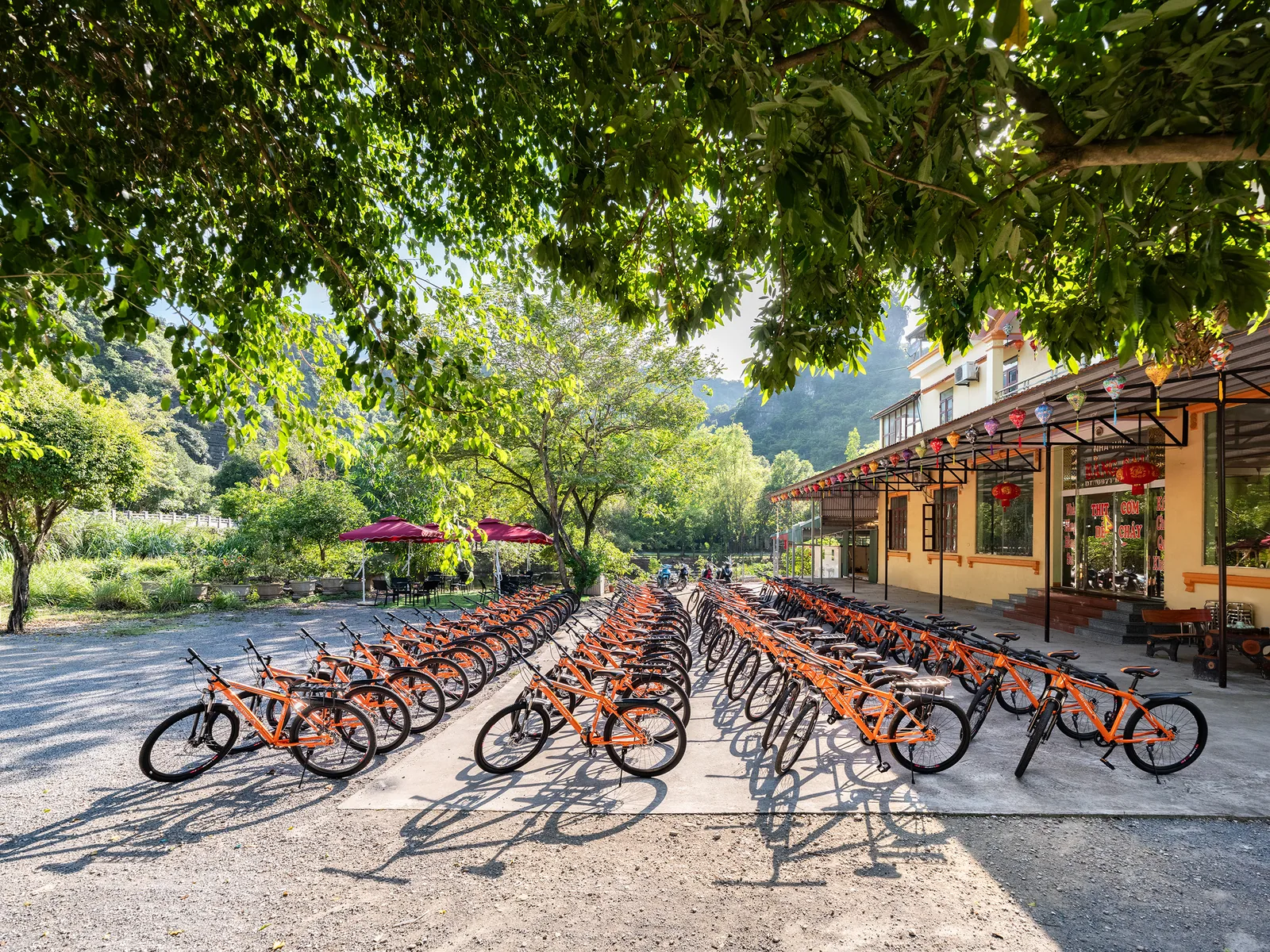
| Bicycle rental (per day) | $3–$5 | $2–$4 | $2–$3 |
| Guided day tour (per person) | $35–$60 | $25–$45 | $20–$35 |
| Local meals (per meal) | $3–$6 | $2–$5 | $2–$4 |
Prices reflect estimates as of Q1/2026, subject to change. Official attraction entrance fees (boat tours) are government-regulated and remain stable year-round; however, supplementary services may vary seasonally.
Plan Your Seasonal Ninh Binh Experience
Whether you are chasing the golden rice of May or the tranquil autumn harvest of October, a locally guided tour ensures you arrive at the right place, at the right moment. Cozy Vietnam Travel’s Ninh Binh specialists design itineraries aligned to the seasonal calendar—maximising your photographic and cultural opportunities.
What to Pack by Season
Ninh Binh’s seasonal variation demands thoughtful packing. For a comprehensive equipment list, see our Ninh Binh packing guide, but the following seasonal highlights deserve emphasis:
- Spring (Feb–Apr): Light layers for variable temperatures; a compact rain jacket for mưa phùn drizzle; comfortable walking shoes with adequate grip for damp temple steps at Bích Động Pagoda.
- Summer (May–Aug): Breathable, moisture-wicking fabrics; high-SPF sunscreen; insect repellent (essential for wetland areas); a waterproof bag for electronics during monsoon downpours.
- Autumn (Sep–Nov): Light long sleeves for cooler mornings; a versatile jacket for evening temperatures; photography equipment (this is prime shooting season).
- Winter (Dec–Jan): Warm layers including a fleece or light down jacket; temperatures can drop to 10–12°C during cold snaps; thermal base layers are recommended for early morning sunrise excursions.
Choosing Your Season: A Decision Framework
For travellers still deliberating on the best time to visit Ninh Binh, the following framework distils the analysis into actionable recommendations based on travel priorities. Whether you are travelling with family (see our family travel guide) or solo (see our solo travel guide), aligning your visit window with your priorities yields the strongest outcomes.
- For photography: Late May–early June (spring golden rice) or early October (autumn golden rice with fewer crowds)
- For cultural immersion: March–April (Tràng An Festival, Hoa Lư Festival, Bái Đính Pagoda Festival)
- For budget travel: December–January (lowest prices, fewest tourists)
- For comfortable weather: October–November (cool, dry, low humidity)
- For wildlife: April–May (butterfly season at Cúc Phương) or October–November (migratory birds at Vân Long)
- For overall balance: October — optimal convergence of weather, scenery, pricing, and crowd levels
Regardless of your chosen season, consulting the detailed best time to visit analysis alongside this guide ensures comprehensive preparation. And for those weighing Ninh Binh against alternative northern Vietnam destinations, our Ninh Binh vs Ha Long Bay comparison provides a rigorous side-by-side evaluation of seasonal conditions at both sites.
Frequently Asked Questions: Ninh Binh Seasonal Travel
What is the best time to visit Ninh Binh for golden rice photos?
The iconic golden rice fields at Tam Cốc are best photographed during two annual windows: late May through mid-June (spring crop harvest) and late September through mid-October (autumn crop harvest). The spring window is more widely known and attracts larger crowds, while the autumn window offers comparable photographic quality with 40–60% fewer visitors. Peak golden coloration typically occurs during the first week of June and the first week of October, though exact timing varies by one to three weeks annually depending on planting schedules and weather conditions.
Is Ninh Binh worth visiting during the rainy season (July–August)?
Ninh Binh remains visitable during July–August, though visitors should prepare for daily rainfall (250–280mm monthly), high humidity, and occasional flash flood advisories affecting boat tours. The karst scenery takes on a dramatic, cloud-shrouded character, and Cúc Phương National Park reaches peak ecological dynamism. Accommodation prices are lower, and popular sites are less crowded. However, the rice paddies are in a transitional phase (post-spring harvest, early autumn planting) and lack the visual impact of golden or deep green periods. Carry waterproof gear and maintain schedule flexibility.
How cold does Ninh Binh get in winter?
Winter temperatures in Ninh Binh typically range from 16–22°C during December–January, though cold fronts from China can push nighttime temperatures to 10–12°C for brief periods. Snow does not occur, but the combination of low temperatures and high humidity can make conditions feel colder than the thermometer suggests. Warm layers, including a fleece or light down jacket, are recommended. Winter offers the advantages of minimal rainfall (18–25mm monthly), very low crowd levels, and accommodation discounts of 30–50% compared to peak season pricing.
What festivals take place in Ninh Binh and when?
Ninh Binh’s major festivals are concentrated in spring. The Bái Đính Pagoda Festival runs from the sixth day of the first lunar month (typically late February) through the third lunar month, making it the longest religious observance in the region. The Tràng An Festival and Hoa Lư Festival both occur in the third lunar month (March–April), celebrating the UNESCO World Heritage inscription and the ancient Đinh dynasty capital respectively. The Thái Vi Temple Festival follows shortly after. In autumn, the Mid-Autumn Festival (Tết Trung Thu) in September–October brings lantern celebrations province-wide. All dates follow the Vietnamese lunar calendar and shift annually.
Can I combine Ninh Binh with a day trip from Hanoi in any season?
Yes, Ninh Binh is accessible as a day trip from Hanoi year-round, with the 90-kilometre journey taking approximately 2–2.5 hours by car or shuttle bus. However, the experience quality varies considerably by season. Spring and autumn offer the best combination of weather and scenery for a single-day visit. Summer day trips are feasible but can be uncomfortable in July–August heat. Winter day trips benefit from empty roads and uncrowded sites but offer less visual drama. For any season, an overnight stay is recommended to capture both sunrise and sunset light—particularly during the golden rice periods. See our Hanoi to Ninh Binh day trip guide for detailed seasonal logistics.
{
“@context”: “https://schema.org”,
“@type”: “FAQPage”,
“mainEntity”: [
{
“@type”: “Question”,
“name”: “What is the best time to visit Ninh Binh for golden rice photos?”,
“acceptedAnswer”: {
“@type”: “Answer”,
“text”: “The iconic golden rice fields at Tam Cốc are best photographed during two annual windows: late May through mid-June (spring crop harvest) and late September through mid-October (autumn crop harvest). The spring window is more widely known and attracts larger crowds, while the autumn window offers comparable photographic quality with 40–60% fewer visitors. Peak golden coloration typically occurs during the first week of June and the first week of October, though exact timing varies by one to three weeks annually depending on planting schedules and weather conditions.”
}
},
{
“@type”: “Question”,
“name”: “Is Ninh Binh worth visiting during the rainy season (July–August)?”,
“acceptedAnswer”: {
“@type”: “Answer”,
“text”: “Ninh Binh remains visitable during July–August, though visitors should prepare for daily rainfall (250–280mm monthly), high humidity, and occasional flash flood advisories affecting boat tours. The karst scenery takes on a dramatic, cloud-shrouded character, and Cúc Phương National Park reaches peak ecological dynamism. Accommodation prices are lower, and popular sites are less crowded. Carry waterproof gear and maintain schedule flexibility.”
}
},
{
“@type”: “Question”,
“name”: “How cold does Ninh Binh get in winter?”,
“acceptedAnswer”: {
“@type”: “Answer”,
“text”: “Winter temperatures in Ninh Binh typically range from 16–22°C during December–January, though cold fronts from China can push nighttime temperatures to 10–12°C for brief periods. Snow does not occur, but the combination of low temperatures and high humidity can make conditions feel colder than the thermometer suggests. Warm layers, including a fleece or light down jacket, are recommended. Winter offers the advantages of minimal rainfall (18–25mm monthly), very low crowd levels, and accommodation discounts of 30–50% compared to peak season pricing.”
}
},
{
“@type”: “Question”,
“name”: “What festivals take place in Ninh Binh and when?”,
“acceptedAnswer”: {
“@type”: “Answer”,
“text”: “Ninh Binh’s major festivals are concentrated in spring. The Bái Đính Pagoda Festival runs from the sixth day of the first lunar month (typically late February) through the third lunar month. The Tràng An Festival and Hoa Lư Festival both occur in the third lunar month (March–April). The Thái Vi Temple Festival follows shortly after. In autumn, the Mid-Autumn Festival (Tết Trung Thu) in September–October brings lantern celebrations province-wide. All dates follow the Vietnamese lunar calendar and shift annually.”
}
},
{
“@type”: “Question”,
“name”: “Can I combine Ninh Binh with a day trip from Hanoi in any season?”,
“acceptedAnswer”: {
“@type”: “Answer”,
“text”: “Yes, Ninh Binh is accessible as a day trip from Hanoi year-round, with the 90-kilometre journey taking approximately 2–2.5 hours by car or shuttle bus. However, the experience quality varies considerably by season. Spring and autumn offer the best combination of weather and scenery for a single-day visit. For any season, an overnight stay is recommended to capture both sunrise and sunset light—particularly during the golden rice periods.”
}
}
]
}
Ready to Experience Ninh Binh at Its Best?
From golden rice photography tours to cultural festival itineraries, Cozy Vietnam Travel crafts season-specific Ninh Binh experiences backed by local expertise and flexible scheduling. Tell them your preferred travel month—they’ll design the rest.
All pricing and availability information reflects estimates as of Q1/2026, subject to change. Festival dates follow the Vietnamese lunar calendar and should be confirmed with local tourism authorities prior to travel. Climate data is based on historical averages and does not guarantee specific conditions during your visit.
Once you have chosen the ideal month for your visit, check available transport to Ninh Binh on 12Go to secure seats during peak season.