Ninh Binh Bus Station Guide: Location, Routes, Facilities & Tips
Navigating the local infrastructure requires a proper ninh binh bus station guide to avoid unnecessary confusion. Known locally as Ben Xe Ninh Binh, this transit hub serves as the primary artery connecting the province to the rest of the country. Many international visitors bypass this station entirely, opting for private limousines that offer door-to-door service. However, budget travelers and those heading to distant southern provinces rely heavily on these platforms. I have found that understanding the station’s layout greatly simplifies the process of independent travel.
The station itself operates with a distinct, chaotic energy typical of provincial transport hubs. My research expeditions often require me to utilize these long-distance sleeping buses to reach the central highland archives. Rather than feeling intimidated by the loud announcements and bustling crowds, you should view the station as a highly efficient logistical center. The ticket clerks manage hundreds of departures daily, moving thousands of workers, students, and tourists. I must note that arriving well-prepared with your destination written down prevents any miscommunication at the counters.
Quick Answer: Ninh Binh Bus Station Logistics
The Ninh Binh Bus Station is located at 207 Le Dai Hanh Street in the Thanh Binh Ward, roughly 2 kilometers from the city center. It opens daily from 5:30 AM to 6:00 PM for ticketing, though night buses depart much later.

The facility covers over 5,600 square meters and offers direct connections to Hanoi, Ha Long, Hue, and Da Nang. Standard tickets to Hanoi cost approximately $4 to $6 USD and depart every 30 minutes. The station provides basic seating, public restrooms, and small food kiosks. You cannot walk from the station to the primary tourist zones. You must hire a taxi to reach Tam Coc, which takes 15 minutes and costs roughly $4 USD. Securing your tickets from the official counters inside the building ensures you pay the regulated government price.
| Destination Route | Average Fare (USD) | Frequency | Vehicle Type |
|---|---|---|---|
| Hanoi (Giap Bat / My Dinh) | $4 – $6 | Every 30 minutes | Standard Seater |
| Ha Long (Bai Chay) | $10 – $12 | Every 2 hours | Standard / Sleeper |
| Hue / Da Nang | $15 – $22 | Evening departures | Sleeper Bus |
Station Location and Getting to Tam Coc
The physical location of Ben Xe Ninh Binh sits strategically near the main north-south highway intersection. It is positioned adjacent to the railway station, creating a centralized transport zone for the city.

Most tourists do not stay near the bus station. The area is heavily commercial, filled with mechanics, logistics offices, and wholesale markets. The vast majority of travelers book accommodation in the Tam Coc village area or near the Trang An Scenic Landscape Complex. Tam Coc is located approximately 7 kilometers southwest of the bus station. There is no public transit or shuttle service connecting the station to the tourist villages. You must rely on the local taxi fleet waiting directly outside the main gates.
When you exit the bus, aggressive drivers may approach you offering rides. Quite simply, you should ignore the touts and walk to the designated taxi rank. Reliable companies like Mai Linh or local electric taxis operate with strict meters. The meter fare to Tam Coc should rarely exceed 100,000 VND ($4 USD). The drive takes about 15 minutes through the city outskirts before reaching the rural limestone valleys. If your homestay is located deep down a narrow alley, the taxi will drop you at the closest accessible intersection.
- Located at 207 Le Dai Hanh Street near the railway station.
- Tam Coc is 7 kilometers away, requiring a 15-minute taxi ride.
- Always use metered taxis from the official rank outside the gates.
- Expect to pay around 100,000 VND ($4 USD) for the transfer.
Ticketing Counters and Booking Procedures
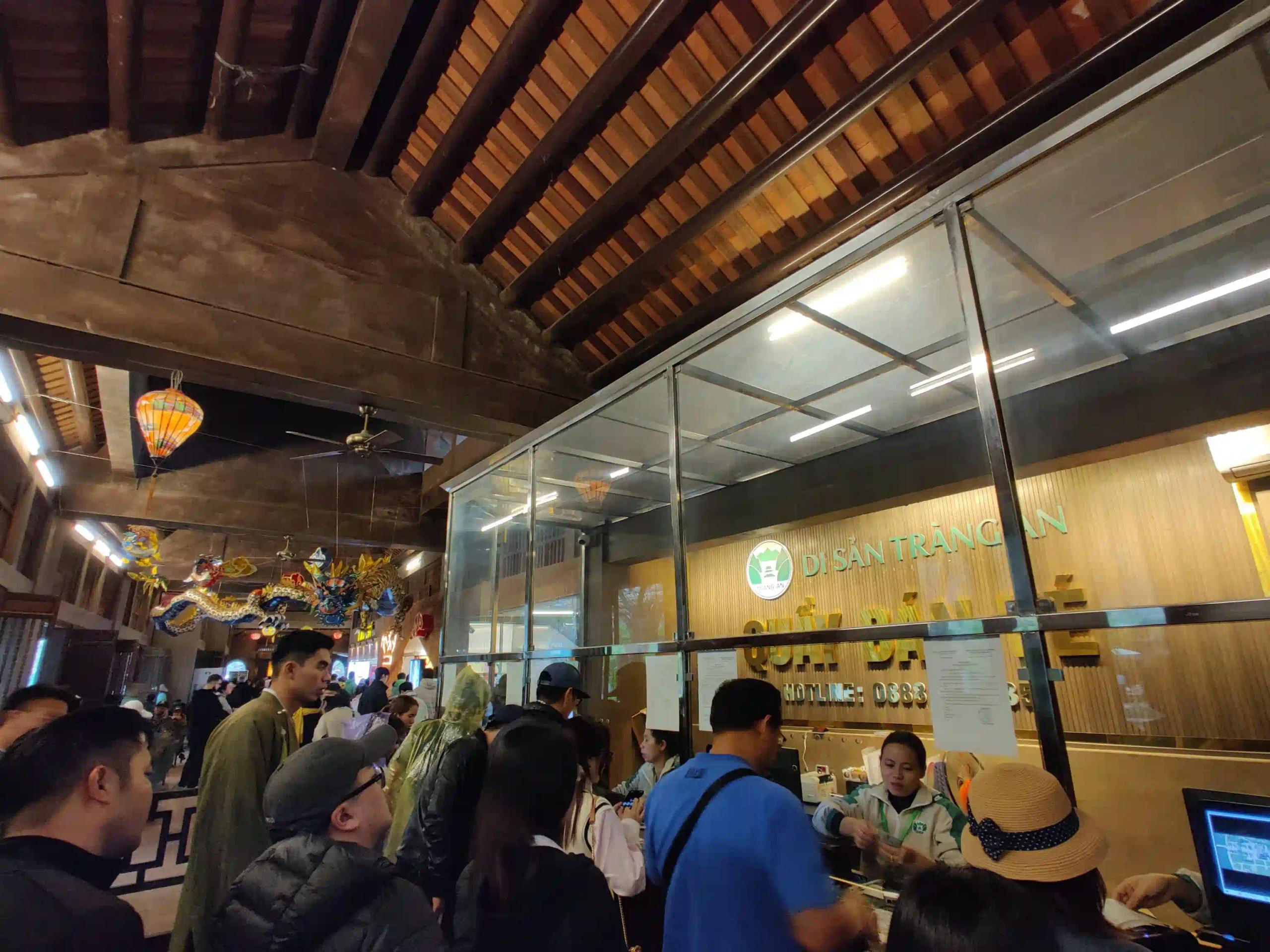
The interior of the station features a long row of ticket counters, each representing different transport companies. You must buy your ticket from the specific company operating your desired route.
The booking process can feel overwhelming due to the lack of English signage. The destinations are clearly printed above each window in Vietnamese. To purchase a ticket, write your destination, date, and preferred time on a piece of paper. Hand this to the clerk behind the glass. They will point to the available times on their ledger and write down the price. The prices are fixed and regulated, so there is no need to haggle at the official counters. Never buy a ticket from a random person loitering in the parking lot, as they will add a massive personal markup.
For popular northbound routes to the capital, you can simply show up and buy a ticket for the next departure. However, for long-distance southbound journeys to Hue or Da Nang, booking in advance is crucial. You can compare schedules and fares on 12Go to secure these sleeper tickets before arriving at the station. Digital tickets allow you to bypass the language barrier at the counters entirely. You simply show the booking confirmation on your phone to the station manager, who directs you to the correct vehicle.
Facilities and Waiting Areas
The infrastructure at Ben Xe Ninh Binh is entirely functional, designed for utility rather than comfort. The main hall features rows of metal seating where passengers wait for boarding announcements.
The waiting area is covered and offers protection from the monsoon rains, but only small sections are air-conditioned. During the summer, the hall relies on large industrial fans to circulate the humid air. There are public restrooms located at the far end of the terminal. You must pay a small fee of 3,000 VND to the attendant at the door. I strongly advise bringing your own tissue paper and hand sanitizer, as these are rarely provided. The station provides basic Wi-Fi, but the signal strength drops significantly when the hall fills with passengers.
Surrounding the waiting area, you will find several small kiosks selling snacks, bottled water, and instant noodles. If you require a proper meal, there are numerous local pho restaurants immediately across the street from the station entrance. These eateries cater to the drivers and offer excellent, inexpensive food. There is no official luggage storage facility within the station. You must keep your bags with you at all times while waiting. Maintain visual contact with your belongings, especially during the chaotic boarding procedures.
Key Routes: Hanoi, Ha Long, and the South
The most frequent route connects Ninh Binh to Hanoi. These standard 45-seat coaches depart every 30 minutes throughout the day, ending their journey at either Giap Bat or My Dinh stations.

This local service is incredibly cheap, but it stops frequently to pick up passengers along the old highway. Many tourists prefer the faster, more comfortable limousine services that offer hotel pickups. The second major route heads northeast toward the coast. If you are planning a transit, you can review my Ha Long Bay route guide. The station operates several daily departures to Bai Chay, utilizing a mix of standard coaches and sleeper buses for the 4-hour journey.
The station also serves as a critical pickup point for the massive overnight sleeper buses heading south. Routes to Hue, Da Nang, and Hoi An generally pass through Ninh Binh between 8:00 PM and 10:00 PM. These buses originate in Hanoi and stop briefly at the Ninh Binh station to collect boarded passengers. The sleeper buses feature three rows of bunk beds and offer a budget-friendly way to cover vast distances. 12Go offers advance booking with e-ticket confirmation for these crucial overnight journeys, ensuring you have a reserved bed.
- Hanoi buses depart every 30 minutes for Giap Bat or My Dinh.
- Ha Long coastal routes take approximately 4 hours.
- Overnight sleeper buses to Hue depart late in the evening.
- Long-distance buses originate in Hanoi and stop briefly.
Security and Travel Advice
Provincial bus stations require a heightened sense of situational awareness. While violent crime is virtually non-existent, opportunistic petty theft can occur in crowded boarding zones.
Keep your wallet, passport, and phone secured in a front pocket or a cross-body bag. Do not leave your luggage unattended while visiting the restroom or purchasing snacks. When boarding the bus, the driver’s assistant will store heavy suitcases in the underbelly cargo holds. Ensure you receive a luggage tag if one is provided. Always keep a small daypack with your valuables and electronics with you at your seat. The cargo holds are secure, but you will not have access to them until the bus reaches its final destination.
I must note that the station announcements are broadcast exclusively in Vietnamese. You will not hear English translations over the loudspeakers. To ensure you do not miss your departure, show your ticket to the staff lingering near the parking bays. They are highly adept at guiding foreign travelers to the correct license plate. Pay attention to the license plate number printed on your digital voucher, as multiple buses often depart for the same destination simultaneously.
Pre-Booking Tickets for Departures from Ninh Binh
While walk-up purchases work well for short routes to Hanoi, I have found that pre-booking is essential for longer journeys and holiday periods. Online platforms display real-time schedules and allow you to lock in a specific seat and departure time days in advance.
For the popular Ninh Binh to Hanoi corridor, you can browse Hanoi departure options on 12Go to select from multiple daily departures. Travelers continuing south toward central Vietnam can also reserve train tickets on 12Go for the overnight Reunification Express to Hue, which departs from the nearby railway station rather than the bus terminal.
Frequently Asked Questions
How do I get from Ninh Binh Bus Station to Tam Coc?
You must take a taxi from the official rank outside the station. The 7-kilometer drive takes 15 minutes and costs around 100,000 VND ($4 USD). There is no public bus to Tam Coc.
Can I buy tickets on the day of travel?
For short routes to Hanoi or Thanh Hoa, you can easily buy tickets on the spot. For overnight sleeper buses to Hue or Da Nang, you should book at least two days in advance.
Is there luggage storage at the bus station?
No, there are no official luggage lockers or storage facilities at Ben Xe Ninh Binh. You must keep your bags with you in the waiting area.
Are there restaurants inside the station?
The station only has small kiosks selling snacks and drinks. For a hot meal, you will find excellent local pho and rice eateries directly across the street from the main entrance.
© 2026 bestofninhbinh.com. All rights reserved.
Original research by Dr. James Whitford.
First published on bestofninhbinh.com. Unauthorized reproduction prohibited.