
The ornithological significance of Ninh Binh province has been systematically underrated by the travel industry — a region that supports over 120 documented bird species, including three classified as globally endangered, yet is marketed almost exclusively for its caves and boat tours. One suspects the karsts simply photograph better than a bittern.
This ninh binh birdwatching guide covers the three primary sites — Thung Nham Bird Garden, Van Long Nature Reserve, and Cuc Phuong National Park — with seasonal species calendars and practical field notes accumulated over multiple visits.
At a glance:
- Documented species: 120+ (Red River Delta flyway)
- Key sites: 3 primary, 2 secondary
- Best months: November–March (wintering migrants)
- Rare species: Delacour’s langur (mammal, Van Long), white-shouldered ibis (Cuc Phuong)
- Equipment: Binoculars 8×42 minimum, telephoto 400mm+ for photography
Thung Nham Bird Garden — The Roosting Spectacle
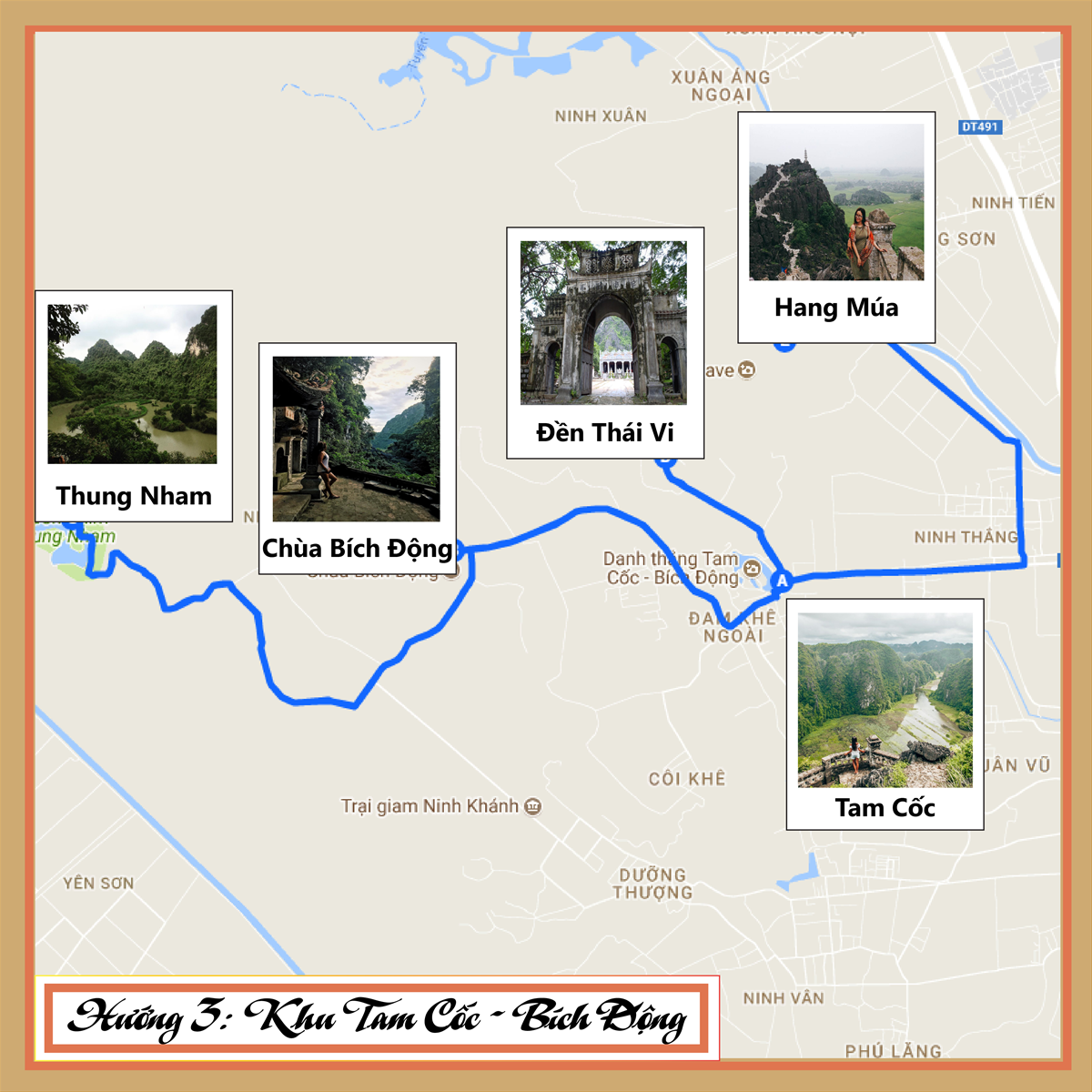
Thung Nham Bird Garden — located 12 kilometres west of Tam Coc — hosts what is arguably the most visually dramatic ninh binh birdwatching experience: the evening roost. Between 16:30 and 18:00, approximately 40,000 birds (predominantly egrets, herons, and cormorants) return to the limestone valley to roost in the trees lining the Boi River. The scale of the event is rather difficult to convey in text — imagine a white blizzard descending into a green canyon, and you approach it.

the biodiversity assessment maintains useful, if characteristically understated, practical information for visitors.
The 2024 renovation added the Jade Cavern (Động Ngọc) to the attraction, a 500-metre illuminated cave system beneath the bird colony. While the cave is impressive on its own merits, the primary draw remains the roosting birds above.
Species Commonly Observed at Thung Nham
| Species | Season | Abundance | Best Viewing |
|---|---|---|---|
| Great egret (Ardea alba) | Year-round | Common | Evening roost |
| Little egret (Egretta garzetta) | Year-round | Abundant | Morning/evening |
| Black-crowned night heron | Year-round | Common | Dusk departure |
| Asian openbill stork | Oct–Mar | Uncommon | Mid-morning |
| Painted stork | Nov–Feb | Rare visitor | Morning flight |
| Oriental darter | Year-round | Uncommon | River channels |
📚 Historical Note: Thung Nham was “discovered” as a bird site in 1998, though local Muong communities had been aware of the roosting colony for centuries — referring to it as “chim về tổ” (birds returning home). The first formal ornithological survey was conducted by BirdLife International in 2003.
Entrance fee: 100,000 VND ($4). Boat to inner valley: 50,000 VND. Arrive by 15:30 to secure a good position for the evening roost. Tripods permitted.
Van Long Nature Reserve — Langurs and Waterbirds
Van Long — the largest wetland nature reserve in the Red River Delta at 3,500 hectares — offers a more contemplative ninh binh birdwatching experience. The flooded karst terrain supports a different avifauna from Thung Nham: marsh-dwelling species, raptors, and the occasional vagrant from the coast.
The reserve is also the last stronghold of the Delacour’s langur (Trachypithecus delacouri), with approximately 180 individuals — the largest population of fewer than 300 worldwide. While technically a primate rather than a bird, no visitor to Van Long should neglect to scan the cliff faces through binoculars. The langurs are most active at dawn and dusk, moving along the upper limestone ledges.
Van Long Key Species
| Species | Season | Habitat |
|---|---|---|
| Grey heron | Year-round | Open water channels |
| Purple heron | Oct–Mar | Reed beds |
| White-breasted waterhen | Year-round | Marsh edges |
| Crested serpent eagle | Year-round | Karst cliff tops |
| Common kingfisher | Year-round | Water channels |
| Spot-billed pelican | Nov–Jan | Open water (rare) |
Access: 25 kilometres north of Ninh Binh city. Boat tour: 90,000 VND ($3.60). Walking dyke paths: free. Best time: 6:00–8:00 AM and 16:00–18:00. Guides available at entrance: 200,000 VND ($8) for a 2-hour birdwatching boat.
Cuc Phuong National Park — Forest Specialists
The 222 square kilometres of primary tropical forest at Cuc Phuong National Park support an entirely different avifauna — forest-dwelling species that are absent from the open wetlands. This is the site for serious ninh binh birdwatching: bar-backed partridge, silver pheasant, and several species of barbet and broadbill.

The Endangered Primate Rescue Centre at the park entrance houses captive-breeding programmes for Hatinh langurs and Delacour’s langurs. While not wild birdwatching, the centre offers close encounters with species that are otherwise extremely difficult to observe.
Entry: 100,000 VND ($4). Guided birdwatching walks: 600,000 VND ($24) for 4 hours. November–March is optimal for migrants.
Seasonal Birdwatching Calendar
| Month | Conditions | Key Species | Best Site |
|---|---|---|---|
| Nov–Jan | Cool, dry, migrants present | Storks, pelicans, wintering raptors | Van Long, Thung Nham |
| Feb–Mar | Warming, pre-breeding | Courtship displays, egret plumage | Thung Nham |
| Apr–Jun | Hot, breeding season | Nesting colonies, chicks | Thung Nham |
| Jul–Sep | Monsoon, reduced visibility | Resident species only | Cuc Phuong (forest canopy) |
| Oct | Clearing, migrants arriving | Early arrivals, passage waders | Van Long |
Equipment and Practical Tips
- Binoculars: 8×42 or 10×42 — waterproof essential for wetland sites
- Camera: 400mm+ telephoto for identifiable photographs. A 100-400mm zoom covers most situations.
- Clothing: Muted colours (green, brown, grey). Avoid white — herons and egrets associate white clothing with predatory movement.
- Field guide: “Birds of Vietnam” by Richard Craik and Lê Quý Minh (2018) — the definitive reference
- Timing: Dawn (5:30–7:30) for waterbirds and forest species. Dusk (16:30–18:00) for Thung Nham roost
- Mosquitoes: Aggressive at all wetland sites, particularly dusk. DEET-based repellent is not optional
📌 Book this experience:
currently available on Klook | check availability on Klook
Some links are affiliate links. We earn a small commission at no extra cost to you.
For travelers looking to arrange birdwatching tours and nature guides in advance, I have found that you can browse nature tours in Ninh Binh on 12Go with verified operators and instant confirmation.
FAQ
Is Ninh Binh good for birdwatching?
Ninh Binh supports 120+ bird species across wetland, karst, and forest habitats. Thung Nham Bird Garden hosts roosting colonies of 40,000+ birds. Van Long and Cuc Phuong add rare species including painted storks and silver pheasants.
When is the best time for birdwatching in Ninh Binh?
November through March is optimal, when wintering migrants from China and Siberia supplement resident populations. The Thung Nham evening roost is spectacular year-round. Monsoon months (July–September) offer reduced diversity.
Where can I see the Delacour’s langur?
Van Long Nature Reserve is the primary site — approximately 180 individuals live on the limestone cliffs. Early morning boat tours (6:00 AM) offer the best sighting probability. The Cuc Phuong Endangered Primate Rescue Centre has captive individuals.
Related Ninh Binh Guides
Disclosure: Some links in this article are affiliate links. If you book through them, we earn a small commission at no extra cost to you.
📍 Explore more: things to do in Ninh Binh →
🏛️ Explore Ninh Binh with Expert Guides — Book a private Ninh Binh tour with knowledgeable local guides who bring the UNESCO heritage to life. All-inclusive day trips from Hanoi starting at $45/person.
Frequently Asked Questions
Why is Ninh Binh considered one of Vietnam’s premier birdwatching destinations?
Ninh Binh’s convergence of karst wetlands, limestone forests, and protected reserves supports over 300 documented bird species, including the globally endangered white-rumped vulture and the elusive bar-bellied pitta. Thung Nham Bird Garden alone hosts approximately 40,000 birds across 50 species during peak nesting season from May through October.
What is the best time of day for birdwatching in Ninh Binh?
Dawn departures between 5:30-6:30 AM yield the highest species counts at Van Long Nature Reserve, where migratory waterfowl are most active before thermal currents develop. A second productive window occurs at dusk (5:00-6:30 PM) at Thung Nham, when thousands of egrets and storks return to their roosting colonies in a spectacle visible from the garden’s observation platforms.
What equipment should I bring for birdwatching in Ninh Binh?
Binoculars in the 8×42 range provide optimal magnification for the typical 30-80 meter viewing distances across Ninh Binh’s wetlands. Lightweight waterproof boots are essential year-round, as most observation points at Van Long and Thung Nham require walking through marshy terrain. Local guides with spotting scopes can be hired at Van Long for approximately 300,000 VND per half-day session.