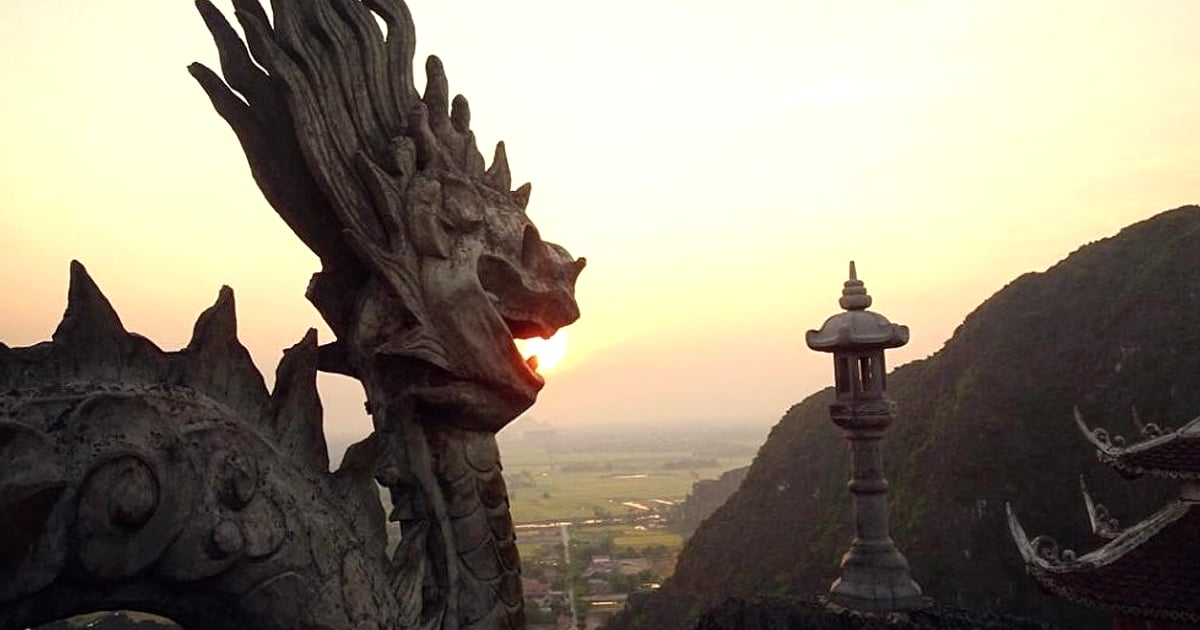
The phrase “best-kept secret” is deployed so carelessly in travel writing that it has been rendered almost meaningless — every destination from Mallorca to the Maldives has been called one. Ninh Binh in 2026, however, earns the designation through a statistical reality: while Halong Bay received 4.2 million visitors in 2025, and Sapa welcomed 3.1 million, Ninh Binh’s Trang An Scenic Complex recorded 2.5 million — despite possessing a UNESCO dual heritage designation that neither of those destinations can claim.
This ninh binh 2026 guide examines what has changed, what remains unchanged, and why the coming year represents a particularly advantageous moment to visit a province that has been quietly preparing for a visitor increase it has not yet received.
At a glance:
- UNESCO status: Trang An — dual natural and cultural heritage since 2014
- 2026 developments: new cycling infrastructure, eco-tourism initiatives, heritage preservation funding
- Visitor numbers: 2.5 million (2025) — still 40% below Halong Bay
- Budget: $30–60/day — Northern Vietnam’s most affordable major destination
- New in 2026: expanded Tam Coc night activities, improved road signage, e-bike rentals
What Makes Ninh Binh Different in 2026
Infrastructure Without Commercialisation
Ninh binh 2026 benefits from a provincial government strategy that has prioritised infrastructure quality over visitor volume — an approach that stands in rather refreshing contrast to the cruise-terminal expansion model employed at Halong Bay. Specific developments completed or underway in 2025–2026:
- Cycling paths: 25 km of dedicated cycling lanes connecting Tam Coc, Bich Dong, and the Hoa Lu area — separated from motor traffic, surfaced properly, and signed in English. This transforms the cycling experience from “pleasant but occasionally terrifying” to genuinely safe.
- Electric vehicle fleet: Tam Coc and Trang An now operate electric shuttle buses between major sites (20,000 VND/ride), reducing diesel exhaust in the karst valley. Bai Dinh Pagoda’s electric car fleet has been expanded from 20 to 45 vehicles.
- Road signage: Bilingual Vietnamese-English directional signs installed on all major routes between attractions. Prior to 2025, navigation required a combination of Google Maps, intuition, and the willingness to ask farmers for directions in a language they did not speak.
- Digital payments: QR code payment (MoMo, VNPay) now accepted at all major ticket offices, most hotels, and approximately 60% of Tam Coc restaurants — up from 20% in 2024.
UNESCO Preservation Progress
The Trang An Heritage Management Board received a $2.4 million UNESCO preservation grant in 2025, directed at three priorities: karst ecosystem monitoring, archaeological survey of the 30+ cave sites, and visitor capacity management. The practical effect for 2026 visitors includes stricter boat route enforcement (boats no longer deviate from designated channels), improved cave lighting (solar-powered, replacing diesel generators), and new interpretive signage at Hoa Lu Ancient Capital.
One notes with approval that the preservation approach follows the Angkor Wat model (managed growth, zone restrictions) rather than the Maya Bay model (close it entirely because you left it too late). Ninh Binh has the advantage of learning from others’ mistakes.
The Case for Visiting Now Rather Than Later
Every travel writer who has declared a destination “undiscovered” bears partial responsibility for its subsequent over-discovery. With that caveat acknowledged, ninh binh 2026 occupies a specific and finite position in the tourism development curve:
| Factor | Ninh Binh 2026 | Halong Bay 2015 (comparable stage) |
|---|---|---|
| Annual visitors | 2.5 million | 2.8 million (before explosion to 4.2M) |
| Hotel density | ~150 properties in Tam Coc area | ~80 cruise operators (now 200+) |
| Average spend/day | $35–50 | $85–150 |
| Infrastructure quality | Good and improving | Adequate, struggling with growth |
| Crowd management | Manageable (early/late visits work) | Overwhelmed at peak (2018–2019) |
The lesson from Halong Bay, Sapa, and Phong Nha is consistent: the optimal visiting window is when infrastructure has improved sufficiently for comfort but visitor numbers have not yet triggered the feedback loop of overcrowding → commercialisation → loss of character. Ninh Binh in 2026 is, by this measure, in its most advantageous period.
Ninh Binh 2026: What Has Not Changed (And Should Not)
The enduring appeal of Ninh Binh lies in what it has stubbornly refused to become. The province has not constructed a cable car to Mua Cave summit (the 486 steps remain the only ascent). The boat rowers at Tam Coc still row with their feet — a technique unique to this region that dates to at least the Le dynasty. The goat restaurants along the road to Hoa Lu have not been replaced by international chains. The karst landscape continues its 250-million-year indifference to human opinion.
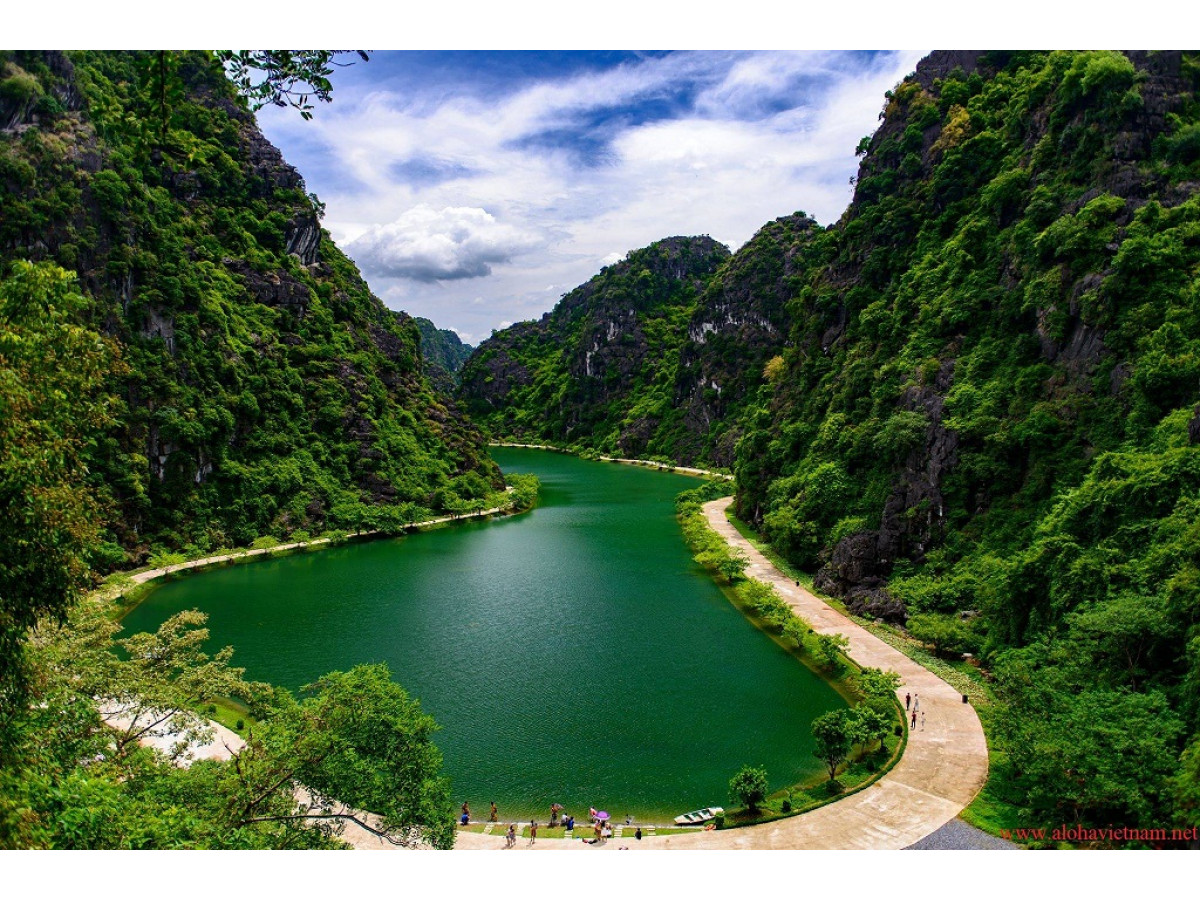
These continuities matter because they represent the authentic character that makes Ninh Binh worth visiting in the first place. One does not travel 95 km from Hanoi to find what Hanoi already provides.
New Experiences for 2026
- Night boat rides: A pilot programme at Tam Coc offers evening sampan rides (18:30–20:00, weekends only, June–October) with lantern lighting through the first cave. Limited to 20 boats per evening. Cost: 250,000 VND. Booking required 24 hours advance.
- E-bike rental network: Three operators now offer electric bicycles (150,000 VND/day) with 60+ km range — sufficient for a full day covering Tam Coc, Hoa Lu, and Bai Dinh without the physical demands of a standard bicycle in 35°C heat.
- Community eco-tourism: Three villages in the Gia Vien district have launched homestay programmes with guided agricultural activities — rice planting, lotus harvesting, and fish-pond management. These are not yet on international booking platforms, which is precisely their appeal.
- Heritage trail: A new 8 km walking trail connects Hoa Lu temples to Thai Vi Temple via a path along the ancient citadel walls. Completed late 2025, not yet in most guidebooks.
Planning Your Ninh Binh 2026 Visit
| Month | Weather | Rice Fields | Crowds | Rating |
|---|---|---|---|---|
| January–February | Cool, drizzly, 12–18°C | Fallow/flooded | Low | ★★★ |
| March–April | Warm, dry, 22–28°C | Green planting | Moderate | ★★★★ |
| May–June | Hot, humid, 30–35°C | Golden harvest | High | ★★★★ |
| July–August | Hot, monsoon, 32–36°C | Young seedlings | Peak domestic | ★★ |
| September–October | Warm, clearing, 25–32°C | Golden harvest | Peak international | ★★★★★ |
| November–December | Cool, dry, 15–22°C | Post-harvest | Low | ★★★★ |
For complete seasonal guidance, consult the best time to visit guide. For itinerary planning: the 2-day and 3-day itineraries remain current for 2026.
📌 Plan your 2026 visit:
Ninh Binh on Klook | Book on Klook
Some links are affiliate links. We earn a small commission at no extra cost to you.
For those planning ahead, I have found that you can compare Ninh Binh heritage tours on 12Go with confirmed availability and transparent pricing.
FAQ
What is new in Ninh Binh for 2026?
Key ninh binh 2026 developments include 25 km of dedicated cycling lanes, electric shuttle buses between sites, night boat rides at Tam Coc (pilot programme, weekends), e-bike rental networks, a new 8 km heritage trail from Hoa Lu to Thai Vi Temple, and expanded digital payment acceptance at 60% of businesses.
Is Ninh Binh still affordable in 2026?
Yes. Budget travellers spend $25–35/day (homestay, local food, cycling). Mid-range: $45–70/day. Prices have increased 5–8% from 2024 but Ninh Binh remains Northern Vietnam’s most affordable major destination — roughly half the daily cost of Halong Bay.
How crowded is Ninh Binh in 2026?
Manageable with strategy. Peak months (September–October) see crowds at Mua Cave mid-morning and Tam Coc at midday. Solutions: visit at sunrise, choose Trang An over Tam Coc, explore Van Long wetland. Weekdays see 60–70% fewer visitors than weekends.
Disclosure: Some links in this article are affiliate links. If you book through them, we earn a small commission at no extra cost to you.
Related Ninh Binh Guides
- complete Ninh Binh travel guide
- Ninh Binh food and cuisine guide
- Ninh Binh homestay guide
- Mua Cave hiking guide
For further reading: Ramsar Convention wetland designation.
Frequently Asked Questions
What is new in Ninh Binh for 2026?
The most significant development for 2026 is the continued expansion of the Trang An heritage management system, including improved visitor flow management and new interpretive signage at archaeological cave sites documenting 30,000 years of human habitation. The road infrastructure connecting Tam Coc to Trang An has been upgraded with dedicated cycling lanes completed in late 2025, making self-guided exploration between the two zones safer and more enjoyable. Several new boutique accommodations have opened in the Tam Coc corridor, expanding the mid-range options that were previously limited.
Have entrance fees changed in Ninh Binh for 2026?
The Trang An boat ticket remains at 200,000 VND per person as of early 2026, while Tam Coc boat rides are priced at 150,000 VND, both unchanged from 2025. Mua Cave entrance stands at 100,000 VND for adults, and Bai Dinh Pagoda maintains free entry with an optional electric cart service at 30,000 VND. The Hoa Lu Ancient Capital raised its entrance fee to 40,000 VND in late 2025, still modest by international heritage site standards and inclusive of access to both the Dinh and Le dynasty temple compounds.
Is Ninh Binh becoming overcrowded in 2026?
Visitor numbers to the Trang An complex have increased steadily since the Kong: Skull Island film release and UNESCO listing, with the management authority now implementing time-slot booking during peak periods to manage flow through the boat circuits. The October golden rice season and Lunar New Year remain the most congested periods, when Tam Coc can feel significantly busier than its rural character suggests. Visiting during weekday mornings or during the green rice season of June-July provides a substantially quieter experience with fewer domestic tour groups.