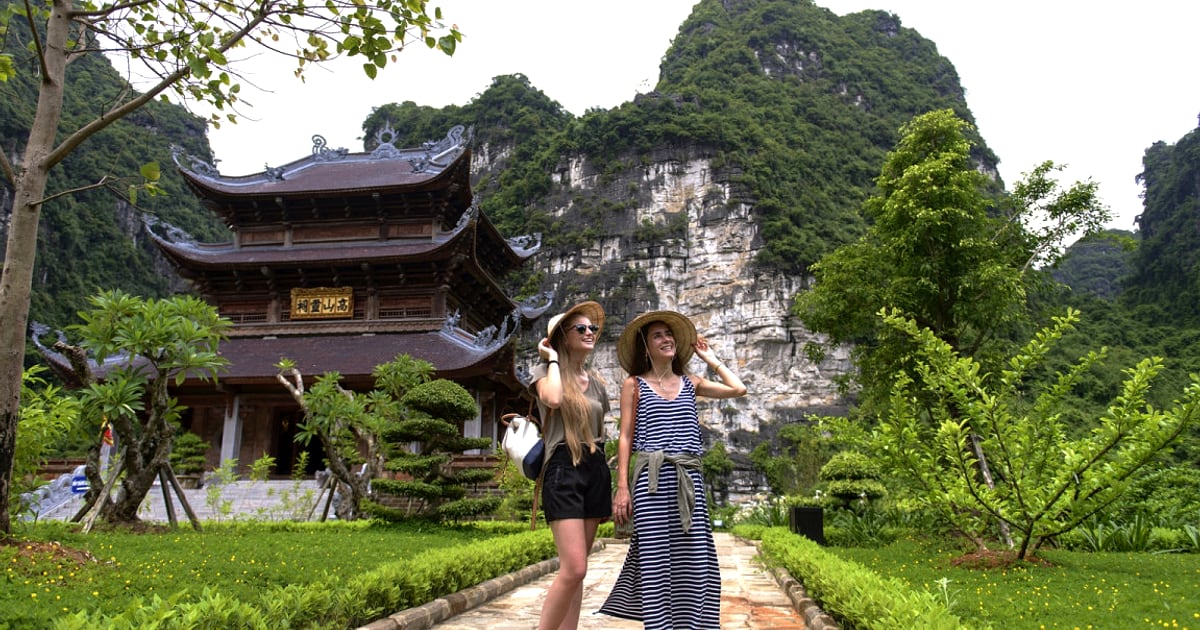
In 2014, UNESCO inscribed Trang An as a World Heritage site with an unusual stipulation: the designation was explicitly conditional on Vietnam maintaining the “Outstanding Universal Value” through sustainable management — a requirement that, a decade later, has produced a rather more interesting eco-tourism infrastructure than most visitors realise exists.
This guide examines ninh binh eco tourism beyond the marketing slogans — the community-based initiatives, conservation programmes, and genuinely sustainable experiences that distinguish responsible travel from greenwashing.
At a glance:
- UNESCO buffer zone eco-projects: 4 active community programmes
- Community homestays: 30+ registered, village-managed
- Conservation programmes: Delacour’s langur (Van Long), turtle rescue (Cuc Phuong)
- Organic farming visits: 3 accessible operations near Tam Coc
- Carbon offset: Ninh Binh’s karst-wetland system sequesters ~12,000 tonnes CO2/year
The UNESCO Buffer Zone Model
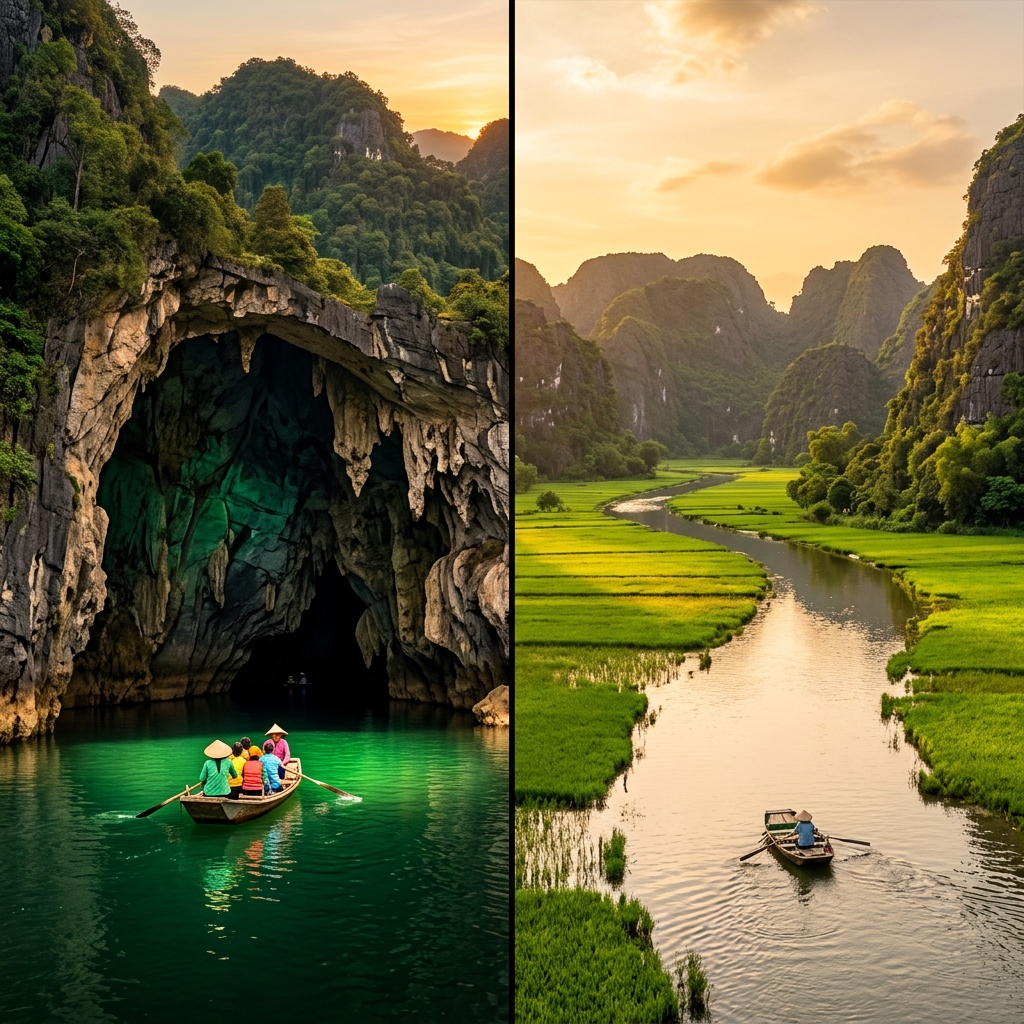
Trang An’s management plan — designed by Vietnamese and international conservation teams — divides the landscape into three zones: core heritage (no development), buffer (limited tourism), and transition (managed tourism). This ninh binh eco tourism framework ensures that the 6,172-hectare core zone remains essentially untouched, while directing visitor activity to areas equipped to handle it.
The practical effect for visitors is meaningful: boat routes through the core zone are strictly regulated (no more than 50 boats per hour), rubbish collection operates daily on all waterways, and construction within the buffer zone requires UNESCO committee approval. These are not theoretical protections — enforcement has been notably more rigorous here than at comparable Vietnamese heritage sites.
📚 Historical Note: The Trang An management plan drew heavily on the Cinque Terre (Italy) and Ha Long Bay models — though, one might observe, with rather more consistent enforcement than either. The Vietnamese government’s 2024 Decision No. 705/QD-TTg specifically strengthened conservation provisions for the Trang An-Tam Coc-Bich Dong complex.
Community Homestays: Village-Managed Tourism
Ninh Binh’s community homestay network — approximately 30 registered operations across 8 villages — represents one of northern Vietnam’s better examples of tourism revenue reaching local households directly. Unlike hotel-operated “homestay experiences,” these are genuine family homes with allocated guest rooms, communal dining, and the ambient reality of Vietnamese rural life (including, one should note, early-morning rooster activity).
| Village | Location | Speciality | Price/Night |
|---|---|---|---|
| Hai Nham | Near Tam Coc | Rice farming participation | 300,000 VND ($12) |
| Gia Hung | Near Trang An | Cooking classes + fishing | 350,000 VND ($14) |
| Ninh Hai | Near Van Long | Weaving + birdwatching | 250,000 VND ($10) |
| Son Ha | Near Cuc Phuong | Forest trekking base | 200,000 VND ($8) |
Booking: Direct via village cooperative phone (Vietnamese language helpful) or through responsible tour operators. A 20-30% booking fee applies when using intermediaries. The revenue structure is transparent: 70% to the host family, 15% to the village cooperative (for infrastructure), 15% to the booking platform.
Conservation Projects Open to Visitors
Delacour’s Langur Conservation (Van Long)
The Van Long Nature Reserve conservation programme — managed by the Frankfurt Zoological Society and Ninh Binh Provincial Forest Protection Department — welcomes visitors to its monitoring station. Activities include joining a dawn patrol (5:30 AM start, 3-4 hours), learning langur identification techniques, and contributing to the population census through citizen-science photography submissions.

Cost: 400,000 VND ($16) donation per participant. Advance booking: 48 hours. Maximum 4 participants per patrol to minimise disturbance.
Turtle Conservation Centre (Cuc Phuong)
The Turtle Conservation Centre at Cuc Phuong National Park houses over 1,000 turtles representing 25 species — several of which are critically endangered (fewer than 100 individuals remaining in the wild). The centre operates breeding programmes, anti-trafficking rescue operations, and a visitor education programme that does not shy away from the grim realities of the wildlife trade.
Entry: Included in Cuc Phuong park fee (100,000 VND). Guided tour: 200,000 VND. Volunteer programmes: 2-week minimum, enquire directly with the centre.
Organic Farming Experiences
Three farming operations near Tam Coc offer agricultural tourism that goes beyond the performative rice-planting-in-costume genre. These are working farms that allocate time for visitor participation during genuine agricultural activities:
- Mr. Hung’s Organic Garden (Hai Nham): Seasonal vegetable cultivation, traditional pest management using chili-garlic solutions. Half-day: 250,000 VND including lunch.
- Tam Coc Rice Cooperative: Seasonal participation in planting (May-June) or harvesting (September-October). Full day: 300,000 VND.
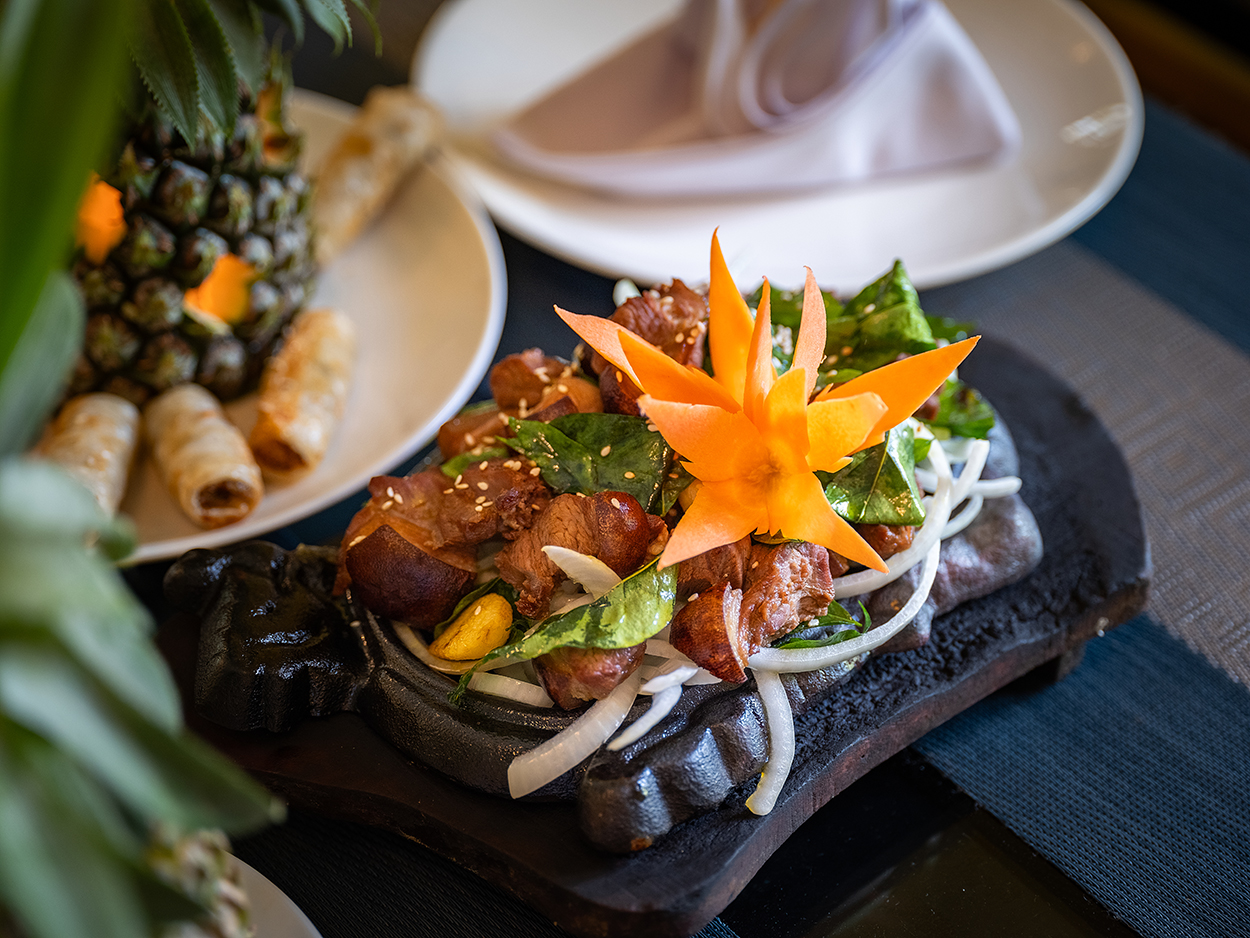
- Goat Farm Visit (Ninh Hai): The goat meat (thịt dê) that defines Ninh Binh’s cuisine comes from local farms. Visit includes feeding, milking demonstration, and grilled goat lunch. 200,000 VND.
Responsible Travel Practices for Ninh Binh
- Boat tours: Choose Trang An over Tam Coc for better-managed environmental controls
- Accommodation: Community homestays distribute revenue more equitably than international hotels
- Transport: Bicycles for Tam Coc area; electric shuttle for Bai Dinh (reducing vehicle emissions in the heritage zone)
- Wildlife: Do not purchase wild-caught animals or traditional medicine products at local markets
- Photography: Ask permission before photographing village residents, especially children and elderly
- Waste: Carry reusable water bottle — refill stations available at Trang An, Bai Dinh, and most homestays
📌 Book this experience:
Check eco tours on Klook | Browse on Klook
Some links are affiliate links. We earn a small commission at no extra cost to you.
For travelers looking to arrange eco-tourism and community experiences in advance, I have found that you can discover eco-tours in Ninh Binh on 12Go with verified operators and instant confirmation.
FAQ
What eco-tourism activities are available in Ninh Binh?
Community homestays in 8 villages, conservation patrols at Van Long (Delacour’s langur monitoring), turtle rescue centre visits at Cuc Phuong, organic farming experiences near Tam Coc, and UNESCO-managed boat tours through the Trang An core heritage zone.
Are Ninh Binh homestays genuinely eco-friendly?
The 30+ registered community homestays operate under a village cooperative model: 70% revenue to host family, 15% to village infrastructure, 15% booking fee. Prices range from 200,000–350,000 VND ($8–$14) per night including meals.
Can you volunteer for conservation in Ninh Binh?
Yes. The Turtle Conservation Centre at Cuc Phuong accepts 2-week minimum volunteers. Van Long’s langur monitoring programme accepts day-visit citizen scientists (400,000 VND donation, advance booking 48 hours).
Disclosure: Some links in this article are affiliate links. If you book through them, we earn a small commission at no extra cost to you.
For further reading: Vietnam’s national park system.
Frequently Asked Questions
What makes Ninh Binh a leading eco-tourism destination in Vietnam?
Ninh Binh contains Vietnam’s first mixed UNESCO World Heritage Site (Trang An Landscape Complex, inscribed 2014), encompassing 12,252 hectares of protected karst ecosystems that shelter the critically endangered Delacour’s langur — with fewer than 300 individuals remaining worldwide. The province’s eco-tourism framework directs a portion of entrance fees toward habitat restoration.
Which eco-tourism experiences in Ninh Binh have the lowest environmental impact?
Cycling the 30-kilometer network of paths through Tam Coc’s rice valleys and kayaking the Van Long Nature Reserve represent the province’s lowest-impact activities, producing zero emissions while supporting local families who maintain the routes. Homestay accommodations in villages surrounding Trang An further minimize environmental footprint, with rates typically between 300,000-500,000 VND per night including breakfast.
How does Ninh Binh’s eco-tourism benefit local communities?
The sampan rowing operation at Tam Coc and Trang An directly employs over 4,000 local residents — predominantly women from surrounding farming communities — who earn supplemental income during the agricultural off-season. This community-employment model, established when Trang An received UNESCO inscription, has become a reference framework studied by sustainable tourism organizations across Southeast Asia.