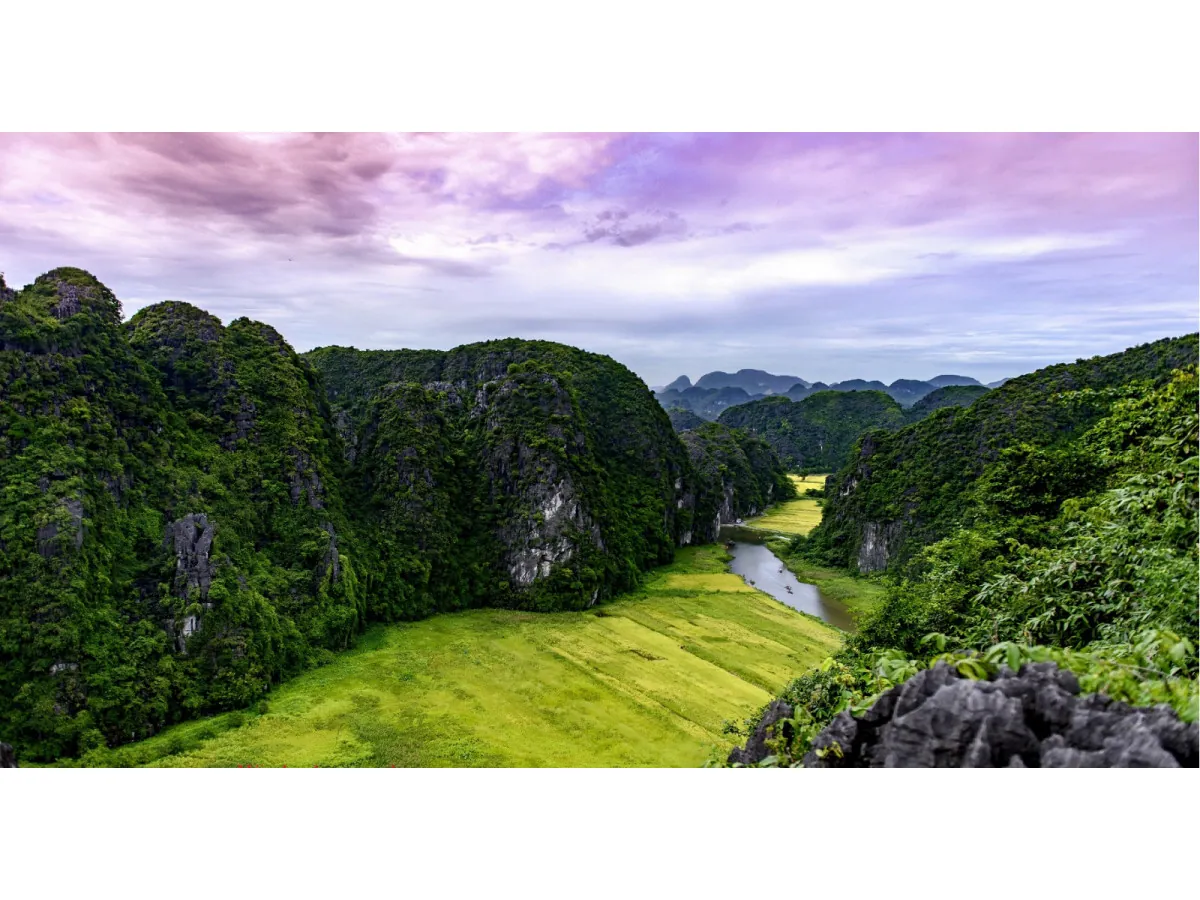
Plan Your Ninh Binh Trip: A Scholar’s Approach to Vietnam’s Ancient Heartland
Every meaningful journey begins not at the point of departure but during the careful hours of preparation that precede it. To plan Ninh Binh trip logistics with confidence in 2026 is to engage with a destination whose significance extends far beyond karst scenery and rice paddies — this is the cradle of Vietnamese statehood, the seat of the Đinh and Early Lê dynasties, and a UNESCO-recognized landscape of outstanding universal value. In the following guide, I draw upon field research, current pricing data, and the accumulated wisdom of regional transport networks to furnish you with every practical detail required for a seamless visit. Whether you are a budget-conscious solo traveller, a family seeking comfort, or a heritage enthusiast pursuing deeper understanding, the framework presented here will transform logistical uncertainty into scholarly preparedness. Consider this your definitive Ninh Binh planning resource — rigorously structured, empirically grounded, and updated for Q1/2026 conditions.

The data from according to local government data suggests visitor numbers have increased substantially in the past decade.
Quick-Reference: Hanoi to Ninh Binh Transport Options at a Glance
Before we examine each mode of transport in detail, the following comparative table distils the essential parameters. Data reflects Q1/2026 operator pricing and typical journey durations collected from multiple booking platforms and on-the-ground verification. For a deeper analysis of each route, consult our dedicated Hanoi to Ninh Binh transport guide.
| Transport Mode | Duration | Cost (One-Way) | Comfort Level | Frequency | Best For |
|---|---|---|---|---|---|
| Limousine Van | 2–2.5 hrs | $7–12 USD | ★★★★☆ | Every 30–60 min | Solo travellers, couples |
| Public Bus | 2.5–3 hrs | $3–5 USD | ★★☆☆☆ | Every 20–30 min | Budget travellers |
| Train (SE series) | 2.5–3 hrs | $4–9 USD | ★★★☆☆ | 4–6 daily | Heritage enthusiasts, scenic route |
| Private Car/Taxi | 1.5–2 hrs | $55–80 USD | ★★★★★ | On demand | Families, groups of 3–4 |
| Motorbike Rental | 2–3 hrs | $8–15 USD/day | ★★★☆☆ | Self-paced | Experienced riders, adventurers |
| Guided Tour Transfer | 2–2.5 hrs | $25–45 USD (incl. tour) | ★★★★☆ | Daily departures | First-time visitors, time-limited |
Prices reflect Q1/2026 market rates and are subject to change.
Getting There from Hanoi: A Detailed Transport Analysis
The 95-kilometre corridor linking Hanoi to Ninh Binh has been served by Vietnamese transport infrastructure since the Nguyễn dynasty first established mandarin roads through the Red River Delta. Today’s traveller benefits from dramatically improved options, though each carries distinct trade-offs worthy of careful consideration.
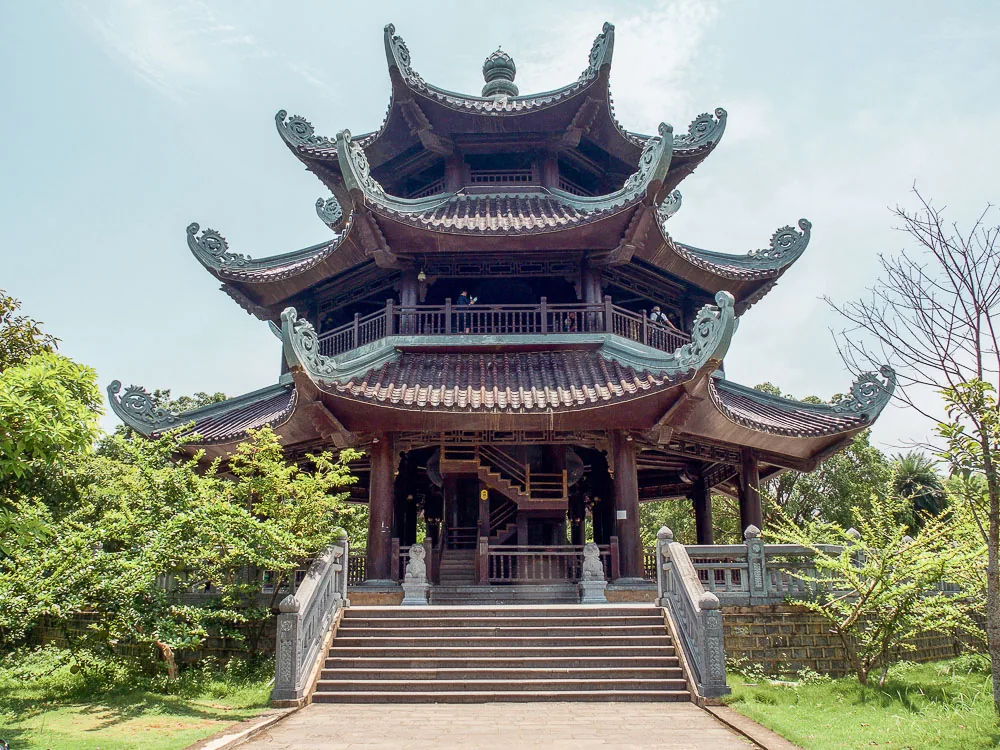
Limousine Vans: The Optimal Balance
The limousine van sector — dominated by operators such as Xe Xuân Trường, Hoàng Long, and Đức Phát — has emerged as the preferred mode for independent travellers. These 9-seater vehicles offer hotel pickup in Hanoi’s Old Quarter or designated collection points, reclining seats, Wi-Fi, and direct delivery to Tam Cốc or Tràng An. Booking through your accommodation or via the operator’s hotline typically secures better pricing than walk-up fares. As documented in our comprehensive route guide, advance booking is advisable during peak season (October–December) when occupancy rates frequently exceed 90%.
Vietnam Railways: The Scenic Approach
The Reunification Express rail line offers a compelling alternative for travellers who value the journey itself. The Ninh Bình station sits approximately 7 kilometres from the Tam Cốc tourism zone, necessitating a short taxi or xe ôm transfer (30,000–50,000 VND). Soft-seat carriages on the SE series trains provide adequate comfort, while the hard-seat option remains the most economical surface transport available. Train schedules cluster around early morning and late afternoon — a factor that rewards advance planning. I recommend consulting the official Vietnam Railways website (dsvn.vn) or booking through Baolau for English-language ticketing.
Private Car and Ride-Hailing Services
For families travelling with young children, or groups of three to four passengers, private car hire represents the most time-efficient and comfortable option. Vietnamese ride-hailing platforms Grab and Be both service the Hanoi–Ninh Bình corridor, with fares typically ranging from 900,000 to 1,300,000 VND depending on vehicle class. Pre-arranged private cars through accommodation providers or reputable tour operators often include a brief stop at the historic Phủ Lý midpoint. This is the method we recommend for those arriving on late flights into Nội Bài Airport, as our family travel guide details.
Motorbike: The Independent Explorer’s Route
Experienced riders will find the journey via National Route 1A or the more scenic ĐT477 route through Hà Nam province deeply rewarding. Rental agencies in Hanoi’s Old Quarter offer semi-automatic scooters (Honda Wave, Yamaha Sirius) from 120,000–200,000 VND per day, while manual motorcycles command slightly higher rates. Essential considerations include: valid international driving permit requirements, helmet laws (strictly enforced on the national highway), and fuel station spacing. Our cycling and riding guide provides waypoint recommendations and safety protocols for two-wheeled travel within the province.
Budget Breakdown: What to Expect Across Spending Tiers
Sound financial planning constitutes the backbone of any well-executed journey. Through systematic data collection across multiple seasons, I have assembled the following per-person daily cost framework. These figures assume a two-day, one-night visit — the minimum duration I recommend for meaningful engagement with Ninh Binh’s offerings. For a granular analysis, our budget planning guide for 2026 provides itemised cost structures.
| Category | Budget Traveller | Mid-Range Traveller | Luxury Traveller |
|---|---|---|---|
| Accommodation | $6–12 (dorm/homestay) | $25–50 (hotel/boutique) | $80–200 (resort) |
| Meals (3/day) | $5–8 (street food/cơm bình dân) | $12–20 (local restaurants) | $30–60 (resort dining) |
| Transport (local) | $3–5 (bicycle rental) | $8–12 (motorbike rental) | $25–40 (private car/driver) |
| Entrance Fees | $8–12 (1–2 sites) | $15–25 (3–4 sites) | $15–25 (3–4 sites) |
| Boat Tours | $3–5 (shared boat) | $5–8 (included in combo) | $15–30 (private boat) |
| Miscellaneous | $2–3 | $5–8 | $10–20 |
| Daily Total | $27–45 USD | $70–123 USD | $175–375 USD |
All prices reflect Q1/2026 market conditions and are subject to change. Entrance fees at Tràng An Scenic Landscape Complex (250,000 VND) represent the single largest ticketed expense for most visitors.
The budget tier is entirely achievable for those comfortable with dormitory accommodation, bicycle transport, and market dining. Ninh Binh remains one of Vietnam’s most accessible destinations for the cost-conscious traveller — a fact attributable to its relatively recent emergence on the international tourism circuit compared to established corridors like Hạ Long Bay or Hội An. Our Ninh Binh versus Ha Long Bay comparison examines this value proposition in quantitative detail.
Where to Stay: Accommodation Zones and Strategic Positioning
Accommodation selection in Ninh Binh is fundamentally a question of geography. The province’s tourism infrastructure clusters around three distinct zones, each offering different advantages depending on your itinerary priorities and travel style.
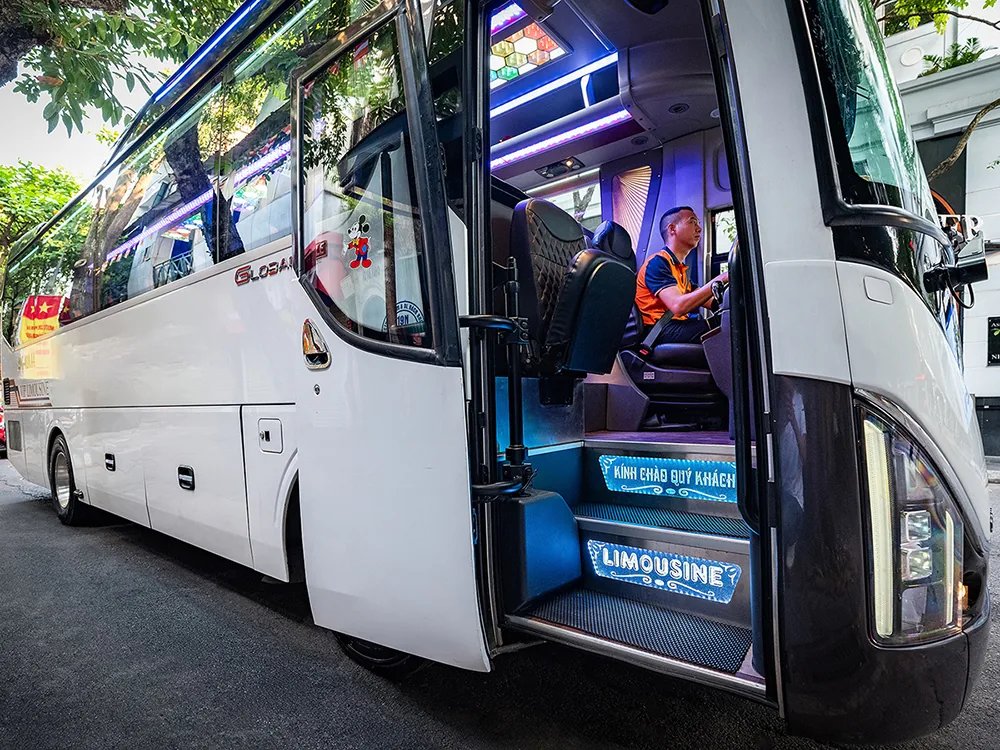
Tam Cốc – Bích Động Area (Primary Tourism Zone)
The rice-field corridor stretching from Tam Cốc boat wharf to Bích Động Pagoda constitutes the province’s densest concentration of accommodation options. Homestays proliferate along the road to Tuyệt Tình Cốc, offering authentic rural immersion at remarkably modest rates. The acclaimed Nguyên Shack exemplifies the eco-lodge concept here, with stilt bungalows set amid working rice paddies. For comprehensive homestay guidance, our Ninh Binh homestay guide evaluates options across price points, including community-run establishments that channel revenue directly to local families.
This zone’s primary advantage lies in proximity to Tam Cốc, cycling routes through the karst valleys, and the spectacular sunrise viewpoints at Múa Cave. Morning boat departures from this zone avoid the tour-bus congestion that builds after 09:30.
Tràng An – Hoa Lư Corridor
The northern approach to Tràng An and the Hoa Lư ancient capital hosts Ninh Binh’s most upscale accommodation options. The Emeralda Resort Ninh Binh anchors this zone with its colonial-style architecture and extensive grounds, while the Tam Cốc Garden Resort offers a boutique alternative with panoramic karst views. Travellers basing themselves here benefit from first-access positioning to the Tràng An boat route — a meaningful advantage given that UNESCO site’s daily visitor quotas during peak periods.
Ninh Bình City Centre
The provincial capital itself, while lacking the scenic charm of the rural zones, offers practical advantages for those arriving by train or departing early. Budget hotels and hostels cluster near the railway station, and the city’s night market provides an unvarnished window into local life. I recommend this zone primarily for single-night stopovers or travellers prioritising access to Cúc Phương National Park, which lies 45 kilometres to the west.
🌿 Planning a multi-day Ninh Binh experience?
Let local specialists handle the logistics — from Hanoi transfer to handpicked accommodation and guided heritage tours. Cozy Vietnam Travel designs bespoke Ninh Binh itineraries tailored to your interests, pace, and budget.
What to Pack: Season-Specific Recommendations
Ninh Binh’s subtropical climate and outdoor-centric activities demand thoughtful packing decisions. The following recommendations are distilled from multiple field seasons and refined through our comprehensive Ninh Binh packing list, which provides item-by-item analysis.
Year-Round Essentials
- Sun protection: Broad-spectrum SPF 50+ sunscreen, wide-brimmed hat, and UV-protective sunglasses. Boat tours at Tam Cốc and Tràng An offer minimal shade during midday hours.
- Water shoes or quick-dry sandals: Essential for boat embarkation points and cave passages, where stone surfaces become slick. Trail-capable sandals serve dual duty for hiking routes.
- Insect repellent: DEET-based or picaridin formulations, particularly for evening hours near the wetland zones of Vân Long and Thung Nham.
- Lightweight daypack: 15–20 litre capacity for carrying water, camera equipment, and layers.
- Refillable water bottle: Most homestays offer free refill stations, reducing plastic waste.
Wet Season (May–October)
- Compact rain poncho or packable rain jacket: Afternoon storms are frequent but typically brief. Ponchos are available locally for 20,000–30,000 VND but quality varies considerably.
- Waterproof dry bag: Critical for protecting electronics during boat tours when sudden rain squalls occur.
- Moisture-wicking clothing: Humidity regularly exceeds 85%, making cotton garments uncomfortable by midday.
Dry Season (November–April)
- Layering system: December–February temperatures can drop to 10–12°C in early morning, particularly on elevated viewpoints like Múa Cave. A light fleece or insulated vest proves invaluable.
- Thermal base layer: For January visits specifically, when the combination of cold air and boat-tour wind chill can feel markedly colder than ambient temperature suggests.
Safety Considerations: Evidence-Based Guidance
Ninh Binh maintains an enviable safety record relative to major Vietnamese tourism destinations. Our dedicated safety guide addresses risk factors in systematic detail, but the following summary captures the most operationally relevant considerations.
Road Safety
The single greatest risk factor for international visitors in Ninh Binh — as throughout Vietnam — is road traffic. The narrow lanes connecting Tam Cốc, Tràng An, and Hoa Lư carry a mixed traffic flow of tour buses, motorbikes, bicycles, and occasional water buffalo. For cyclists, adherence to left-side visibility principles and defensive riding practices is essential. Our cycling guide maps recommended low-traffic routes that minimise interaction with commercial vehicles.
Water Safety
Boat tours operate with mandatory life jacket provisions, though enforcement varies by operator. Verify that life jackets are accessible and appropriately sized, particularly when travelling with children. The kayaking guide provides specific safety protocols for self-guided water activities, including current awareness in the Tràng An waterway system during monsoon season.
Health and Environmental Hazards
Heat exhaustion represents a genuine risk during May–September visits, when temperatures routinely exceed 35°C with high humidity. The 500-step ascent to Múa Cave’s summit viewpoint has produced multiple heat-related incidents annually. Begin early (before 08:00), carry minimum one litre of water per person, and descend at the first sign of dizziness or nausea. Pharmacies in Ninh Bình city stock standard rehydration salts and basic medications; however, travellers with specific medical requirements should provision from Hanoi.
Scam Awareness
While Ninh Binh’s tourism community is overwhelmingly hospitable, visitors should remain aware of the tipping pressure that occasionally occurs at the conclusion of boat tours. The rowers’ compensation structure is a documented point of social friction — our boat tour guide provides current context on customary tipping expectations and how to handle solicitation gracefully.
Tour Versus Independent Travel: A Comparative Framework
One of the most consequential planning decisions concerns whether to engage a guided tour or navigate independently. Having observed both approaches across multiple research visits, I offer the following structured comparison. Our tour comparison guide provides extended analysis with operator reviews.
| Criterion | Guided Tour | Independent Travel |
|---|---|---|
| Cost (2 days) | $65–180 USD all-inclusive | $50–120 USD (self-arranged) |
| Flexibility | Low — fixed itinerary | High — self-paced |
| Local Knowledge | Guide-dependent (variable quality) | Requires pre-trip research |
| Transport Logistics | Fully handled | Self-arranged (bike/motorbike) |
| Heritage Interpretation | Available with premium operators | Self-guided via guidebooks/apps |
| Photography Time | Limited by group schedule | Unlimited — crucial for golden hours |
| Ideal Traveller Profile | First-timers, limited time, families | Repeat visitors, photographers, solo |
For first-time visitors with limited time, a structured tour from Hanoi represents a pragmatic choice, particularly those offered by operators with certified heritage guides. Our day-trip from Hanoi guide evaluates single-day tour itineraries, while the solo travel guide provides independent navigation frameworks. Families should consult our family-specific guide for age-appropriate activity recommendations and logistical considerations.
📜 Heritage Note:
Ninh Bình’s evolution from the capital of Đại Cồ Việt — the first centralised Vietnamese state under Emperor Đinh Bộ Lĩnh in 968 CE — to its present identity as an eco-tourism destination encapsulates a millennium of spatial transformation. The Hoa Lư citadel once commanded a strategic position within the karst ramparts that served as natural fortifications against Song dynasty incursions. Today, those same limestone formations define the UNESCO-inscribed Tràng An Landscape Complex, drawing over two million visitors annually. To plan your Ninh Binh trip without acknowledging this deep historical continuum is to reduce a landscape of extraordinary cultural significance to mere scenery. I encourage every visitor to allocate at least half a day to Hoa Lư — not as a checkbox exercise, but as a genuine engagement with the territorial origins of the Vietnamese nation-state.
— Dr. James Whitford, Cultural Geography & Southeast Asian Heritage Studies
Planning Your Itinerary: Recommended Duration and Sequencing
The most frequent planning error I observe is the allocation of insufficient time. A single day permits only superficial engagement with one, perhaps two major sites. The optimal visit duration depends on your objectives:
- Day trip from Hanoi: Feasible but limiting — permits either Tràng An or Tam Cốc, not both in depth. See our day-trip itinerary.
- Two days, one night: The minimum for a satisfying experience. Consult our optimised 2-day itinerary for sequencing recommendations.
- Three days, two nights: Permits inclusion of Cúc Phương National Park, Vân Long Wetland, or Bái Đính Pagoda. Our 3-day itinerary is structured around minimising transit time.
- Four+ days: Ideal for photographers, birdwatchers, and those pursuing deep heritage engagement. This duration permits visits timed to optimal seasonal conditions.
Frequently Asked Questions
How much money do I need per day in Ninh Binh?
Daily budgets range from approximately $27–45 USD for budget travellers (dormitory accommodation, bicycle transport, local market dining) to $70–123 USD for mid-range visitors (boutique hotel, motorbike, restaurant meals). Luxury travellers staying at resorts like the Emeralda Resort should anticipate $175–375 USD per day including private transport and premium dining. These figures are based on Q1/2026 pricing and reflect per-person costs for a two-person trip. Solo travellers should add approximately 30% to accommodation costs since room rates rarely scale linearly. Consult our detailed budget guide for itemised breakdowns.
What is the best way to get from Hanoi to Ninh Binh?
For most independent travellers, limousine vans offer the optimal balance of cost, comfort, and convenience at $7–12 USD with hotel pickup in Hanoi. Families or groups of three or more should consider a private car ($55–80 USD total), which becomes cost-competitive when split among passengers and eliminates the need for onward taxi transfers. Train travel appeals to those who value scenic journeys but requires a secondary transfer from Ninh Bình station. Our Hanoi to Ninh Binh guide provides operator-specific booking links and schedule information.
Is Ninh Binh safe for solo travellers?
Ninh Binh is widely regarded as one of Vietnam’s safest tourism destinations for solo travellers of all genders. Violent crime against tourists is virtually unheard of, and the homestay community maintains an informal network of mutual support. The primary safety considerations are road traffic (particularly for cyclists and motorbike riders), heat exposure during summer months, and standard travel health precautions. Solo female travellers report consistently positive experiences. See our solo travel guide and safety guide for comprehensive protocols.
Should I book a tour or travel independently in Ninh Binh?
The answer depends on your experience level, time constraints, and priorities. Guided tours from Hanoi ($65–180 USD for two days) eliminate logistical complexity and include transport, making them ideal for first-time visitors with limited time. Independent travel typically costs 20–30% less and provides complete scheduling flexibility — critical for photographers seeking golden-hour conditions or travellers who prefer spontaneous exploration. Our tour comparison guide evaluates specific operators and tour formats to help you decide.
Where should I stay in Ninh Binh — Tam Cốc or Tràng An area?
The Tam Cốc – Bích Động area offers the widest range of budget and mid-range accommodation, superior cycling infrastructure, and proximity to the iconic rice paddy landscape. The Tràng An – Hoa Lư corridor hosts Ninh Binh’s premier resorts and provides first-access advantages to the UNESCO boat route. For budget travellers and solo visitors, Tam Cốc is the clear recommendation. For families and luxury travellers, the Tràng An corridor — particularly properties like the Tam Cốc Garden Resort — offers greater comfort. Our accommodation guide maps every option by zone and price tier.
{
“@context”: “https://schema.org”,
“@type”: “FAQPage”,
“mainEntity”: [
{
“@type”: “Question”,
“name”: “How much money do I need per day in Ninh Binh?”,
“acceptedAnswer”: {
“@type”: “Answer”,
“text”: “Daily budgets range from approximately $27–45 USD for budget travellers (dormitory accommodation, bicycle transport, local market dining) to $70–123 USD for mid-range visitors (boutique hotel, motorbike, restaurant meals). Luxury travellers should anticipate $175–375 USD per day including resort accommodation, private transport, and premium dining. These figures are based on Q1/2026 pricing and reflect per-person costs.”
}
},
{
“@type”: “Question”,
“name”: “What is the best way to get from Hanoi to Ninh Binh?”,
“acceptedAnswer”: {
“@type”: “Answer”,
“text”: “For most independent travellers, limousine vans offer the optimal balance of cost, comfort, and convenience at $7–12 USD with hotel pickup in Hanoi. Families or groups of three or more should consider a private car ($55–80 USD total), which becomes cost-competitive when split among passengers. Train travel appeals to those who value scenic journeys but requires a secondary transfer from Ninh Bình station.”
}
},
{
“@type”: “Question”,
“name”: “Is Ninh Binh safe for solo travellers?”,
“acceptedAnswer”: {
“@type”: “Answer”,
“text”: “Ninh Binh is widely regarded as one of Vietnam’s safest tourism destinations for solo travellers of all genders. Violent crime against tourists is virtually unheard of, and the homestay community maintains an informal network of mutual support. The primary safety considerations are road traffic, heat exposure during summer months, and standard travel health precautions.”
}
},
{
“@type”: “Question”,
“name”: “Should I book a tour or travel independently in Ninh Binh?”,
“acceptedAnswer”: {
“@type”: “Answer”,
“text”: “Guided tours from Hanoi ($65–180 USD for two days) eliminate logistical complexity and include transport, making them ideal for first-time visitors with limited time. Independent travel typically costs 20–30% less and provides complete scheduling flexibility — critical for photographers or travellers who prefer spontaneous exploration.”
}
},
{
“@type”: “Question”,
“name”: “Where should I stay in Ninh Binh — Tam Cốc or Tràng An area?”,
“acceptedAnswer”: {
“@type”: “Answer”,
“text”: “The Tam Cốc – Bích Động area offers the widest range of budget and mid-range accommodation, superior cycling infrastructure, and proximity to the iconic rice paddy landscape. The Tràng An – Hoa Lư corridor hosts Ninh Binh’s premier resorts and provides first-access advantages to the UNESCO boat route. For budget travellers and solo visitors, Tam Cốc is recommended. For families and luxury travellers, the Tràng An corridor offers greater comfort.”
}
}
]
}
Ready to Plan Your Ninh Binh Trip?
From Hanoi airport transfers to curated multi-day itineraries with expert heritage guides, Cozy Vietnam Travel manages every logistical detail so you can focus on the experience. Flexible bookings, local expertise, and transparent pricing — let the specialists handle it.
All prices quoted in this guide reflect Q1/2026 market rates and are subject to change. Transport fares, entrance fees, and accommodation rates may vary seasonally and are confirmed at time of booking. Currency conversions use approximate USD equivalents based on prevailing exchange rates.
For further reading: the Endangered Primate Rescue Center.
Planning your visit? You can compare transport to Ninh Binh on 12Go with verified operators and instant e-tickets.