Ninh Binh entrance fees across the twelve major sites range from free (Bai Dinh Pagoda, Bich Dong Pagoda, Phat Diem Cathedral, Tam Chuc) to 250,000 VND ($10) at Trang An, with most paid sites falling between 20,000 VND and 150,000 VND as of Q2/2026. The table below lists every fee I could verify directly from each site’s current listing, with the few gaps flagged rather than guessed.
Ninh Binh Entrance Fees at a Glance (2026)
| Site | Entrance Fee | What It Covers |
|---|---|---|
| Bai Dinh Pagoda | Free (voluntary donation) | Electric cart within complex: 30,000 VND ($1.20) one-way, optional |
| Bich Dong Pagoda | Free | All three levels (Lower, Middle, Upper pagoda) included |
| Phat Diem Cathedral | Free | Active parish church; donations welcomed, modest dress expected |
| Tam Chuc Pagoda Complex | Free | Electric shuttle 30,000 VND one-way + boat 50,000 VND return (~110,000 VND total if you use both) |
| Hoa Lu Ancient Capital | 20,000 VND ($0.80) | Both surviving dynastic temples |
| Cuc Phuong National Park | 40,000 VND ($1.60) | Park entry; Primate Rescue Center is an additional 70,000 VND |
| Van Long Wetland | 60,000 VND ($2.40) | 1.5-hour boat tour through the wetland channels — this is the site’s only fee |
| Mua Cave (Hang Mua) | 100,000 VND ($4) | 486-step climb to the viewpoint; children under 1 metre enter free |
| Thung Nham Bird Garden | 100,000 VND ($4) | Includes boat ride, walking trails, and cave access |
| Kenh Ga Floating Village | 150,000 VND ($6)* | 90-minute boat tour; hot spring bathing is a separate 20,000 VND |
| Tam Coc | 150,000 VND ($6) | Per boat, maximum 2 passengers — not per person |
| Trang An | 250,000 VND ($10) | Per person; covers boat, rower, life jacket, and temple stops on the Heritage Route |
*Kenh Ga’s own listing is inconsistent on this point: the main pricing table cites 150,000 VND for a 90-minute tour, while its FAQ section separately cites 100,000 VND for what it describes as a roughly 2-hour route. I have not resolved which figure is current — treat 150,000 VND as the more frequently stated number on the page and confirm at the wharf before boarding.
Note also that Tam Chuc Pagoda Complex sits in Ha Nam province, roughly 15 km from the Ninh Binh border — not administratively part of Ninh Binh — but it appears on every regional itinerary alongside these sites, so I have included it rather than pretend it doesn’t exist for travellers planning a combined trip.
Free-Entry Sites in Ninh Binh
Four of the twelve sites charge no entrance fee at all: Bai Dinh Pagoda, Bich Dong Pagoda, Phat Diem Cathedral, and Tam Chuc. Bai Dinh, at 700 hectares the largest Buddhist complex in Southeast Asia, operates on a voluntary-donation basis — the only cost most visitors incur is the 30,000 VND electric cart that saves the 30-minute walk uphill in the sun. Bich Dong Pagoda, founded in 1428 during the Le Dynasty and inscribed with an epithet dating to 1773, charges nothing across all three of its cave-temple levels; only car parking (30,000 VND) carries a fee, and bicycles and motorbikes park free.
Phat Diem Cathedral, completed in 1891 and built from stone rather than brick — the largest stone church in Vietnam — remains a functioning parish church, so admission is free with donations welcomed and modest dress expected. I have visited all four free sites on separate occasions this year and can confirm none currently posts a fixed admission charge on its notice board, which rules out a recent fee introduction I simply hadn’t heard about. Tam Chuc, despite covering 5,100 hectares and sitting on a UNESCO tentative list, also charges no entry fee; the only unavoidable costs are the electric shuttle and lake-crossing boat needed to actually reach the pagoda halls, which together run to roughly 110,000 VND ($4.40) if you use both legs.
I find the pricing logic of Vietnamese Buddhist sites genuinely interesting from a historian’s chair. Donation-based entry at Bai Dinh and Tam Chuc reflects a religious-site convention that predates ticketed tourism by centuries — you are not paying admission to a monument, you are making an offering at a place of worship that happens to also be a monument. Compare that to Trang An’s flat 250,000 VND, a secular UNESCO-managed fee structure introduced specifically to fund boat maintenance and conservation. Same province, two entirely different economic models, both older than they look.
Low-Cost Entry Under 50,000 VND
Hoa Lu Ancient Capital, Vietnam’s first imperial capital under Emperor Dinh Bo Linh from 968 AD, charges 20,000 VND ($0.80) per person for both surviving 17th-century temples — a figure that, set against 42 years as the seat of a unified Dai Co Viet, strikes me as historically underpriced by any reasonable measure. Cuc Phuong National Park, established in 1962 as Vietnam’s first national park, charges 40,000 VND ($1.60) for general entry across its 25,000 hectares of primary rainforest; visiting the Endangered Primate Rescue Center — home to several of the roughly 250 remaining Delacour’s langurs — costs an additional 70,000 VND.
Mid-Range Boat Tours and Admission: 60,000–150,000 VND
Most of Ninh Binh’s paid attractions cluster in this bracket. Van Long Wetland, at 3,500 hectares of flooded grassland rather than a river system, charges the lowest boat-tour price in the province at 60,000 VND ($2.40) for a 1.5-hour sampan ride — there is no separate reserve entry fee, since the boat tour is the only way to experience the site. Mua Cave (Hang Mua) charges 100,000 VND ($4) to climb its 486 stone steps to the dragon summit; the name itself derives from Tran Dynasty court dances once staged at its base, and children under one metre tall climb free.
Thung Nham Bird Garden, home to an estimated 40,000-plus birds across 40-plus species — the largest bird colony in northern Vietnam — also charges 100,000 VND ($4), which unusually bundles the boat ride, walking trails, and cave access into a single ticket rather than charging for each separately. Kenh Ga Floating Village charges 150,000 VND ($6) per person for its 90-minute boat tour through the village and karst waterways (see the pricing caveat above), with hot-spring bathing sold separately at 20,000 VND for the communal pool.
Tam Coc prices its boat differently from every other site on this list: 150,000 VND ($6) is charged per boat, capacity two passengers, rather than per person — meaning two travellers effectively pay 75,000 VND ($3) each for the 90-to-120-minute journey through three limestone caves along the Ngo Dong River.
The Premium Ticket: Trang An at 250,000 VND
Trang An carries the highest entrance fee of any Ninh Binh attraction at 250,000 VND ($10) per person, and it is also the only site on this list holding UNESCO Mixed World Heritage status, inscribed in 2014 under criteria (v), (vii), and (viii) — one of only 38 such mixed natural-and-cultural sites worldwide. The fee covers roughly 3 kilometres of boat travel over 2 to 2.5 hours through 9 cave passages on the Heritage Route, including the rower, life jacket, and stops at temple sites along the way. Measured purely on cost-per-hour against Tam Coc’s shorter run, the premium is not unreasonable — but it remains, in absolute terms, more than twelve times Hoa Lu’s fee for what is, historically speaking, the less politically significant of the two valleys.
Combining Multiple Sites — Total Cost for a Full Day
Few travellers pay a single Ninh Binh entrance fee in isolation. Most base themselves in the Tam Coc area and combine several attractions across two or three days instead. A representative heritage-focused itinerary looks like this:
| Day | Sites Visited | Combined Fees (per person) |
|---|---|---|
| Day 1 — Heritage | Trang An + Hoa Lu + Mua Cave | 250,000 + 20,000 + 100,000 = 370,000 VND (~$14.80) |
| Day 2 — Rice fields and free sites | Tam Coc (shared boat) + Bich Dong + Bai Dinh (with cart) | 75,000 + 0 + 30,000 = 105,000 VND (~$4.20) |
| Day 3 — Nature | Cuc Phuong (park + Primate Centre) + Van Long | 110,000 + 60,000 = 170,000 VND (~$6.80) |
Across all eight attractions over three days, total entrance fees come to approximately 575,000 VND ($23) per person — a figure worth comparing against a single day’s homestay accommodation in Tam Coc, which alone can run 150,000–500,000 VND per night. Entrance fees are, on the whole, a minor line item in a Ninh Binh budget compared to lodging, food, and transport.
Where a fee exists — Trang An’s 250,000 VND in particular — it is not pure profit. A share funds boat maintenance, cave-passage cleaning, and the shift from diesel to electric motors already completed on the Tam Coc river. Paying the posted price rather than negotiating it down with an unofficial tout is one of the more direct ways a visitor supports the conservation work these karst landscapes actually require.
Where to Stay Near These Sites
Nearly every fee-charging attraction on this list sits within a 15-kilometre radius of Tam Coc village, which remains the most practical base for covering all twelve in two or three days. Accommodation options in the area range from simple homestays to riverside resorts — I generally point first-time visitors toward checking current availability for Tam Coc, Ninh Binh, since rates and rice-field views vary considerably by season and it’s worth comparing a few properties before booking. For deeper planning beyond fees alone, my complete Ninh Binh travel guide and budget breakdown cover accommodation, food, and daily spending in full.
Frequently Asked Questions
Which Ninh Binh attractions are free to visit?
Four of the twelve major sites charge no entrance fee: Bai Dinh Pagoda (voluntary donation), Bich Dong Pagoda, Phat Diem Cathedral, and Tam Chuc Pagoda Complex. Bai Dinh and Tam Chuc both have optional transport costs inside the complex — an electric cart or shuttle-plus-boat — that are not technically entrance fees but are difficult to avoid in practice.
What is the cheapest paid entrance fee in Ninh Binh?
Hoa Lu Ancient Capital charges the lowest paid fee at 20,000 VND ($0.80) per person for both surviving dynastic temples, followed by Cuc Phuong National Park at 40,000 VND ($1.60) for general park entry.
What is the most expensive Ninh Binh attraction fee?
Trang An charges the highest fee at 250,000 VND ($10) per person for its UNESCO Heritage Route boat tour. Tam Coc’s 150,000 VND fee is charged per boat rather than per person, so it works out cheaper per traveller when shared between two passengers.
How much does it cost to visit Trang An, Tam Coc, and Mua Cave in one day?
Combined, these three sites cost approximately 425,000 VND ($17) per person as of Q2/2026: 250,000 VND for Trang An, 75,000 VND for a shared Tam Coc boat (150,000 VND split between two passengers), and 100,000 VND for the Mua Cave climb.
Do Ninh Binh entrance fees include extras like parking or tips?
No. Most sites charge separately for motorbike parking (10,000–20,000 VND) and car parking (20,000–30,000 VND), and boat tours at Trang An, Tam Coc, and Kenh Ga carry an unofficial but expected rower’s tip of 50,000–100,000 VND per boat. Cuc Phuong’s Primate Rescue Center and Bai Dinh’s electric cart are also billed as separate optional add-ons rather than being bundled into the base fee.
Is Tam Chuc Pagoda actually in Ninh Binh?
Not administratively — Tam Chuc sits in Ha Nam province, roughly 15 km from the Ninh Binh border. It is included here because it appears on nearly every regional itinerary alongside genuine Ninh Binh sites, and travellers planning a combined trip need its costs regardless of the provincial line on a map.
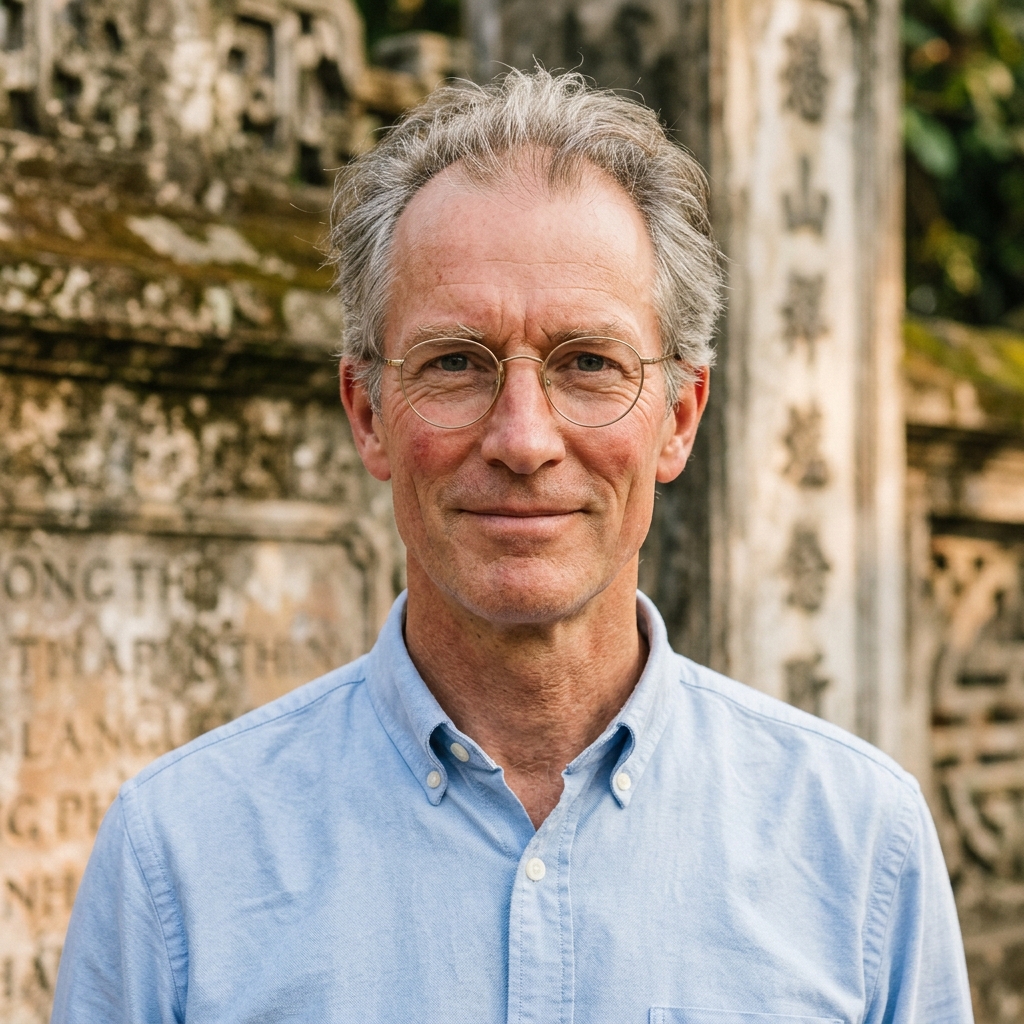
Dr. James Whitford is a British historian specialising in Southeast Asian heritage. He holds a PhD from Cambridge and has lived in Hanoi since 2018. His Ninh Binh field notes are updated quarterly based on on-site visits.
Disclaimer: bestofninhbinh.com is an independent travel guide. Prices, hours, and policies are verified as of Q2/2026 but may change without notice; the one flagged inconsistency (Kenh Ga’s boat fee) reflects a discrepancy on the source page itself, not a typo here. Always confirm current fees at the ticket counter before visiting.