Where to Stay in Hoa Lu, Ninh Binh: Accommodation Near the Ancient Capital (2026)
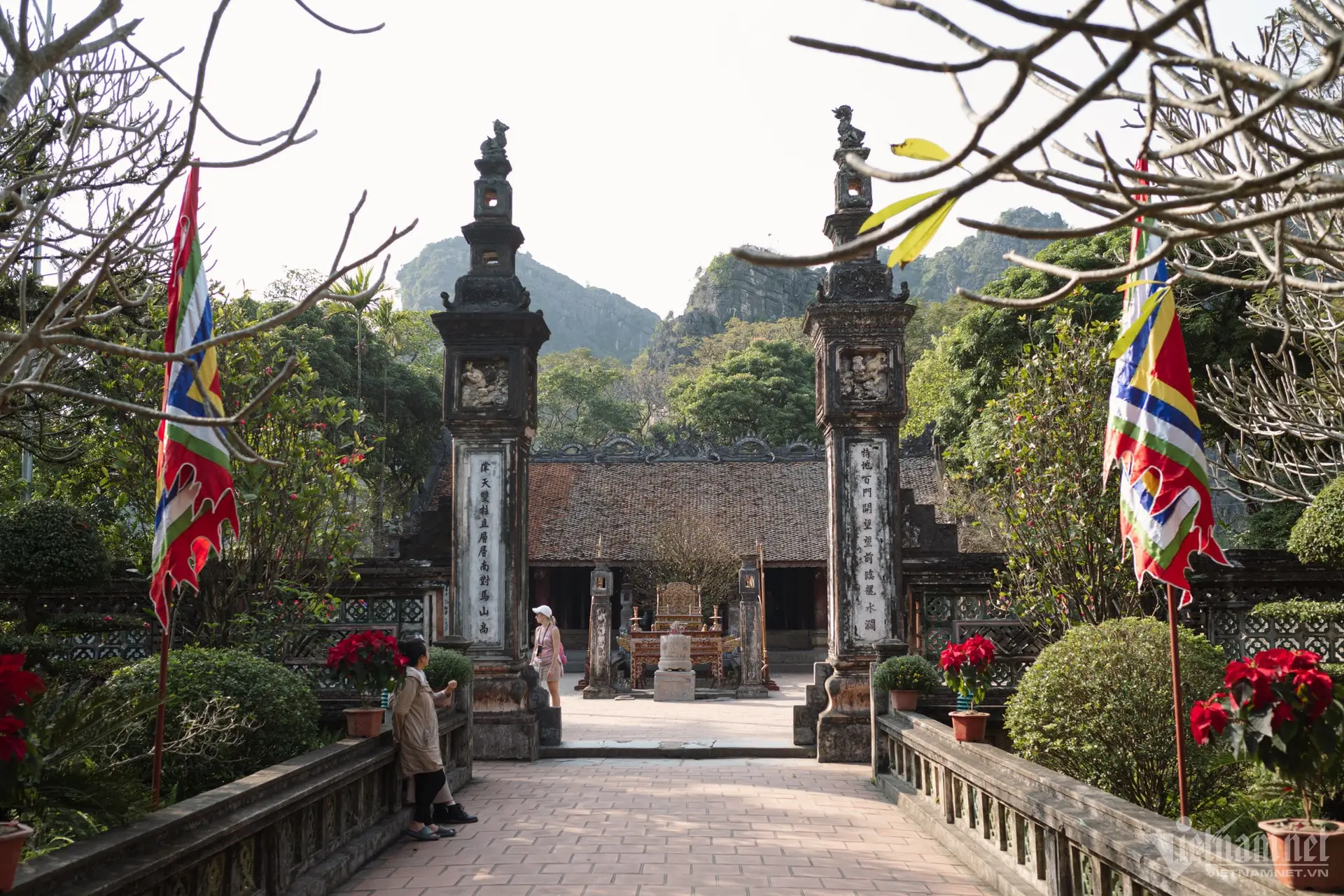
There is a profound, almost palpable resonance to the limestone valleys of Truong Yen commune. As a historian who has spent the better part of a decade parsing through the epigraphic records and topological anomalies of northern Vietnam, I have found few places that evoke the ghosts of the past quite like Hoa Lu. For a brief but immensely consequential period in the 10th and 11th centuries, this natural fortress served as the first imperial citadel of an independent Vietnam, sheltering the Dinh and Early Le dynasties from both internal strife and external northern incursions. Today, while the grand palaces of timber and tile have long since returned to the earth, the very geography remains unchanged. Staying in this area, set within the karstic embraces that once protected emperors, is less a simple matter of booking a room and more an act of historical immersion.
When selecting accommodation near the Hoa Lu Ancient Capital, one is faced with a delightful conundrum. Should you opt for the bustling energy of the newer tourist quarters, or seek refuge in the secluded eco-lodges that dot the rural periphery? In this comprehensive guide, I shall detail my personal recommendations for where to stay in Hoa Lu, examining everything from boutique resorts to characterful homestays. Unlike the more heavily trodden paths near Tam Coc (though you may consult my guide on where to stay in Tam Coc for comparison), Hoa Lu retains a slightly more pastoral, unhurried cadence that I find quite fascinating.
The Strategic Topography of Truong Yen
Before we look more closely at specific properties, it is essential to understand the layout of the land. The ancient citadel was divided into the Inner City, Outer City, and South City, all enclosed by a ring of impenetrable limestone mountains and earthen walls. Modern accommodations are generally scattered around the edges of these ancient demarcations. Staying here means waking up to the same misty peaks that Dinh Tien Hoang gazed upon in 968 AD. The properties here tend to cater to those who appreciate heritage, nature, and perhaps a touch of serenity after a long day of exploring.
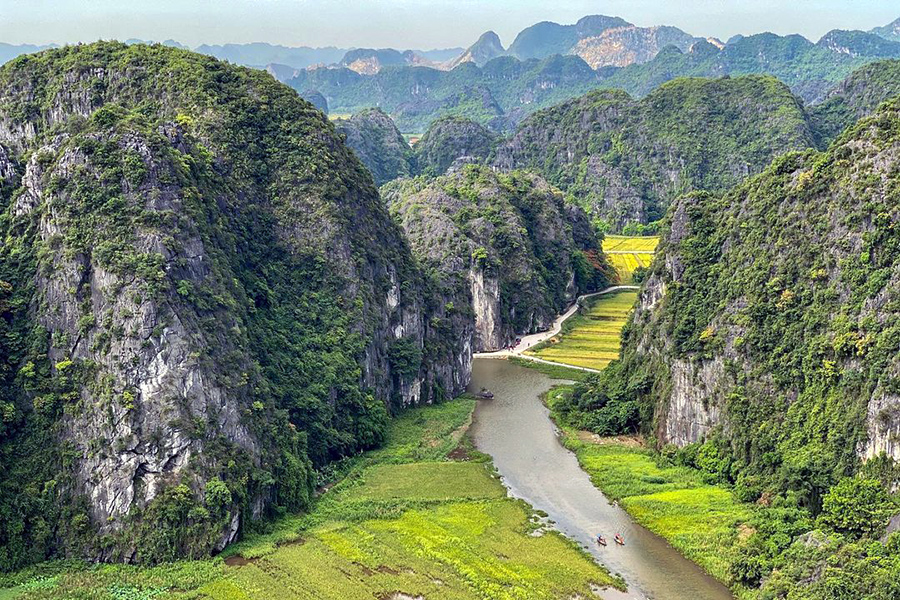
It is worth noting that Hoa Lu is not a singular, tightly packed urban centre. Rather, it is a collection of villages interwoven with waterways and rice paddies. For transport, renting a scooter is highly advisable; you may refer to our Ninh Binh motorbike guide for the practicalities of navigating these winding country lanes. Let us examine some of the finest properties this historical enclave has to offer.
Architectural Resonance: What to Expect from Hoa Lu Lodgings
As an academic whose focus often drifts to the intersection of human settlement and geography, I find the accommodations in Hoa Lu fascinating from a purely structural standpoint. Unlike the imposing, heavily fortified structures of the European Middle Ages, the ancient Vietnamese built in harmony with their environment. Modern lodges and homestays in this region often echo this philosophy. You will frequently encounter heavy use of indigenous materials, bamboo, thatch, and local timber, which not only reduce the ecological footprint but also maintain a visual continuity with the landscape. It is quite fascinating to observe how contemporary architects are reinterpreting the traditional ‘nha gian’ (bay-style houses), utilising high, pitched roofs to facilitate natural ventilation during the humid summer months.
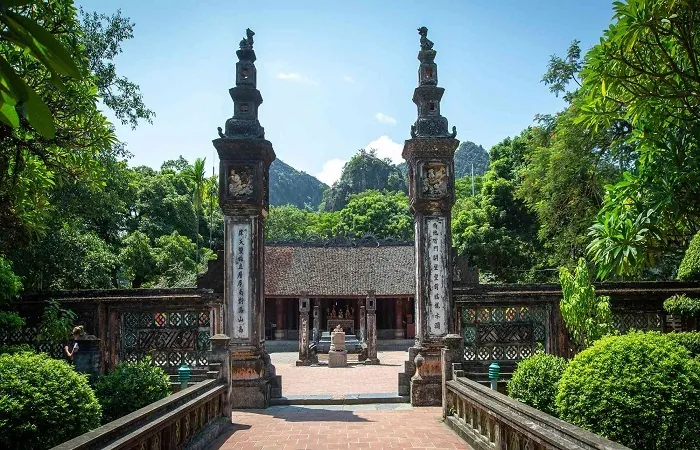
When booking your stay, you might notice that many properties proudly advertise their integration with the surrounding water features. This is no accident. Water has always been the lifeblood of the Red River Delta and its fringes. The ancient capital itself relied on the Hoang Long River for both defense and commerce. Today, waking up to the sound of water gently lapping against the stilts of your bungalow serves as a poignant reminder of this enduring relationship.
Premium Retreats: Echoes of Imperial Splendour
Muong Village Ninh Binh
If one wishes to approximate the rustic grandeur of a bygone era, Muong Village Ninh Binh presents a compelling proposition. Set slightly apart from the main thoroughfare, this property is an exercise in thoughtful vernacular architecture. The buildings borrow heavily from traditional Northern Vietnamese rural design, featuring heavy timber beams, tiled roofs, and open-air pavilions that encourage a continuous dialogue with the surrounding landscape.

I was particularly taken by their attention to spatial flow. The rooms are generously proportioned, often featuring dark, polished woods contrasted against stark white linens and natural stone elements. The central water feature acts as a focal point, much like the communal ponds of ancient villages. It is an excellent base for families or those who require modern comforts without sacrificing a sense of place. The mornings here are spectacular; the mist clings to the nearby karsts, and the only sounds are the rustling of bamboo and the distant hum of village life.
Prices typically range from 1,200,000 to 2,500,000 VND per night, depending on the season and room category. For those interested in securing a reservation, you may browse verified accommodation options to view their current availability and seasonal tariffs.
An’s Eco Garden
For the traveler whose primary objective is ecological immersion, An’s Eco Garden offers a masterclass in sustainable hospitality. Situated in a secluded valley that feels worlds away from the modern era, the property consists of thatched-roof bungalows clustered around a serene lake. As a historian, I appreciate how the layout mimics the decentralized settlements of pre-modern Vietnam, where the boundary between human habitation and the natural world was delightfully porous.
The rooms themselves are studies in understated comfort. Bamboo, rattan, and local textiles feature prominently. The lack of pervasive modern distractions, though Wi-Fi is, thankfully, reliable for one’s academic correspondence, encourages guests to engage with their surroundings. The property also offers excellent proximity to the Trang An Scenic Landscape Complex, making it an ideal staging ground for early morning boat excursions before the crowds descend.
Trang An Retreat
Tucked away in a secluded gorge just a stone’s throw from the ancient citadel’s outer walls, Trang An Retreat operates on a philosophy of quiet luxury. As a historian who frequently requires a tranquil environment to review field notes, I found this property to be an absolute sanctuary. The retreat offers a series of private villas that cascade down a gentle slope towards a pristine swimming pool, all framed by the jagged silhouettes of the Truong Yen mountains.
The culinary offerings here are particularly noteworthy. Rather than relying on generic international fare, the kitchen focuses heavily on elevated regional dishes, sourcing ingredients directly from neighbouring farms. It is a brilliant example of how tourism, when executed thoughtfully, can support and sustain local agricultural traditions. The rooms themselves are vast, featuring expansive glass windows that ensure you are never visually disconnected from the dramatic topography that defines this region.
Heritage Homestays: Authentic Local Living
Trang An Lamia Bungalow
The term ‘bungalow’ in Ninh Binh often denotes a specific style of lightweight, eco-friendly construction, and Trang An Lamia Bungalow is a prime exemplar. What I find most appealing about this property is its synthesis of traditional materials with an undeniably chic, modern aesthetic. The triangular, A-frame roofs are a playful nod to local vernacular, yet the interiors boast air conditioning, crisp linens, and en-suite facilities that meet high international standards.
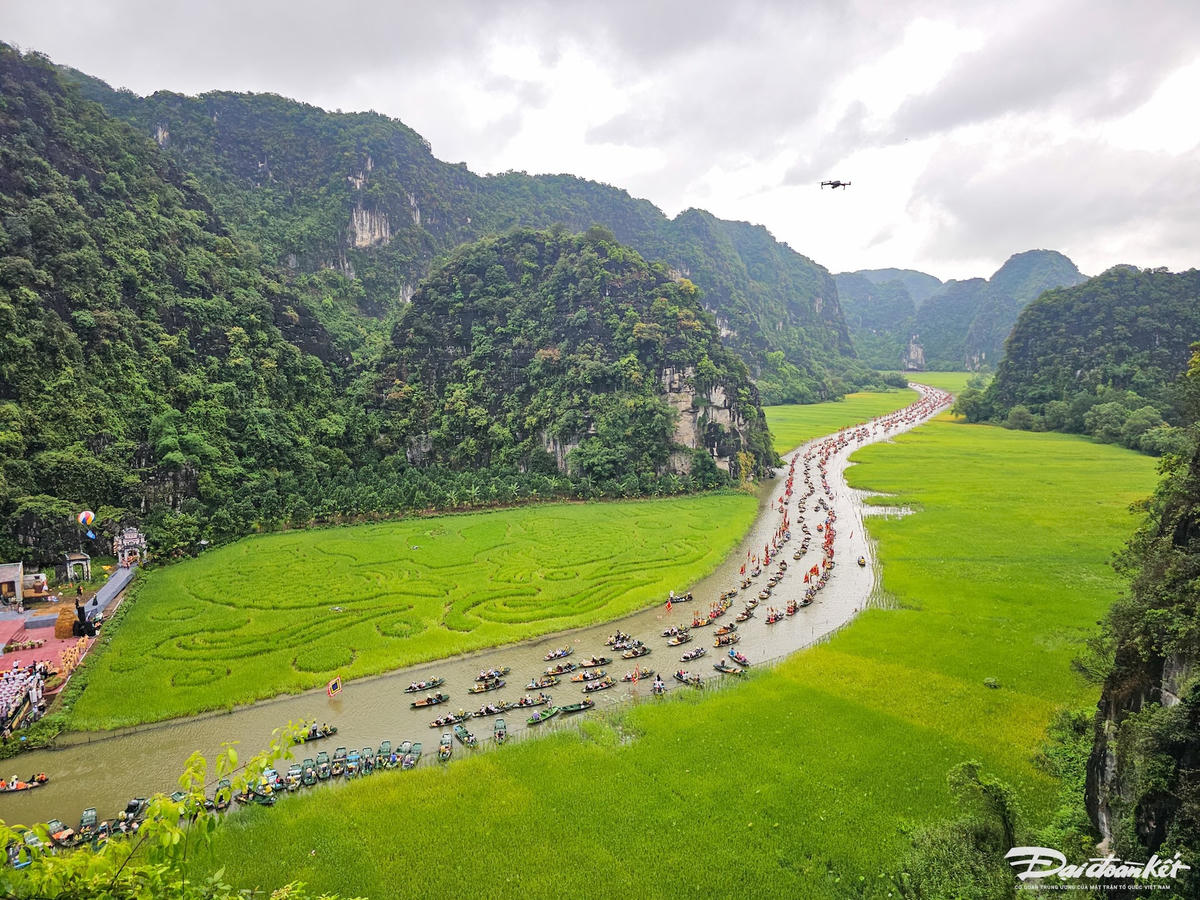
The property is managed by a local family whose knowledge of the region’s hidden corners is nothing short of encyclopaedic. During my last visit, our evening discussions regarding the local folklore of the Truong Yen commune were as illuminating as any academic text. The swimming pool, set against a backdrop of jagged limestone, provides a welcome respite after a day spent climbing the many steps of nearby pagodas. If you are looking to find the best price across multiple platforms, this property frequently offers excellent value for the level of personalized service provided.
Trang An Cozy House
Do not let the modest nomenclature deceive you; Trang An Cozy House is a formidable contender in the realm of authentic hospitality. Here, the experience is less about architectural grandeur and entirely focused on the warmth of familial integration. The host family operates this small-scale homestay with an earnest dedication that I have rarely encountered outside of Vietnam’s rural provinces.
The rooms are simple, immaculately clean, and adorned with subtle touches of local craftsmanship. What truly distinguishes this property, however, is the culinary experience. Breakfasts are communal affairs, featuring steaming bowls of pho or local glutinous rice dishes that provide ample fuel for a day of historical inquiry. It is precisely the sort of establishment I recommend in my broader survey of Ninh Binh bungalows and eco-lodges for those who prioritize human connection over resort amenities.
Convenient Comforts Near the Ancient Town
Heritage Charm Hotel Trang An
For those who prefer the structured reliability of a proper hotel, the Heritage Charm Hotel Trang An is a superb choice. Located closer to the arterial roads connecting Hoa Lu with Ninh Binh City, it offers unparalleled logistical convenience. The architecture here leans towards a neo-colonial aesthetic, with arched windows and deep balconies that provide sweeping views of the surrounding karsts.

The rooms are spacious, well-appointed, and insulated from the noise of the main road. I found the staff to be exceptionally well-trained, anticipating needs with a quiet efficiency that is highly commendable. Its location also allows for rapid deployment to the Dinh and Le Temples at first light, ensuring you can study the intricate stone carvings of the imperial dragon beds before the tour buses arrive. It is an excellent synthesis of modern convenience and historical accessibility.
C’Lau Hotel
Situated nearer to the vibrant heart of the newly developed ancient quarter (often centred around Unicorn Lake), C’Lau Hotel caters to a slightly different demographic. If your evenings demand a measure of liveliness, street food vendors, lantern-lit walkways, and cultural performances, this is your ideal base. The hotel itself is modern, featuring contemporary Vietnamese design motifs and a rooftop terrace that offers a commanding view of the illuminated city below.
While I generally prefer the quietude of the deep valleys, I must concede that the logistical ease provided by C’Lau Hotel is undeniable. One can easily transition from a morning exploring 10th-century ruins to an evening enjoying the comforts of modern Vietnamese urbanity. The contrast is sharp, but intellectually stimulating.
Beyond the Bed: Immersing in Hoa Lu’s Heritage
Securing suitable accommodation is merely the first step in unlocking the secrets of Hoa Lu. To truly appreciate this region, one must engage with its living culture. The landscape here is not merely a museum piece; it is an active, agricultural community that has maintained its traditions for millennia.
I highly recommend dedicating at least half a day to understanding the local gastronomy. The historical diets of this region, heavily reliant on mountain goat, river fish, and foraged herbs, offer a fascinating window into the resourcefulness of the ancient capital’s inhabitants. For a hands-on experience, I suggest enrolling in a local culinary workshop. You can easily arrange a traditional Vietnamese cooking class to learn the precise techniques required to balance the complex flavours of northern cuisine, a skill that serves as a far better souvenir than any trinket.
Timing your visit is also crucial. The early mornings in Hoa Lu, particularly between October and April, are often cloaked in a low-hanging mist that adds a profound sense of mystery to the landscape. I advise my readers to rise before dawn. The temples of Dinh Tien Hoang and Le Dai Hanh take on a solemn, almost melancholic beauty when viewed without the distraction of crowds. Let the history speak to you in the silence.
Concluding Thoughts
Selecting your lodgings in Hoa Lu is a choice between immersion in nature, familial warmth, or modern convenience. Whether you choose the rustic elegance of Muong Village or the strategic comfort of the Heritage Charm Hotel, you will find yourself resting upon ground steeped in imperial history. The karsts that guard these valleys have witnessed the birth of a nation; to sleep in their shadow is a privilege. I encourage you to pack a good pair of walking shoes, a healthy sense of curiosity, and a readiness to be transported to another era. For further logistical preparations, you might find it useful to review our comprehensive Ninh Binh FAQ guide before finalizing your itinerary. Safe travels, and may your historical inquiries prove fruitful.
© 2026 bestofninhbinh.com. All rights reserved. Original research by Dr. James Whitford. First published on bestofninhbinh.com. Unauthorized reproduction prohibited.