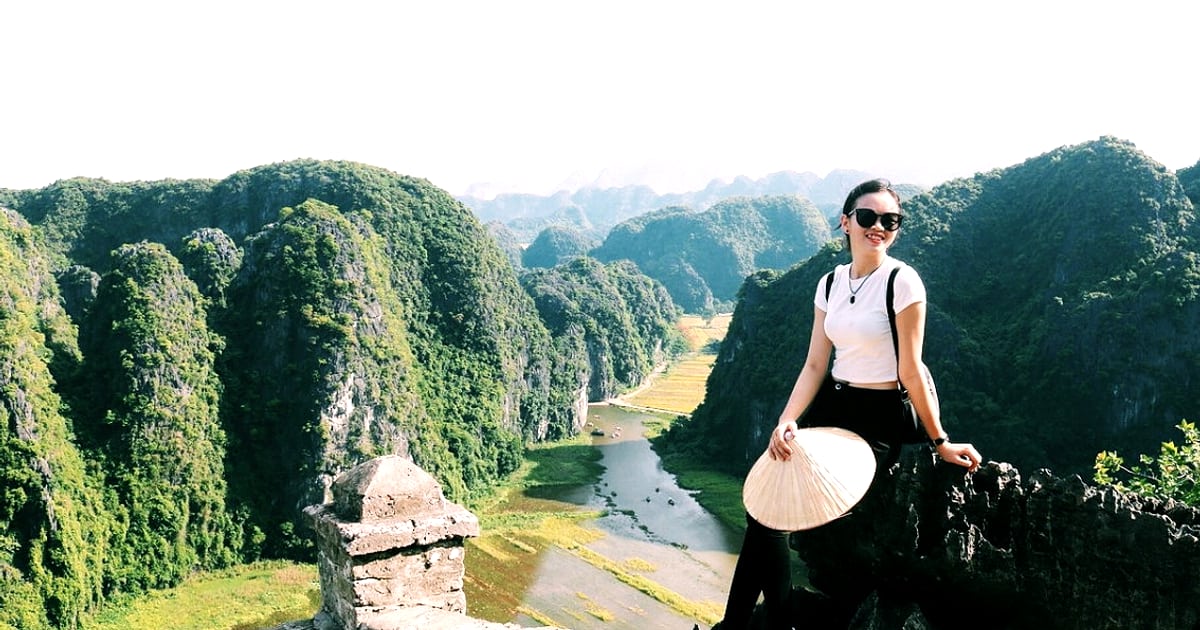
The bungalow, as an accommodation concept in Ninh Binh, occupies a rather specific niche — standalone or semi-detached units set among rice paddies or at the base of karst formations, typically constructed from local materials (bamboo, hardwood, thatch) with varying degrees of commitment to the “eco” prefix. Some genuinely merit the label; others have merely installed a bamboo facade over concrete walls and declared themselves sustainable. This guide distinguishes between the two with, I trust, sufficient candour.
Ninh Binh bungalows appeal primarily to travellers who value atmosphere over amenities — the experience of waking to karst silhouettes rather than an elevator ride to a breakfast buffet. They are not, as a category, luxurious. They are, when well-executed, rather memorable.
At a glance:
- Bungalow/eco-lodge options: 30+ properties across Tam Coc and Trang An areas
- Price range: 400,000–1,200,000 VND ($16–$48)/night
- Best season: September–November (harvest views, mild temperatures)
- Common facilities: Hammock, garden, bicycle, breakfast — rarely pool or AC
- Book 1–2 weeks ahead during peak (May–June, Sep–Oct)
What Distinguishes a Bungalow from a Homestay
The line between “bungalow” and “homestay with detached rooms” is, in Ninh Binh, frustratingly thin. For the purposes of this guide, I classify a bungalow as a standalone accommodation unit with its own entrance, bathroom, and terrace or balcony — physically separate from the main building or family residence. An eco-lodge is a property where the entire concept revolves around environmental design: natural materials, rainwater harvesting, solar panels, organic gardens, or similar commitments that extend beyond mere aesthetics.
The distinction matters because pricing for bungalows typically runs 30–50% above equivalent homestay rooms, and the premium should correspond to genuine privacy and design quality rather than simply a different architectural wrapper around identical facilities.
Best Bungalows in Tam Coc Area
Nguyen Shack Ninh Binh
The original backpacker bungalow in Ninh Binh, established in 2014 when the concept was still novel in the province. Bamboo-and-thatch structures on stilts overlooking a lotus pond, with rice paddies extending to the karst horizon. The rooms are deliberately rustic — mosquito nets, fans (no AC), outdoor showers — which is either charming or inconvenient depending on one’s tolerance for authenticity. The communal dining area serves competent Vietnamese food and facilitates the social interaction that this type of accommodation does well.
| Detail | Info |
|---|---|
| Price | 400,000–600,000 VND ($16–$24)/night |
| Units | 12 bungalows (4 dorm, 8 private) |
| AC | No (fans only) |
| Breakfast | Included |
| Location | 1.5 km from Tam Coc wharf |
| Best for | Solo travellers, couples, backpackers |
Tam Coc Rice Fields Resort — Bungalow Wing
A step above Nguyen Shack in both comfort and price. The bungalow units here feature proper walls (stone and wood rather than bamboo), air conditioning, en-suite bathrooms with hot water, and private terraces facing the paddies. The “resort” designation is slightly generous — there is no pool — but the grounds are well-maintained and the rice field setting is genuine rather than manufactured.
| Detail | Info |
|---|---|
| Price | 700,000–1,000,000 VND ($28–$40)/night |
| Units | 8 bungalows |
| AC | Yes |
| Bathroom | Private, hot water |
| Views | Direct rice paddy + karst |
Ninh Binh Valley Homestay — Garden Bungalows
Six wooden bungalows arranged in a crescent around a vegetable garden, with karst cliffs forming a natural backdrop. The owner, a former Hanoi architect, designed the units with rather more aesthetic care than the typical Ninh Binh offering — clean lines, natural ventilation channels, recycled timber. Each unit has a private hammock terrace. The breakfast incorporates garden vegetables, which is a pleasant touch one rarely encounters at this price point.
| Detail | Info |
|---|---|
| Price | 500,000–800,000 VND ($20–$32)/night |
| Units | 6 |
| Highlight | Architect-designed, organic garden |
| Distance to Tam Coc | 2.5 km |
📚 Historical Note: The bungalow concept in Vietnamese tourism traces to the French colonial hill stations of the 1920s–1930s, where timber pavilions served as retreats from Hanoi’s heat. The modern eco-bungalow trend in Ninh Binh began around 2014, catalysed by backpacker demand and the growing international recognition of Trang An’s UNESCO status. The province now hosts more bungalow-style properties than any other Northern Vietnam destination outside Sapa.
Best Eco-Lodges
Trang An Lamia Bungalow
The closest thing to a genuine eco-lodge in the province. Solar-heated water, rainwater collection for garden irrigation, composting toilets in the garden units (conventional plumbing in the premium units, for those with limits to their environmental commitment). The architecture uses reclaimed wood from demolished traditional houses — a practice that is simultaneously sustainable and culturally preservative. Eight units set along a stream, with the karst formations of Trang An visible from every terrace.
| Detail | Info |
|---|---|
| Price | 600,000–1,200,000 VND ($24–$48)/night |
| Units | 8 (4 standard, 4 premium) |
| Eco features | Solar, rainwater, composting, reclaimed wood |
| Distance to Trang An boats | 3 km |
| WiFi | Common area only (intentional) |
Bungalow Comparison Table
| Property | Price/Night | AC | Private Bath | Views | Eco-Certified | Best For |
|---|---|---|---|---|---|---|
| Nguyen Shack | $16–$24 | ❌ | ✅ | Lotus pond + karst | ❌ | Backpackers |
| TC Rice Fields | $28–$40 | ✅ | ✅ | Rice paddy + karst | ❌ | Comfort seekers |
| NB Valley | $20–$32 | ⚠️ (some) | ✅ | Garden + karst | ❌ | Design lovers |
| Trang An Lamia | $24–$48 | ❌ | ✅/⚠️ | Stream + karst | ✅ | Eco-conscious |
What to Expect (and Not Expect)
A candid assessment of the bungalow experience in Ninh Binh, to calibrate expectations:
| Expect | Do Not Expect |
|---|---|
| Stunning natural setting | Five-star facilities |
| Privacy and quiet | Soundproofing (bamboo walls transmit sound) |
| Memorable photos | Reliable WiFi (often weak or common-area only) |
| Breakfast included | Room service or late-night dining |
| Bicycle access to sites | On-site pool or gym |
| Insects (part of the package) | Hermetically sealed rooms |
The last point bears emphasis. Bungalows in rice paddy settings attract mosquitoes, particularly at dusk. Bring repellent, use the provided mosquito net, and consider this a feature of the setting rather than a deficiency of the property. If insects are genuinely intolerable, a sealed hotel room is the more appropriate choice.
Browse on Booking.com |
Compare on Agoda
Related Ninh Binh Guides
- complete Ninh Binh travel guide
- Tam Coc boat ride guide
- Trang An UNESCO heritage tour
- Ninh Binh budget travel guide
Need transport from Hanoi to your Ninh Binh accommodation? I recommend comparing Hanoi to Ninh Binh transfer options on 12Go for the best schedules and prices.
Frequently Asked Questions
Are Ninh Binh bungalows suitable for families with young children?
Some are, most are not. Open bamboo structures with elevated platforms and unfenced water features pose obvious risks for toddlers. Tam Coc Rice Fields Resort and Ninh Binh Valley offer more enclosed units suitable for families. Always verify the specific unit layout before booking with children under six.
Do bungalows have air conditioning?
Budget bungalows ($16–$25) typically do not — fans and natural ventilation are the norm. Mid-range bungalows ($25–$40) increasingly offer AC units. This matters considerably during June–August when temperatures exceed 35 degrees Celsius and humidity reaches 85%. Book AC-equipped units for summer stays.
Is the “eco” label genuine or marketing?
In most cases, marketing. Of the 30+ properties using “eco” in their name or description, perhaps five implement measurable environmental practices (solar energy, water recycling, organic farming, waste reduction). Trang An Lamia is the most credible example. The remainder use “eco” to mean “surrounded by nature,” which is a geographical fact rather than an environmental commitment.
Some links in this article are affiliate links. We may earn a small commission at no extra cost to you. This helps support our independent research and content.
For further reading: IUCN Red List status of the Delacour langur.