Where to Stay Near Cuc Phuong National Park: Resorts, Lodges and Park Accommodation (2026)
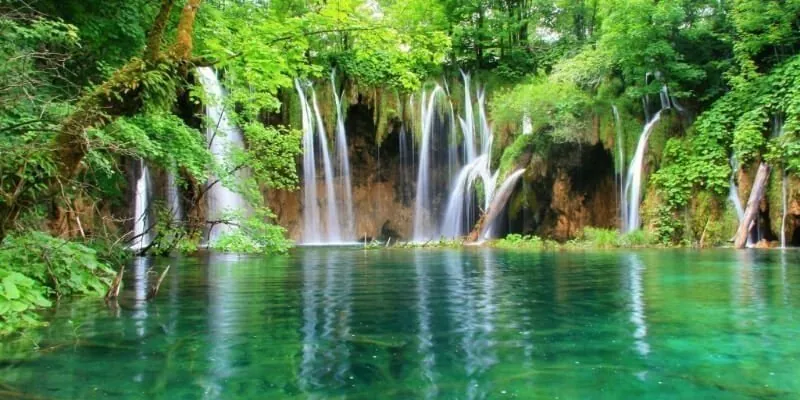
As a historian mapping the rich cultural and natural tapestry of northern Vietnam, I have found that few places evoke the primal majesty of Southeast Asia quite like Cuc Phuong. Established in 1962 by President Ho Chi Minh, this is Vietnam’s oldest national park, a sprawling sanctuary of ancient trees, towering limestone karst ridges, and an astonishing array of endangered biodiversity. Yet, for many visitors making the journey to this remote corner of Ninh Binh province, the central question remains not just what to see, but where to lay one’s head after a long, humid day of traversing the dense jungle trails.
The decision of where to stay when visiting this magnificent rainforest is crucial to the overall experience. Whether you seek the unfiltered, cacophonous sounds of the jungle canopy at dawn, or prefer the luxurious comforts of a modern eco-resort after a muddy trek, the accommodation landscape in and around the park has evolved significantly over the past decade. In this comprehensive guide, I shall delineate the very best options available, from the rustic, government-run lodges managed within the park’s boundaries to the increasingly sophisticated resorts emerging in the neighbouring Nho Quan district.
If you are planning an extensive exploration of the Cuc Phuong National Park, selecting the right base will dictate whether you rise easily to the calls of gibbons in the morning mists or face an hour-long, exhausting commute from the city before your hike has even begun. Let us look more closely at the options, categorised by their proximity to the wilderness and the level of comfort they provide.
Inside the Boundary: Experiencing the Rainforest First-Hand
There is a profound, almost primal thrill to sleeping within the confines of a protected rainforest. The park authorities manage three distinct accommodation clusters directly. While these are by no means luxurious, often favouring utility, durability, and rustic charm over modern conveniences, they offer an unparalleled connection to the environment. I often find that waking up to the chorus of cicadas, the rustling of leaves, and the distant calls of the Endangered Primate Rescue Center residents is an experience that supersedes any thread-count or pillow menu.

The Park Headquarters (Entrance Area)
Situated right at the main gates of the national park, the Headquarters accommodation is perhaps the most practical option for those intending to partake in early morning bird-watching expeditions or the thrilling night-time wildlife spotting tours. The rooms here are pragmatic, ranging from simple standard twins with basic en-suite facilities to larger, communal traditional stilt houses (nha san) designed primarily for student groups, researchers, and large families.
Staying here means you are mere steps away from the visitor centre, the museum, and, most importantly, the primary conservation enclosures. It is quite fascinating to be so close to the ongoing conservation efforts; you can often hear the langurs and gibbons from your room. The facilities are spartan, do not expect high-speed internet, minibar access, or opulent dining, but the immersion is absolute. If you are looking for slightly elevated comfort just beyond these gates, I recommend checking availability here.
Mac Lake (Ho Mac)
Approximately 1.5 kilometres from the headquarters, tucked away down a shaded, winding road, one finds the Mac Lake accommodation zone. Set around a serene, man-made body of water, this area offers a slightly more secluded and romantic atmosphere compared to the bustling headquarters. The lodgings here include private bungalows and traditional stilt houses set under the canopy.
In the evenings, the mist rolling off the lake against the backdrop of the dense jungle is a scene straight from a nineteenth-century explorer’s journal. The isolation here is both its greatest asset and its primary challenge; dining options are strictly limited to the on-site canteen, which serves hearty but simple Vietnamese fare, mostly consisting of rice, seasonal vegetables, and locally sourced proteins. However, for those seeking solitude and the chance to observe nocturnal insects, frogs, and the occasional civet, it is a splendid choice.
The Park Centre (Bong Sub-centre)
Located some 20 kilometres deep into the forest, at the very end of the navigable, single-lane road, the Bong Sub-centre is reserved for the truly adventurous. This is the starting point for many of the park’s most famous and arduous trails, including the hike to the thousand-year-old Ancient Tree (Cay Cho Chi) and the trek to the isolated Muong ethnic village.
Accommodation here is the most basic of all the park’s offerings, consisting of simple concrete rooms and a communal dining hall. Electricity can be intermittent, often running on generators that are switched off late at night. Yet, to sleep deep within the primary forest, entirely removed from any semblance of urban life or cellular reception, is a rare privilege. It forces a digital detox and a profound connection with the ancient rhythms of the forest.
Eco-Resorts and Comfort in Nho Quan District
For those who prefer a comfortable bed, reliable climate control, and perhaps a swimming pool to ease muscles weary from hiking, the area immediately surrounding the park in Nho Quan district has seen a delightful emergence of eco-lodges and resorts. These properties bridge the gap between wilderness exploration and holiday relaxation, providing a sanctuary of comfort on the jungle’s edge.
Wyndham Grand Vedana Ninh Binh Resort
Standing in stark contrast to the rustic park lodgings is the Wyndham Grand Vedana. This sprawling, ambitious resort is located just a short drive from the park gates. Its architecture is quite remarkable, heavily featuring intricate bamboo structures that reflect traditional Vietnamese building techniques while offering decidedly modern luxury.
The resort features vast villas, many with private plunge pools, a massive central bamboo restaurant that is a marvel of organic engineering, and expansive thermal pools. After a day of humid jungle trekking, the contrast of returning to high-end luxury is striking and welcome. It is an ideal base for families or those who wish to combine their exploration of Cuc Phuong with genuine relaxation. If this style of accommodation appeals to you, you may wish to explore more Ninh Binh bungalows and eco-lodges across the province.
Cuc Phuong Resort & Spa
Situated merely two kilometres from the national park entrance, the Cuc Phuong Resort & Spa has long been the standard-bearer for comfortable accommodation in this specific area. The resort is set amidst lush, meticulously maintained gardens and features mineral mud baths and hot spring pools, a wonderful, therapeutic remedy for the fatigue of the trail.
The rooms are spacious, blending local materials with modern amenities. I have found their restaurant to serve excellent regional specialities, particularly the locally sourced mountain goat (de nui) and fresh bamboo shoots gathered from the surrounding hills. It provides a highly convenient launchpad for park excursions without sacrificing the comforts and service expected of a four-star establishment.
The Loli Hill Homestay
For a more intimate, boutique experience that doesn’t compromise on comfort, The Loli Hill Homestay represents the charming middle ground. Offering a collection of well-appointed, cozy bungalows set around a lovely, clear swimming pool, it captures the essence of a tranquil countryside retreat rather than a sprawling resort.
The hosts at Loli Hill are incredibly welcoming, providing home-cooked meals that showcase the best of regional home-style cooking, along with valuable local insights regarding trail conditions and hidden spots. Properties like Loli Hill are perfect for travellers who want a personal touch and a peaceful environment, avoiding the scale of the larger resorts while offering far more comfort than the in-park guesthouses. When booking smaller, popular properties like this, you can find the best price across multiple platforms using our recommended search tools.
Alternative Bases: Tam Coc and Trang An
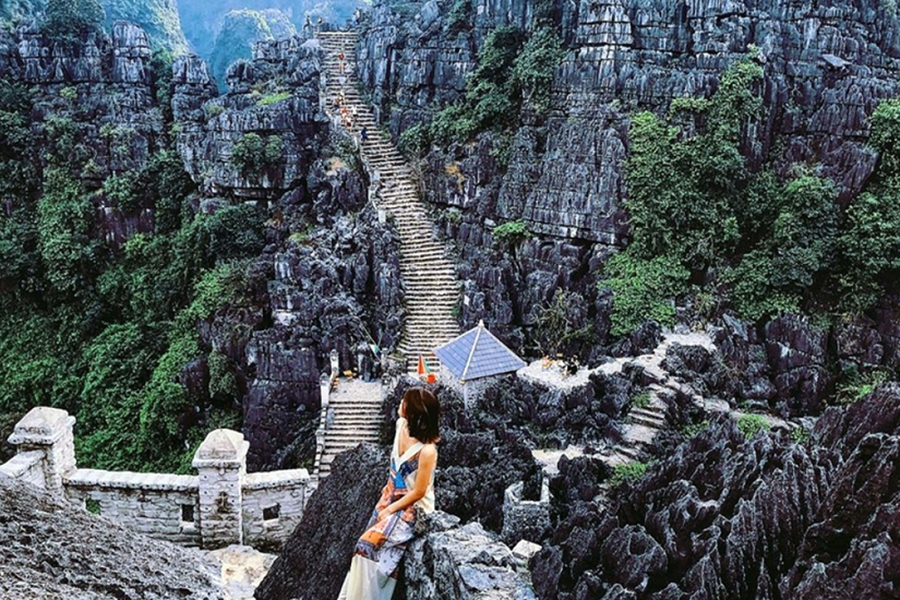
It is worth noting that you are not strictly required to sleep in Nho Quan to visit Cuc Phuong. Many travellers choose to base themselves in the more developed tourist hubs of Ninh Binh and take a day trip to the park. The drive from Tam Coc to Cuc Phuong takes approximately one hour to 90 minutes, passing through incredibly scenic countryside.
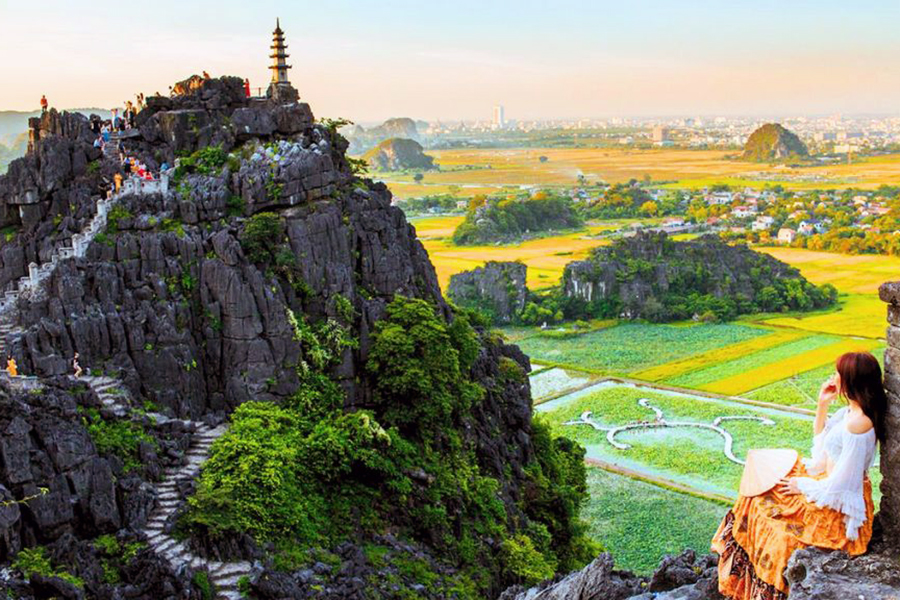
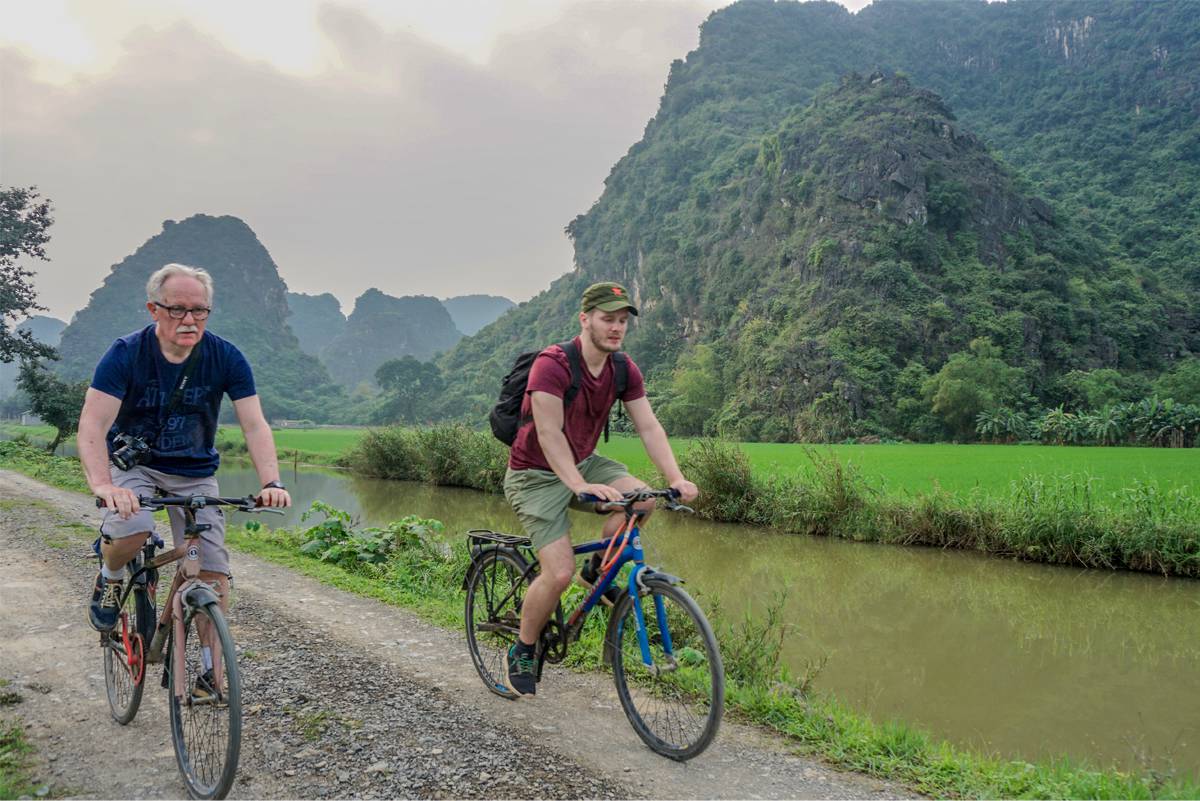
If your itinerary is heavily focused on boat tours and cycling through rice paddies, staying in Tam Coc might be preferable. There are countless homestays and boutique hotels set among the karst peaks there. However, if your primary goal is to hike the longer trails in Cuc Phuong, or to partake in the early morning bird-watching (which requires being on the trail by dawn), the commute from Tam Coc will be exhausting. In such cases, staying closer to the park is highly advisable.
Enhancing Your Rainforest Itinerary
When planning your stay, it is wise to consider how Cuc Phuong fits into your broader Ninh Binh itinerary. While the park requires at least a full day (and preferably a night) to appreciate properly, you will likely also be visiting the aquatic, subterranean landscapes of the Trang An Scenic Landscape Complex or the historical ruins of the Hoa Lu Ancient Capital during your time in the province.
If you are short on time, or if navigating the logistics of a remote national park seems daunting, it may be prudent to book a comprehensive guided experience. For an excellent, well-organised excursion that includes transport from Ninh Binh city or Hanoi, expert English-speaking guides, and all entrance fees, I highly recommend checking out these Cuc Phuong guided tours. These tours often bundle a jungle trek, a local lunch, and a thorough visit to the Turtle Conservation Center and Primate Rescue Center seamlessly.
One must also carefully consider the season when booking. Exploring the rainforest during the Ninh Binh rainy season (typically May to September) requires serious preparation. The trails can be treacherous, mud is ubiquitous, and leeches are highly prevalent. In such humid, damp conditions, staying in a comfortable, climate-controlled nearby resort rather than a damp park guesthouse might prove to be a remarkably sound decision. Conversely, the dry season (November to April) makes the deeper park lodgings far more appealing, as the temperatures drop and the trails dry out.
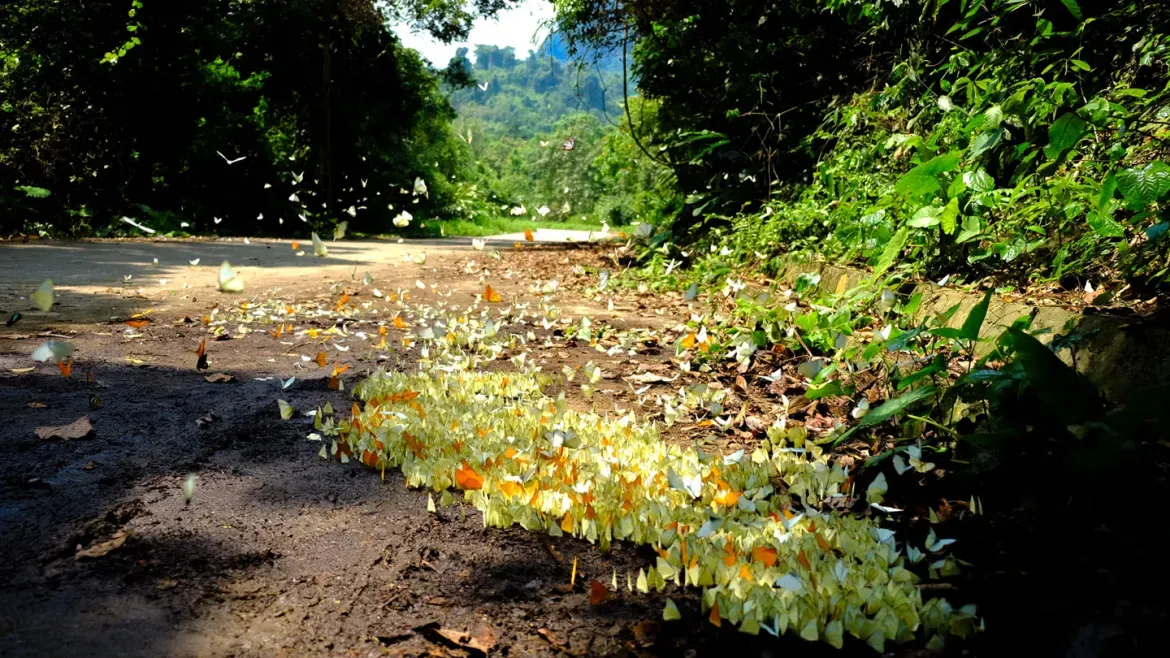
Late April and early May bring the famous butterfly season to Cuc Phuong, where millions of butterflies fill the forest paths. During this time, accommodation both inside the park and in the surrounding Nho Quan district reaches peak capacity. Booking well in advance is absolutely crucial if you wish to witness this natural spectacle without having to commute from afar.
Practical Advice for Booking
Booking accommodation directly inside the park often requires a phone call or an email to the park headquarters, as their presence on major Western booking engines can be inconsistent and sometimes unreliable. It requires a bit of patience, but the reward of sleeping in the jungle is worth the effort.
For the resorts and homestays outside the gates, however, online booking is highly recommended and straightforward. The Nho Quan district remains delightfully uncrowded compared to the bustling Tam Coc area, offering a more serene, pastoral vibe.
Overall, the ancient, brooding forests of Cuc Phuong offer a travel experience quite unlike anything else in northern Vietnam. It is a place of profound ecological importance and striking natural beauty. Whether you choose the rustic authenticity of Mac Lake, the luxurious bamboo halls of Vedana, or the quiet charm of a local homestay, your time spent in the shadow of these ancient trees will undoubtedly be a highlight of your journey. Plan carefully, respect the fragile ecosystem, and prepare for an unforgettable encounter with Vietnam’s magnificent natural heritage.