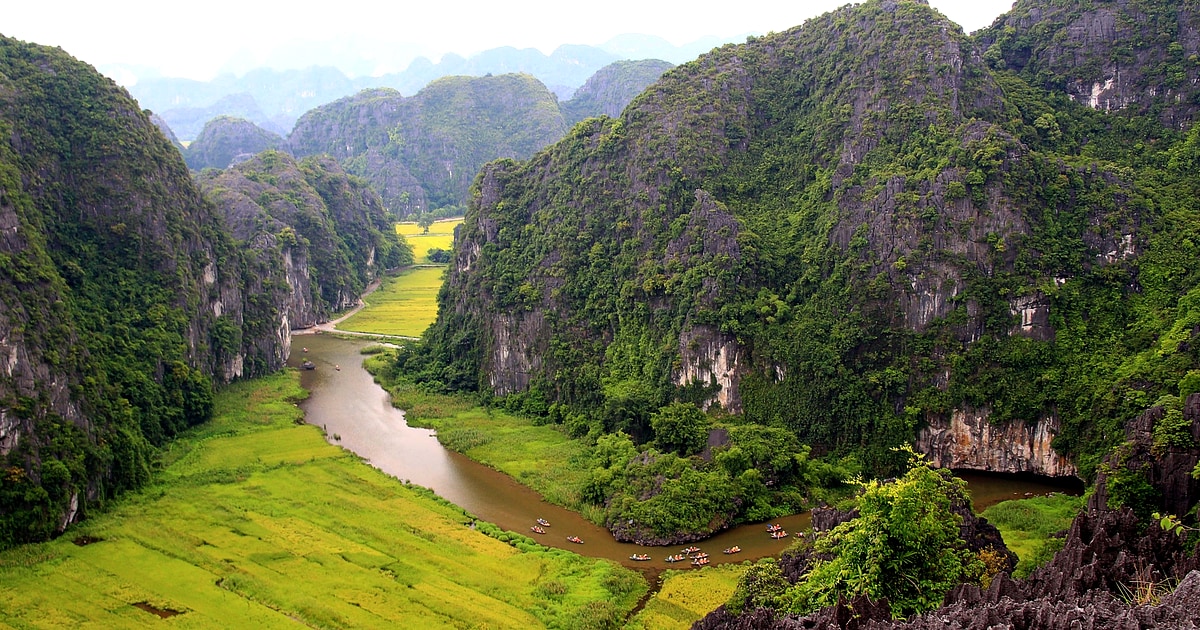
For approximately three weeks each year — typically late June through mid-July, though the timing shifts with rainfall patterns — the ponds, canals, and flooded rice paddies of Ninh Bình province erupt into fields of pink and white lotus blossoms that transform the karst landscape into something approaching the implausible. The Ninh Binh lotus season is a genuine natural spectacle, not a tourist construct, and understanding when and where to witness it requires rather more specificity than most travel guides provide.
At a glance:
- Ninh Binh lotus season: Late June to mid-July (peak bloom approximately 2–3 weeks)
- Best locations: Bích Đông Road lotus ponds, Tam Coc pier area, Hoa Lư approach road
- Best time of day: 05:30–08:00 (flowers open at dawn, close by midday in heat)
- Photography: Morning golden hour + lotus = the province’s most photogenic combination
When Is Lotus Season in Ninh Binh?
The Ninh Binh lotus season depends on water levels and temperature — lotus requires flooded conditions and sustained warmth above 25°C to bloom. In typical years, the sequence is:

| Period | Stage | Photography Value |
|---|---|---|
| Early June | Buds appearing, leaves expanding | ★★☆☆ |
| Mid-June to early July | Full bloom — peak Ninh Binh lotus season | ★★★★★ |
| Mid to late July | Seed pods forming, petals dropping | ★★★☆ (different aesthetic) |
| August | Lotus largely finished, seed harvest | ★★☆☆ |
Best Lotus Viewing Locations
Bích Đông Road Lotus Ponds
The dedicated lotus ponds along Bích Đông Road — between Tam Coc accommodation and Bích Đông pagoda — produce the most concentrated blooms. The ponds are cultivated specifically for lotus, meaning the density of flowers per square metre exceeds natural growth. For photographers, these ponds offer foreground lotus with karst mountain backgrounds — the definitive Ninh Binh lotus season composition.

Tam Coc Pier Wetlands
The marshy areas surrounding the boat pier support wild lotus growth that blooms slightly later than the cultivated ponds (typically peaking in early July). The advantage is the combination of lotus, river, and boat activity — a more dynamic scene than the static pond compositions. Morning boats departing through lotus-lined channels during peak season produce images of considerable beauty.
Hoa Lư Approach Road
The 3 km road between the main highway and Hoa Lư Ancient Capital passes extensive lotus fields that are less visited than the Tam Coc equivalents. The lotus here grows in agricultural ponds — cultivated for seeds and roots rather than aesthetics — which means larger fields and a more rural, working-landscape atmosphere. Combine with a morning visit to the Đinh and Lê temples.
Lotus Photography Tips
- Timing: Lotus flowers open at dawn and begin closing by 10:00–11:00. Arrive at 05:30 for the best light and fully open blooms during Ninh Binh lotus season
- Lens: A 70–200mm isolates individual blooms against karst backgrounds. A 24–70mm captures wide field-of-lotus compositions
- Position: Low angles from pond edges create reflections. Most ponds have raised paths between them — position yourself at water level
- Dress: Wear shoes you can get wet — the best compositions require stepping to pond edges
- Vietnamese visitors: Lotus season attracts áo dài (traditional dress) photography sessions, particularly on weekends. These add cultural context to landscape shots
Beyond Photography: Lotus in Vietnamese Culture
The lotus (hoa sen) is Vietnam’s national flower, symbolising purity and resilience — growing from mud to produce beauty, a metaphor the Buddhist tradition employs extensively. In Ninh Bình, lotus has practical applications beyond aesthetics: seeds are eaten fresh or dried, roots are used in soups and stir-fries, and leaves wrap sticky rice for steaming. The food guide covers lotus-based dishes available during the season.
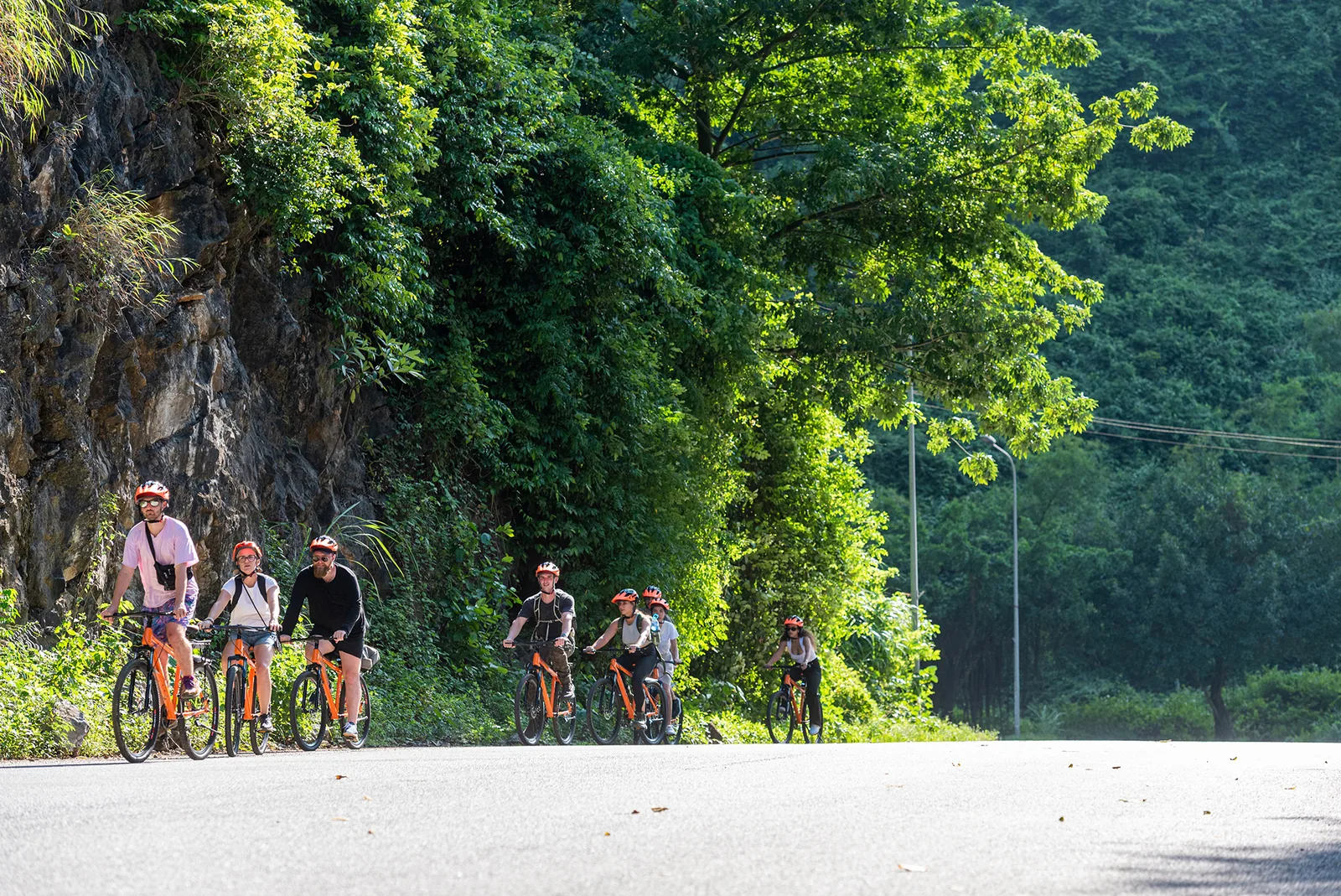
For visitors whose travel timing coincides with the Ninh Binh lotus season, the experience requires nothing more than a bicycle, an early alarm, and the willingness to be present in a landscape that has been producing this spectacle for considerably longer than anyone has been photographing it.
This article contains affiliate links. When you book through our partner links, we may earn a small commission at no additional cost to you. This supports our continued research across Ninh Bình province.
📌 Book this experience:
Check Ninh Binh tours on Klook | Browse on Klook
Some links are affiliate links. We earn a small commission at no extra cost to you.
Related: Best Time to Visit | Photography Guide | Cycling Guide
For further reading: the karst landscape formation process.
To arrange your visit with reliable transport, I recommend that you browse Ninh Binh seasonal tours on 12Go for verified schedules and e-ticket booking.
Frequently Asked Questions
When is lotus season in Ninh Binh?
Lotus blooms in Ninh Binh reach peak flowering from late May through July, with the most photogenic displays occurring in the first three weeks of June. The primary lotus viewing areas are the ponds along the road between Tam Coc and Bich Dong and the dedicated lotus fields near Hang Mua, where pink and white varieties create dense carpets across the waterways.
What makes Ninh Binh’s lotus season special compared to other regions?
While lotus blooms occur throughout Vietnam’s northern provinces, Ninh Binh’s unique karst backdrop transforms the scene into what photographers regularly describe as the country’s most compositionally striking lotus setting. The juxtaposition of delicate pink blooms against 250-million-year-old limestone towers creates a visual contrast unavailable at Hanoi’s West Lake or other popular lotus destinations.
What is the best time of day to see lotus flowers in Ninh Binh?
Lotus blossoms open with the first light, typically between 5:30-6:00 AM, and begin closing by early afternoon as temperatures rise. The window from 6:00-8:00 AM combines open blooms with low-angle light ideal for photography, while local women harvesting lotus for tea production during these early hours contribute an additional cultural layer to the scene.