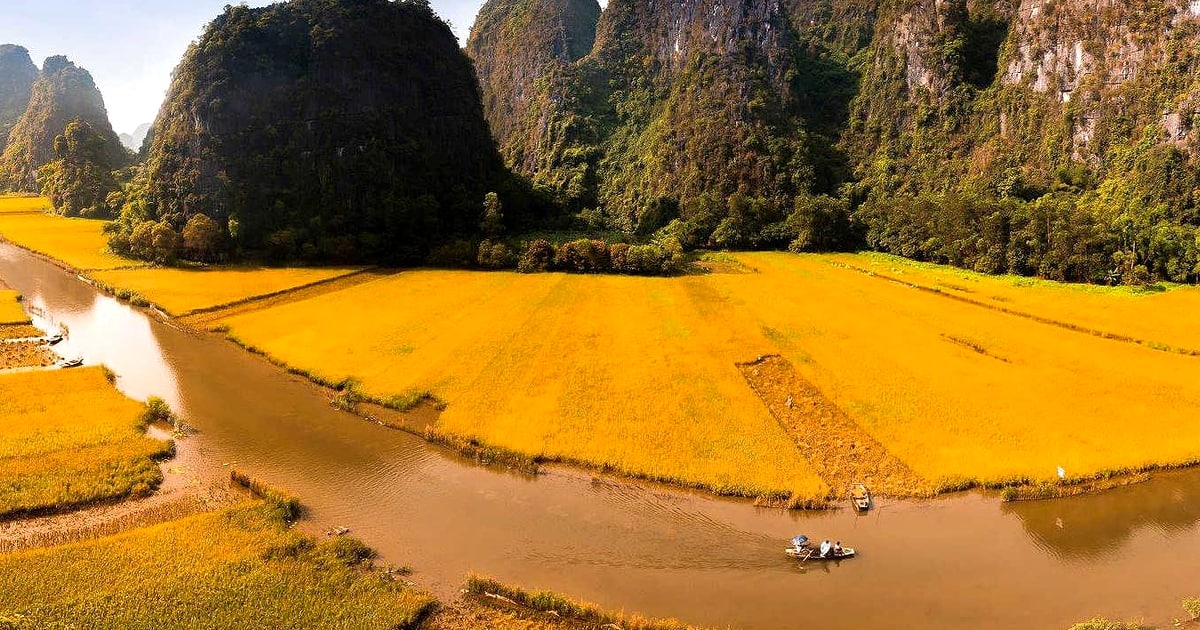
The Sông Đáy — Day River — has been flowing through Ninh Binh province for rather longer than anyone has been writing travel guides about it: approximately 3 million years, give or take a geological epoch. Yet until the 2024 tourism development initiative, this 240-kilometre waterway remained almost entirely absent from visitor itineraries, overshadowed by the more photogenic (and more aggressively marketed) Tam Coc and Trang An boat routes.
The new day river ninh binh scenic waterway, launched in phases since late 2024, connects the historical core of Hoa Lu Ancient Capital to the coastal wetlands of Kim Son district — a route that traverses the full ecological gradient of the province, from limestone karst to mangrove estuary.
At a glance:
- Total route: 35 km (Hoa Lu to Kim Son coast)
- Tourist section: 12 km (Hoa Lu to Gia Vien, the most scenic segment)
- Duration: 2–3 hours for the tourist section
- Boat types: Traditional sampan (4 pax) or motorised launch (12 pax)
- Price: 200,000 VND/person (sampan) or 150,000 VND/person (group launch)
- Best time: October–April (dry season, calm water)
The Route: Hoa Lu to Gia Vien
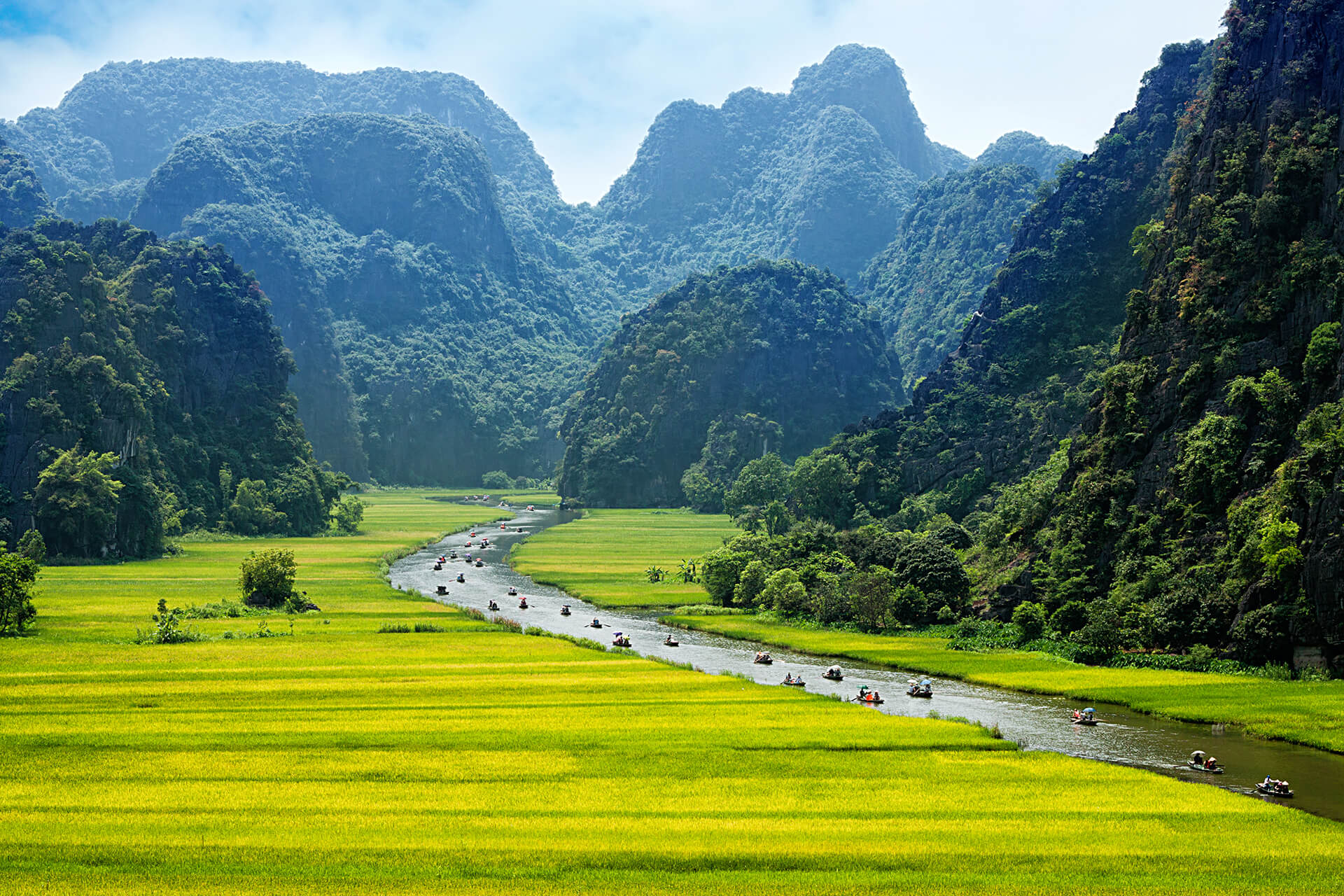
The 12-kilometre tourist section begins at a newly constructed wharf 2 kilometres south of the Hoa Lu Ancient Capital temples. The departure point is deliberate — the route passes directly beneath the limestone walls that once formed the natural fortifications of Vietnam’s first unified capital.
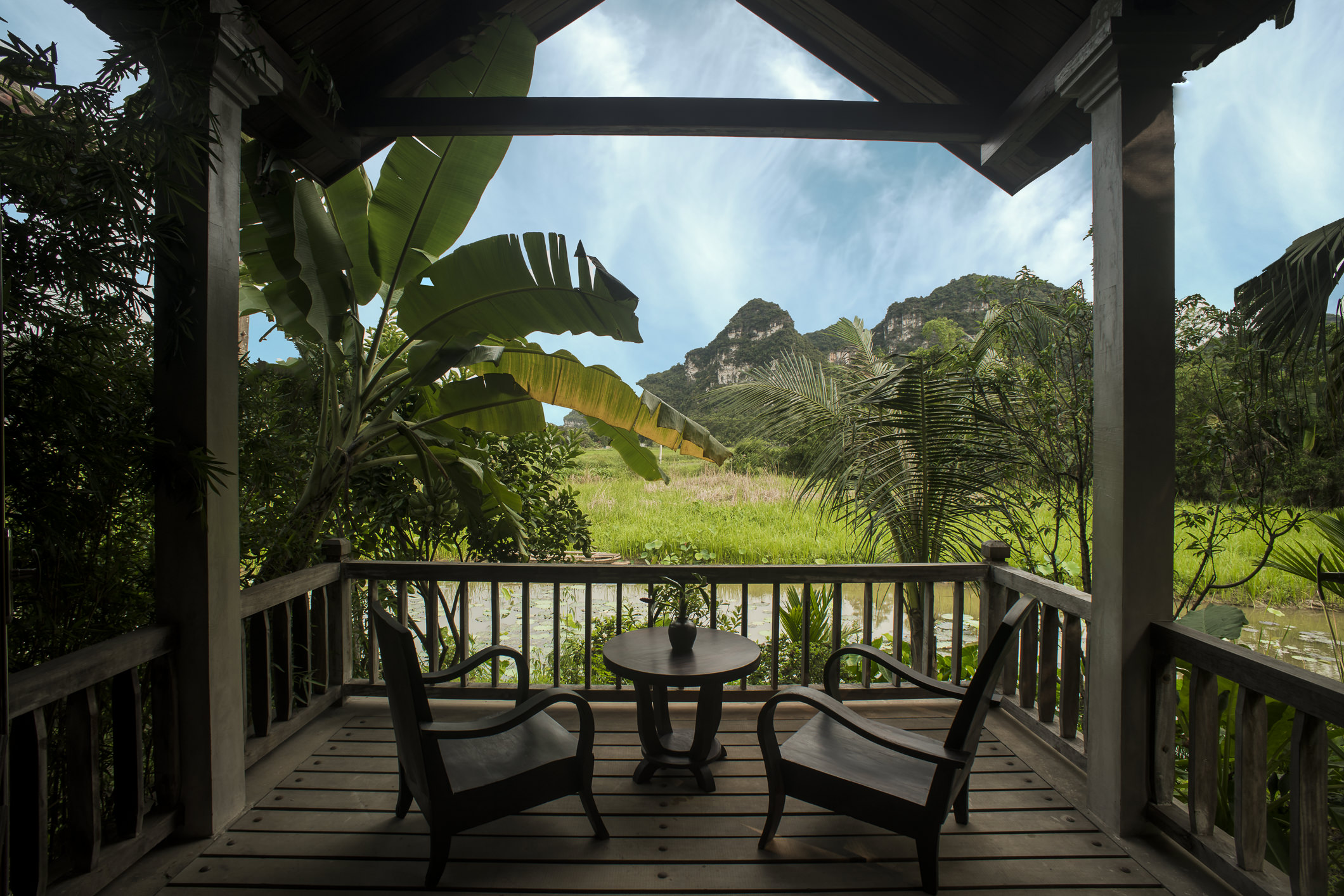
The journey divides into three distinct landscape zones:
| Section | Distance | Landscape | Highlights |
|---|---|---|---|
| Hoa Lu Gorge | 0–4 km | Narrow karst channel | 300m limestone walls, cave mouths, historical fortification remains |
| Gia Hung Valley | 4–8 km | Open valley, rice paddies | Village life, water buffalo, traditional fishing |
| Gia Vien Wetland | 8–12 km | Marsh, reed beds | Birdlife, lotus ponds (June–August), rice paper village |
📚 Historical Note: The Day River served as Đinh Bộ Lĩnh’s primary supply route during the 960s, connecting Hoa Lu to the agricultural lowlands. Military historians have noted that the narrow gorge section — where the river passes between 300-metre limestone walls — would have been essentially impregnable to waterborne assault, explaining why the first Vietnamese capital was sited precisely here.
Boat Options and Booking
- Traditional sampan (recommended): Hand-rowed, 4 passengers maximum. Silent progress through the gorge section provides the atmospheric superiority that motorised boats, by definition, cannot. 200,000 VND/person, 2.5 hours.
- Motorised launch: 12 passengers, faster but noisier. 150,000 VND/person, 1.5 hours. Better for those with limited time.
- Sunset trip: Departure at 16:00, arrives Gia Vien at dusk. The gorge section in late afternoon light is, without overstating the matter, rather fine. Same pricing, advance booking required.
Booking: Direct at the Hoa Lu wharf (cash only) or through Ninh Binh hotels. No online booking system yet — a limitation that, while inconvenient, at least ensures the route remains uncrowded.
How to Combine with Other Sites
The day river ninh binh route pairs naturally with two nearby attractions:
- Morning: Hoa Lu Ancient Capital temples (2 hours) → Lunch at Gia Vien rice paper village → Afternoon: Day River boat (2.5 hours)
- Alternative: Day River morning boat → Cycle to Bai Dinh Pagoda (8 km) → Return to Ninh Binh
Transport back from Gia Vien to Ninh Binh: Grab motorbike (50,000 VND, 20 minutes) or pre-arranged hotel pickup.
📌 Book this experience:
Check Ninh Binh boat tours on Klook | Browse on Klook
Some links are affiliate links. We earn a small commission at no extra cost to you.
For travelers looking to arrange river tours and waterway cruises in advance, I have found that you can compare Day River boat tours on 12Go with verified operators and instant confirmation.
FAQ
What is the Day River waterway in Ninh Binh?
A new scenic boat route along the Sông Đáy connecting Hoa Lu Ancient Capital to Gia Vien district. The 12 km tourist section passes through limestone gorges, rice valleys, and wetlands. Launched 2024, it offers a quieter alternative to Tam Coc and Trang An.
How much does the Day River boat tour cost?
Traditional sampan: 200,000 VND/person (2.5 hours, 4 passengers). Motorised launch: 150,000 VND/person (1.5 hours, 12 passengers). Sunset trips available at same price with advance booking.
How do you get to the Day River departure point?
The wharf is 2 km south of Hoa Lu Ancient Capital, 14 km from Ninh Binh city centre. Access by bicycle (30 min), motorbike (15 min), or Grab (50,000 VND). No public bus service to the wharf.
Disclosure: Some links in this article are affiliate links. If you book through them, we earn a small commission at no extra cost to you.
For further reading: official visitor info from vietnam.travel.
Frequently Asked Questions
What is the significance of the Day River to Ninh Binh?
The Day River (Song Day) stretches 240 kilometers from its source in Hoa Binh Province to the Gulf of Tonkin, serving as Ninh Binh’s primary waterway and the geological sculptor of the province’s karst landscape over millions of years. Historically, the river functioned as a strategic defense corridor for the Dinh and Le dynasties at Hoa Lu, and its seasonal flooding still nourishes the rice paddies that create Tam Coc’s celebrated emerald vista.
Can visitors take boat trips on the Day River?
While Tam Coc and Trang An attract the majority of boat tourists, the Day River section near Kenh Ga Floating Village offers a less-visited alternative where wooden sampans navigate through limestone corridors at approximately 100,000 VND per person. The 2-hour Kenh Ga route follows the river past hot spring outlets and stilt-house fishing communities that have occupied these banks for generations.
What wildlife can be observed along the Day River?
The Day River corridor through Ninh Binh supports populations of kingfishers, cormorants, and white egrets that hunt the shallow limestone pools, while the Van Long section shelters the Delacour’s langur — one of the world’s 25 most endangered primates. The river’s fish diversity sustains the traditional cormorant fishing practices still performed by elderly villagers along quieter stretches.