
Is Ninh Binh worth visiting? Yes — and I say this as someone who has lived in Hanoi since 2018 and visited Ninh Binh province more than 120 times across all seasons, weather conditions, and states of personal enthusiasm. The province holds a UNESCO World Heritage Site that received 3.8 million visitors in 2025, Vietnam’s first imperial capital dating to 968 AD, and a landscape of karst towers and rice paddies that costs roughly $25–$40 per day to explore. The question strikes me as roughly equivalent to asking whether the British Museum has anything interesting in it.
Accessibility reinforces the case: reaching Ninh Binh takes just 2 hours from Hanoi by train, bus, or private car.
The single strongest argument in Ninh Binh’s favour is the only mixed UNESCO World Heritage Site in mainland Southeast Asia.
At a Glance — Ninh Binh Quick Facts
| Detail | Information |
|---|---|
| UNESCO Status | Trang An Landscape Complex — mixed World Heritage Site (2014) |
| Distance from Hanoi | 93 km south (2 hours by bus/train) |
| Daily Budget | $25–$40 (budget), $60–$100 (mid-range), $120+ (comfort) |
| Best Time | Oct–Nov (dry, mild) or Feb–Apr; golden rice late May–Jun |
| Days Needed | Minimum 2, ideal 3–4 |
| Language | Vietnamese; English limited outside hotels |
| Safety | Very safe; main risks: motorbike traffic, sun, pier scams |
| Annual Visitors | 7.2 million total; 18% international (Q1/2026 statistics) |
7 Reasons Ninh Binh Is Worth Visiting in 2026
1. A UNESCO World Heritage Site That Costs $10 to Experience
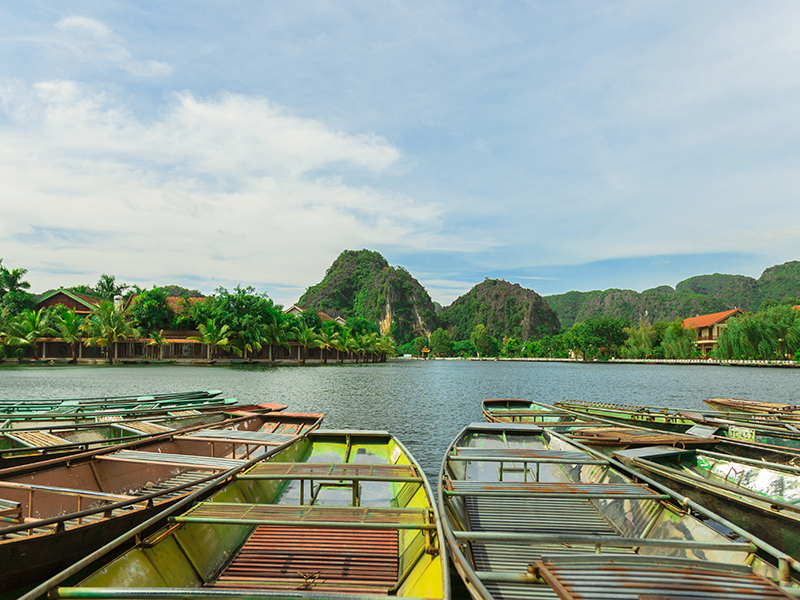
The Trang An boat tour passes through 9 cave passages over 2–2.5 hours for 250,000 VND ($10). Trang An is one of only 38 mixed UNESCO World Heritage Sites worldwide — recognised for both natural and cultural heritage. The archaeological record spans 30,000 years of continuous human habitation. By comparison, a day cruise in Ha Long Bay (also UNESCO) starts at $80 and typically runs to $200. The value proposition is not subtle.

2. Vietnam’s First Imperial Capital — 1,058 Years of History
The Hoa Lu Ancient Capital is where Dinh Bo Linh unified Dai Co Viet in 968 AD, choosing this karst-ringed valley precisely because the limestone walls formed a natural citadel. The 300-hectare site predates Angkor Wat by roughly 150 years. Entry costs 20,000 VND ($0.80) — less than a cup of coffee in Hanoi. I have spent entire mornings examining the Dinh Temple’s stone carvings for the price of a parking ticket.
3. Fewer Crowds Than Ha Long Bay
Ninh Binh receives 7.2 million visitors annually, compared to Ha Long Bay’s estimated 15 million. The difference is palpable: at Tam Coc on a Tuesday morning in October, I have had the river nearly to myself. At Ha Long Bay on the same day, I counted 47 cruise ships from my cabin window. Ninh Binh’s tourism infrastructure is deliberately lower-density — no towering resort hotels, no floating karaoke bars, no night-time light shows projected onto limestone.
4. Budget-Friendly From $25 Per Day
Ninh Binh is genuinely affordable by any measure:
| Expense | Budget | Mid-Range | Comfort |
|---|---|---|---|
| Accommodation | 200,000–400,000 VND ($8–$16) | 500,000–1,200,000 VND ($20–$48) | 1,500,000–4,500,000 VND ($60–$180) |
| Meals (3/day) | 150,000–250,000 VND ($6–$10) | 300,000–500,000 VND ($12–$20) | 500,000–800,000 VND ($20–$32) |
| Activities | 250,000–350,000 VND ($10–$14) | 400,000–600,000 VND ($16–$24) | 600,000–1,000,000 VND ($24–$40) |
| Transport | 50,000–80,000 VND ($2–$3) bike | 120,000–200,000 VND ($5–$8) motorbike/Grab | 300,000–500,000 VND ($12–$20) private |
| Daily Total | ~650,000 VND ($26) | ~1,500,000 VND ($60) | ~3,000,000 VND ($120) |
A full day in Ninh Binh — including Trang An boat tour, Mua Cave, bicycle rental, three meals, and a homestay — costs approximately 650,000 VND ($26). For a detailed breakdown, see my Ninh Binh budget guide.
Value-conscious travellers will appreciate the data in my guide, which confirms budget-friendly accommodation from $12 per night.
5. Cycling Through Karst Landscapes
The terrain around Tam Coc is flat, the roads are quiet, and the scenery changes every 500 metres — from rice paddies to limestone towers to village temples to goat farms. Bicycle rental costs 50,000–80,000 VND ($2–$3) per day, making it one of the cheapest and most rewarding cycling experiences in Southeast Asia. The 15-km loop from Tam Coc to Bich Dong Pagoda and back passes through scenery that would cost $200 in guided tour fees at comparable destinations. See my Ninh Binh cycling guide for recommended routes.
The province also houses Asia’s largest pagoda complex at Bai Dinh, a site of genuinely continental significance.
6. A Food Scene The Guidebooks Underestimate
Ninh Binh’s culinary identity centres on goat meat (thit de), and the preparations are far more sophisticated than the word “goat” typically suggests. Thit de tai chanh — raw goat sliced paper-thin and “cooked” in lime juice — has a texture remarkably similar to beef carpaccio, with a citrus sharpness that cuts the richness. Com chay (burnt rice) shatters audibly when you bite through it — the crackle is the sound of rice pressed to the bottom of a clay pot, dried in sun, then flash-fried. A seafood dinner for two at a riverside restaurant in Tam Coc averages 300,000–500,000 VND ($12–$20). For the full culinary guide, see my Ninh Binh food guide.
7. A Genuine Alternative to Overtouristed Destinations
The question most travellers actually mean when they ask “is Ninh Binh worth visiting” is: does it compare favourably to Ha Long Bay? The honest answer is that they offer different experiences — Ha Long Bay is marine karst viewed from cruise ships, Ninh Binh is inland karst explored by bicycle and sampan. But if your criteria are: UNESCO-level scenery + cultural depth + manageable crowds + reasonable cost, then Ninh Binh outperforms most destinations in northern Vietnam. For my detailed comparison, read the Ninh Binh vs Ha Long Bay analysis.
I find the phrase “Ha Long Bay on land” reductive but not inaccurate. Geologically, both landscapes share the same karst foundation — limestone deposited during the Permian period and subsequently dissolved by tropical rainfall over 250 million years. The difference is that Ha Long Bay’s karst was submerged by rising sea levels, while Ninh Binh’s remained above water, allowing rice cultivation and human settlement that the ocean floor could not support.
Ninh Binh vs Ha Long Bay vs Sapa — Quick Comparison
| Factor | Ninh Binh | Ha Long Bay | Sapa |
|---|---|---|---|
| Scenery | Karst + rice paddies (land) | Karst + ocean (sea) | Mountains + terraces |
| Best For | History, cycling, temples, budget | Cruise, kayaking, beaches | Trekking, ethnic villages |
| Budget (1 day) | $25–$40 | $80–$200 (cruise) | $40–$80 |
| Crowds | Moderate | Heavy | Moderate–heavy |
| UNESCO | Yes (Trang An) | Yes (Ha Long Bay) | No |
| From Hanoi | 93 km (2h) | 170 km (3.5h) | 320 km (5.5h + train) |
| Duration | 2–3 days ideal | 1–2 night cruise | 2–3 days trekking |
| Cultural Depth | Very high (968 AD capital, dynasties) | Moderate (fishing villages) | High (Hmong, Dao, Tay cultures) |
How Many Days Do You Need in Ninh Binh?
The notion that one can “do” Ninh Binh in a day trip is, with respect, the sort of claim that makes historians wince. One does not rush through a 1,000-year-old capital. One walks slowly, reads carefully, and accepts that lunch will be late.
| Duration | What You Can See | Verdict |
|---|---|---|
| 1 day (day trip from Hanoi) | Trang An OR Tam Coc + Mua Cave | Possible but rushed |
| 2 days (recommended minimum) | Trang An + Tam Coc + Mua Cave + Hoa Lu | Good coverage of highlights |
| 3 days (ideal) | Above + Bich Dong + cycling + food exploration | Comfortable, unhurried |
| 4+ days | Above + Cuc Phuong, Van Long, Phat Diem, craft villages | Complete experience |
For a structured plan, see my 2-day Ninh Binh itinerary.
When Is the Best Time to Visit?
The best months to visit Ninh Binh are October through November (dry, mild, 22–28°C) and February through April (spring, moderate). The golden rice harvest in late May–early June transforms Tam Coc into the photograph that appears on every Vietnam tourism brochure. For month-by-month details, see my best time to visit Ninh Binh guide.

Is Ninh Binh Safe?
Very safe. Ninh Binh consistently ranks among Vietnam’s safest provinces for tourists. The main risks are:
- Motorbike traffic — drive cautiously if renting, particularly on Highway 1A
- Sun exposure — April through September temperatures reach 34°C; carry water and sunscreen
- Pier scams — some boat operators at Tam Coc may request tips mid-ride or offer unsolicited photography; politely decline
Serious crime against tourists is exceptionally rare. I have walked Ninh Binh’s rural roads at night without concern — though I concede the local dogs are more territorial than the people.
When visiting temples and pagodas, remove shoes before entering prayer halls, dress modestly (cover shoulders and knees), and ask before photographing worshippers. These are active religious sites, not museums — the distinction matters to the communities who maintain them.
How to Get There
Ninh Binh is 93 km south of Hanoi — approximately 2 hours by bus or train. For the complete transport breakdown including train schedules, bus operators, limousine van services, and Grab availability, see my detailed Hanoi to Ninh Binh transport guide. For the most up-to-date schedules and online booking, search available departures on 12Go.
I recommend booking a day trip through GetYourGuide or checking Klook for Ninh Binh packages from Hanoi if you prefer organised transport with hotel pickup.
Frequently Asked Questions
Is Ninh Binh worth visiting or overrated?
Ninh Binh is genuinely worth visiting. The province holds a UNESCO World Heritage Site (Trang An), Vietnam’s first imperial capital (Hoa Lu, 968 AD), and karst landscapes that cost $25–$40 per day to explore. With 7.2 million visitors annually — compared to Ha Long Bay’s 15 million — it offers comparable scenery with significantly fewer crowds. I have visited over 120 times since 2018 and have not run out of reasons to return.
How many days should I spend in Ninh Binh?
Minimum 2 days, ideal 3–4. Two days covers Trang An, Tam Coc, Mua Cave, and Hoa Lu. Three days adds Bich Dong Pagoda, cycling routes, and food exploration. A day trip from Hanoi is possible (2 hours each way) but limits you to one major activity. For most visitors, 2 nights in the Tam Coc area provides the best balance.
Is Ninh Binh better than Ha Long Bay?
They offer different experiences. Ninh Binh has inland karst, rice paddies, temples, and cycling at $25–$40/day. Ha Long Bay has marine karst, cruise ships, kayaking, and beaches at $80–$200/day. Both are UNESCO World Heritage Sites. If you have 5 days, I recommend doing both. For my detailed comparison, read the Ninh Binh vs Ha Long Bay analysis on this site.
What is the daily budget for Ninh Binh?
Budget travellers can manage on approximately $25–$40 per day, covering a homestay ($8–$16), three meals ($6–$10), one activity ($10–$14), and bicycle rental ($2–$3). Mid-range is $50–$80 per day. Comfort is $120+ per day. Ninh Binh is significantly cheaper than Ha Long Bay, Sapa, or Phu Quoc.
Is Ninh Binh safe for solo travellers?
Very safe. Ninh Binh is one of Vietnam’s safest provinces for tourists, including solo travellers. The Tam Coc area has a well-established backpacker community with English-speaking guesthouses. Main precautions: carry cash (limited ATMs in rural areas), use sunscreen, and negotiate boat prices before departure. Serious crime against tourists is exceptionally rare.
Prices are approximate as of Q2/2026 and subject to change. Verify current rates with operators before booking.