Muslim Friendly Vietnam Tour: Is Ninh Binh Halal-Friendly? An Honest Assessment
I want to begin with a confession: the question I am addressing here – is Ninh Binh halal-friendly? – does not have a simple yes-or-no answer. And I suspect that honesty on this point is more valuable to Muslim travelers than the reassuring but vague platitudes that populate most travel blogs.
After extensive research into Muslim-friendly tourism in Vietnam, and Ninh Binh specifically, I have arrived at a nuanced assessment that I hope will help families, couples, and solo Muslim travelers make an informed decision about whether to include this remarkable landscape in their itinerary. The short version: Ninh Binh is partially halal-friendly and improving. The long version requires some careful explanation.
The Honest Picture: What Muslim Travelers Should Expect
Let me lay out the reality across the four dimensions that matter most to Muslim travelers: food, prayer, culture, and safety.
Food: Getting Better, Not Yet Great
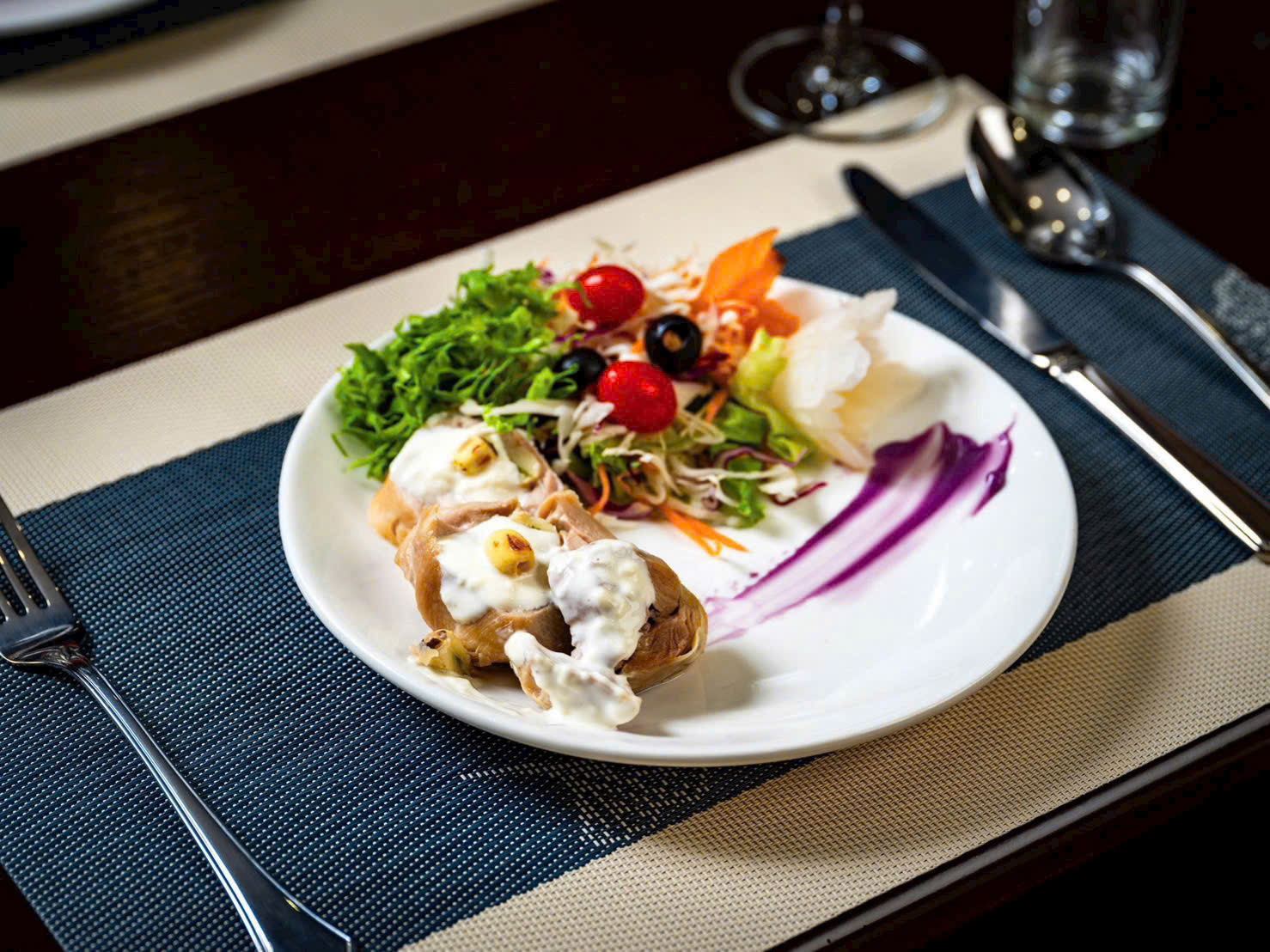
The food situation is the area of greatest concern and greatest recent progress simultaneously. Ninh Binh’s traditional cuisine is built around ingredients that are problematic for halal observance: pork appears in many dishes, fish sauce is ubiquitous, and local specialities like goat meat are prepared without halal protocols. The regional staple of scorched rice is typically vegetarian but is often served alongside non-halal accompaniments.
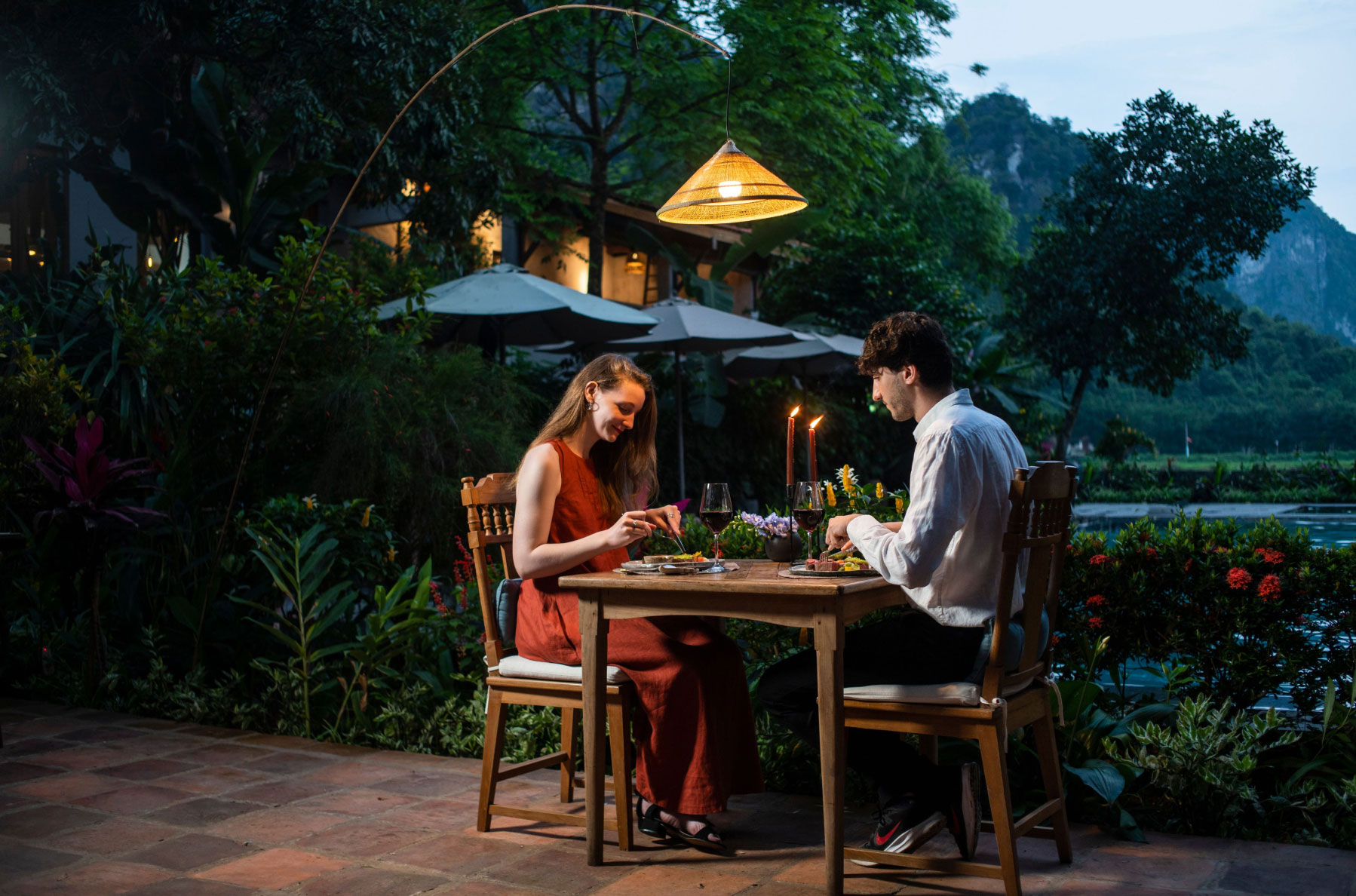
However, the Tam Coc tourist area now has three to four Indian restaurants – Aroma, Saffron, and Curry King – that cater to halal-conscious diners. These restaurants avoid pork and alcohol in their cooking, though none hold formal Halal Vietnam certification. They operate on what I would describe as a “halal-friendly” basis: well-intentioned and generally reliable, but lacking the rigorous audit trail that strict halal observance requires.
The most significant development is the emergence of a day tour from Hanoi to Ninh Binh that includes an Indian Set Menu option, prepared on a halal-friendly basis (no pork, no alcohol in the cooking). I have not been able to independently verify a currently active, formal halal certification for that specific kitchen, so I would treat it the same as the Tam Coc restaurants above and confirm directly with the operator if certification matters for your observance. Separately, I have confirmed one formally certified option in the province: Cozy Vietnam Restaurant (Ninh Binh Branch) holds Halal Certificate HVN-OIC/SMIIC-2026-306-01 (issued by Halal Vietnam, OIC/SMIIC 1:2019 & 6:2019 standards, valid 21 August 2026 – 20 August 2027) – to my knowledge the only formally certified halal restaurant in Ninh Binh province.
Prayer Facilities: Absent
I must be quite direct about this: there are no mosques in Ninh Binh province. The nearest mosque is in Hanoi – the Al-Noor Mosque (also known as the Hanoi Mosque) on Hang Luoc Street in the Old Quarter, approximately 90 kilometres north.
For Muslim travelers visiting Ninh Binh on a day trip from Hanoi, this means planning prayer around your travel schedule. The journey typically departs Hanoi around 7:00 AM and returns by 6:00–7:00 PM, which may intersect with Dhuhr and Asr prayer times depending on the season.
Tour guides in Vietnam are generally accommodating when informed of prayer requirements, but this accommodation is informal – it is not built into the tour schedule. You will need to be proactive about communicating your needs.
Cultural Environment: Welcoming but Unfamiliar
Vietnam is, on the whole, a remarkably welcoming country for visitors of all backgrounds. The Vietnamese culture of hospitality extends to Muslim travelers without reservation. You will not encounter hostility, discrimination, or discomfort based on your religious identity or dress.
That said, the general population has limited awareness of Islamic practices. Most Vietnamese people in Ninh Binh will not understand the concept of halal, prayer requirements, or modest dress expectations. This is not from malice but from simple unfamiliarity – Islam represents less than 0.1% of Vietnam’s religious landscape in the northern provinces.
This means that you will likely need to explain your needs rather than expect them to be anticipated. At restaurants, you may need to ask specifically about pork and fish sauce in dishes. At attractions, you may need to find quiet spots for prayer rather than designated prayer rooms.
Safety: Excellent
Vietnam is one of the safest countries in Southeast Asia for tourists, regardless of religious background. Ninh Binh in particular is a rural, peaceful province with extremely low crime rates. I have found no reports of religiously motivated incidents involving Muslim tourists anywhere in Vietnam, and the country’s government actively promotes tourism from Muslim-majority nations.
Women wearing hijab can travel comfortably – you may attract curious looks in rural areas simply because headscarves are uncommon in this region, but these are looks of genuine curiosity, not hostility.
Comparing Ninh Binh to Other Muslim-Friendly Destinations
To calibrate expectations properly, it helps to compare Ninh Binh’s halal infrastructure with destinations that most Muslim travelers would consider genuinely halal-friendly.
| Factor | Ninh Binh (Vietnam) | Kuala Lumpur (Malaysia) | Istanbul (Turkey) | Bali (Indonesia) |
|---|---|---|---|---|
| Halal food availability | Limited (3-4 restaurants + 1 tour + 1 certified restaurant) | Ubiquitous | Nearly everywhere | Widely available |
| Mosques | None (nearest in Hanoi) | Abundant | Abundant | Available in most areas |
| Prayer rooms | None | In malls, airports, stations | Widely available | Some available |
| Cultural awareness | Low | Native understanding | Native understanding | Good understanding |
| Safety | Excellent | Good | Good | Good |
| Natural beauty | Exceptional | Moderate (urban) | Good (historic) | Exceptional |
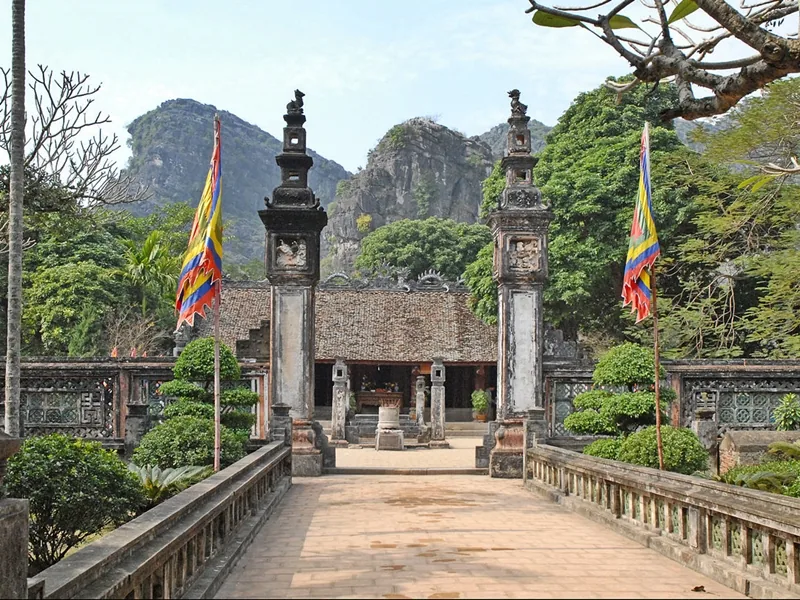
Ninh Binh clearly lags behind traditional Muslim-friendly destinations in terms of infrastructure. What it offers instead is extraordinary natural beauty – limestone karsts, UNESCO waterways, ancient temples – that rivals anything in Southeast Asia. The question for each traveler is whether the landscape justifies the extra preparation required.
I believe it does, provided you plan ahead.
A Practical Muslim-Friendly Ninh Binh Strategy
Option A: The Day Trip (Recommended)
For most Muslim travelers, a day trip from Hanoi is the optimal approach. It solves the food problem (Indian Set Menu included), limits the time away from prayer facilities, and covers the essential sights in a single day.
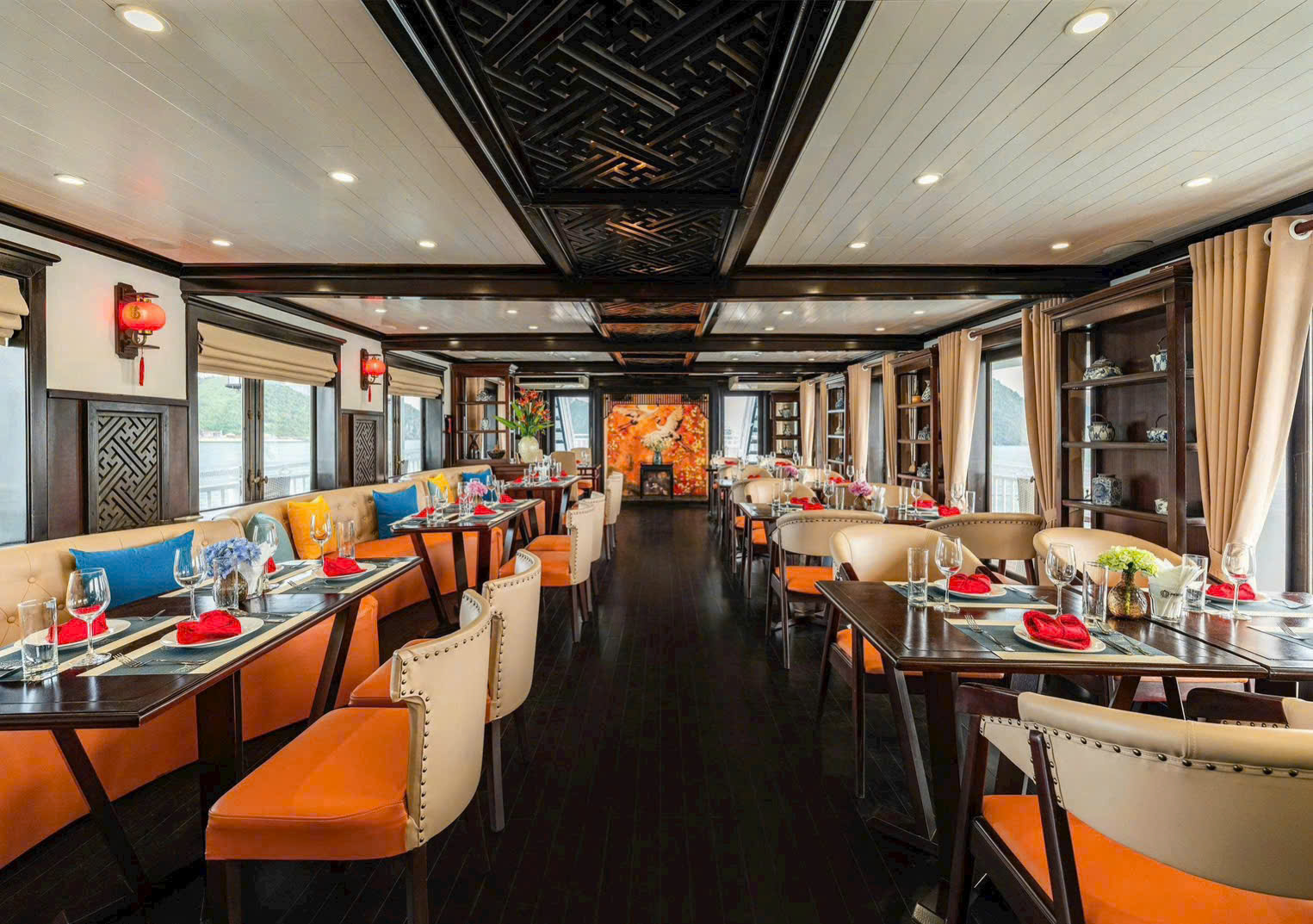
I would recommend the I recommend this particular tour on Klook that includes the Indian Set Menu option. The tour covers Hoa Lu, Tam Coc, and Mua Cave with round-trip transport from Hanoi, an English-speaking guide, and all entrance fees – priced at $29–50 per person.
Key planning points for the day trip:
- Pray Fajr before departure – the tour departs around 7:00 AM
- Inform your guide about prayer needs at the start of the day – most guides can accommodate 10–15 minute stops for Dhuhr and Asr
- Carry a portable prayer mat and qibla compass app – there are no designated prayer facilities along the route, but quiet spots near temples and viewpoints are available
- Bring halal snacks for the journey – the highway rest stop between Hanoi and Ninh Binh has no halal food options
- Select the Indian Set Menu during booking – this must be chosen explicitly; the default lunch is Vietnamese and may contain pork
Option B: Overnight Stay (For Deeper Exploration)
If you want to explore Ninh Binh more thoroughly – adding Trang An, Bai Dinh Pagoda, or cycling through the countryside – an overnight stay is worthwhile. In this case:
- Stay in the Tam Coc area to be near the Indian restaurants
- Eat at Aroma, Saffron, or Curry King for dinner and breakfast (some offer breakfast service)
- Book the day tour with Indian Set Menu for your main sightseeing day to cover lunch
- Choose a private room over a dormitory for prayer privacy
- Many homestays can prepare simple vegetarian meals if you communicate your needs in advance
Specific Practical Advice for Muslim Families
Vietnam tours for Muslim families require additional considerations, and I want to address these specifically because family travel compounds the logistical challenges.
Traveling with Children
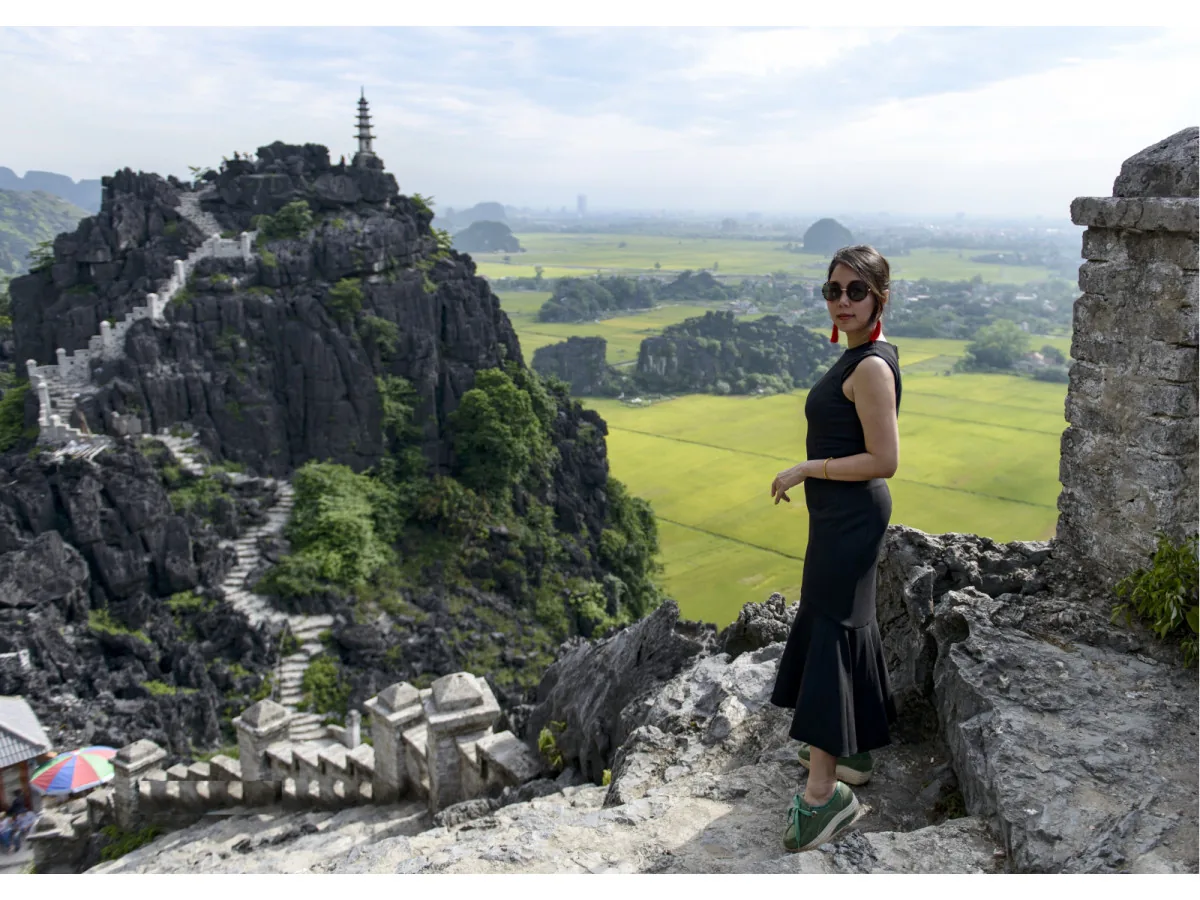
Ninh Binh is generally family-friendly. The Tam Coc boat ride is gentle and suitable for children of all ages. Hoa Lu temples are easily accessible. The only potentially challenging activity is Mua Cave, which involves 500 steep steps – manageable for children over 6 or 7 but exhausting for younger ones. Parents with very young children may want to skip Mua Cave or have one parent wait at the base while the other climbs.
Modest Dress
Vietnam does not enforce dress codes, but at Hoa Lu and Bai Dinh (both active religious sites), covering shoulders and knees is respectful and appreciated. For Muslim women who already dress modestly, this is not an additional requirement. For the Tam Coc boat ride, loose, comfortable clothing is ideal – the boats are small and you will want freedom of movement.
Dietary Needs for Children
The Indian Set Menu on tours is designed for adults but is suitable for older children. For very young children with specific dietary needs, bringing food from Hanoi is advisable. Tam Coc restaurants can prepare simple rice and vegetable dishes for children on request.
The Broader Vietnam Context
Ninh Binh is not an outlier in Vietnam’s halal infrastructure – it is rather typical. Outside of Ho Chi Minh City (which has a significant Cham Muslim community and multiple halal restaurants) and Hanoi (which has a small but growing halal food scene), most Vietnamese destinations offer limited halal options.
What makes Vietnam nevertheless attractive for Muslim-friendly tourism is the combination of extraordinary natural beauty, rich cultural heritage, excellent safety, and increasingly competitive pricing. The halal infrastructure is a work in progress, but it is progressing.
For travelers who are willing to plan ahead – booking the right tours, researching restaurants, carrying snacks – Vietnam offers experiences that rival the more conventionally halal-friendly destinations of Southeast Asia. Ninh Binh’s landscapes, in particular, are genuinely world-class.
What I Would Like to See Improve
In the interest of constructive honesty, here is what would move Ninh Binh from “partially halal-friendly” to “genuinely halal-friendly”:
- Formal Halal Vietnam certification for at least one restaurant in the Tam Coc area
- A dedicated prayer room at one of the major tourist sites (Tam Coc or Trang An)
- Halal food options at the highway rest stop between Hanoi and Ninh Binh
- Multilingual signage indicating halal status at restaurants that offer it
- Guide training that includes awareness of Islamic dietary and prayer requirements
None of these would be expensive or difficult to implement. The market demand is clearly there – India is one of Vietnam’s fastest-growing tourist source markets, and visitors from Muslim-majority nations are increasing year on year. I am cautiously optimistic that the infrastructure will catch up with the demand.
In the meantime, you can check availability on Klook for the tours that currently offer the best halal accommodation in Ninh Binh.
For those planning ahead, I have found that you can check Ninh Binh tour availability on 12Go with confirmed availability and transparent pricing.
Frequently Asked Questions
Is Ninh Binh safe for Muslim travelers?
Yes, absolutely. Vietnam is one of the safest countries in Southeast Asia for tourists of all backgrounds. Ninh Binh is a peaceful rural province with very low crime rates. There are no reports of religiously motivated incidents against Muslim tourists in Vietnam. Women wearing hijab can travel comfortably – curious looks may occur in rural areas, but these reflect genuine curiosity rather than hostility. The Vietnamese culture of hospitality extends warmly to all visitors.
Are there mosques in Ninh Binh?
No. There are no mosques in Ninh Binh province. The nearest mosque is the Al-Noor Mosque (Hanoi Mosque) on Hang Luoc Street in Hanoi’s Old Quarter, approximately 90 kilometres north of Ninh Binh. For travelers visiting on a day trip from Hanoi, this means planning prayers around your travel schedule. Pray Fajr before departure and Maghrib/Isha upon return to Hanoi.
How do I manage prayer times during a Ninh Binh day trip?
Inform your tour guide at the start of the day that you will need brief stops for prayer. Most Vietnamese guides are accommodating and can arrange 10–15 minute pauses during the itinerary. Carry a portable prayer mat and a qibla compass application on your phone, as there are no designated prayer facilities along the route. Quiet areas near temples and scenic viewpoints can serve as prayer spots. Dhuhr and Asr prayer times will typically fall during the touring day.
Is Ninh Binh halal-friendly overall?
Partially, and improving. On the positive side: three to four Indian restaurants in Tam Coc serve halal-friendly food, and one tour operator offers an Indian Set Menu backed by Halal Vietnam certification from their connected kitchen. Vietnam is safe and culturally welcoming. On the challenging side: there are no mosques, no prayer facilities, limited general awareness of halal requirements, and the broader food environment is not halal. With advance planning, Muslim travelers can visit Ninh Binh comfortably – particularly via a day tour with the Indian food option.
What should Muslim travelers pack for Ninh Binh?
Essential items include: a portable prayer mat, a qibla compass application on your phone, halal snacks for the journey (highway rest stops have no halal food), modest but comfortable clothing suitable for temple visits and the Mua Cave climb, comfortable walking shoes (not sandals – the 500 cave steps require proper footwear), sunscreen, insect repellent, a refillable water bottle, and any prescribed medications. For women, a light scarf or shawl is useful for temple visits where shoulder coverage is respectful.
© 2026 bestofninhbinh.com. All rights reserved.
Original research and photography by Dr. James Whitford.
This article was first published on bestofninhbinh.com.
Unauthorized reproduction is prohibited.
Related Guides
For further reading on this topic, I would recommend the following guides from my research: