
The question most visitors fail to ask about Ninh Binh’s markets is not “what should I buy?” but “which market should I visit?” — because the central Rong Market, the village morning markets, and the seasonal harvest markets offer entirely different experiences, products, and price points. Conflating them, as most guides do, serves no one particularly well.
This ninh binh market guide distinguishes between the three categories and offers specific purchasing recommendations for each.
At a glance:
- Markets covered: 5 (1 central, 3 village, 1 seasonal)
- Best market for food: Rong Market (Ninh Binh city centre)
- Best for souvenirs: Van Lam embroidery market + Ninh Van stone
- Best for atmosphere: Nho Quan morning market (Saturdays)
- Operating hours: 5:00–10:00 AM (morning markets), 6:00–18:00 (Rong Market)
Rong Market (Chợ Rồng) — The Central Hub
Rong Market — “Dragon Market” in translation, named for the dragon-shaped fountain at the entrance that has not functioned since, by my estimate, approximately 2018 — occupies a three-storey building in the centre of Ninh Binh city, at the intersection of Trần Hưng Đạo and Lương Văn Thăng streets.
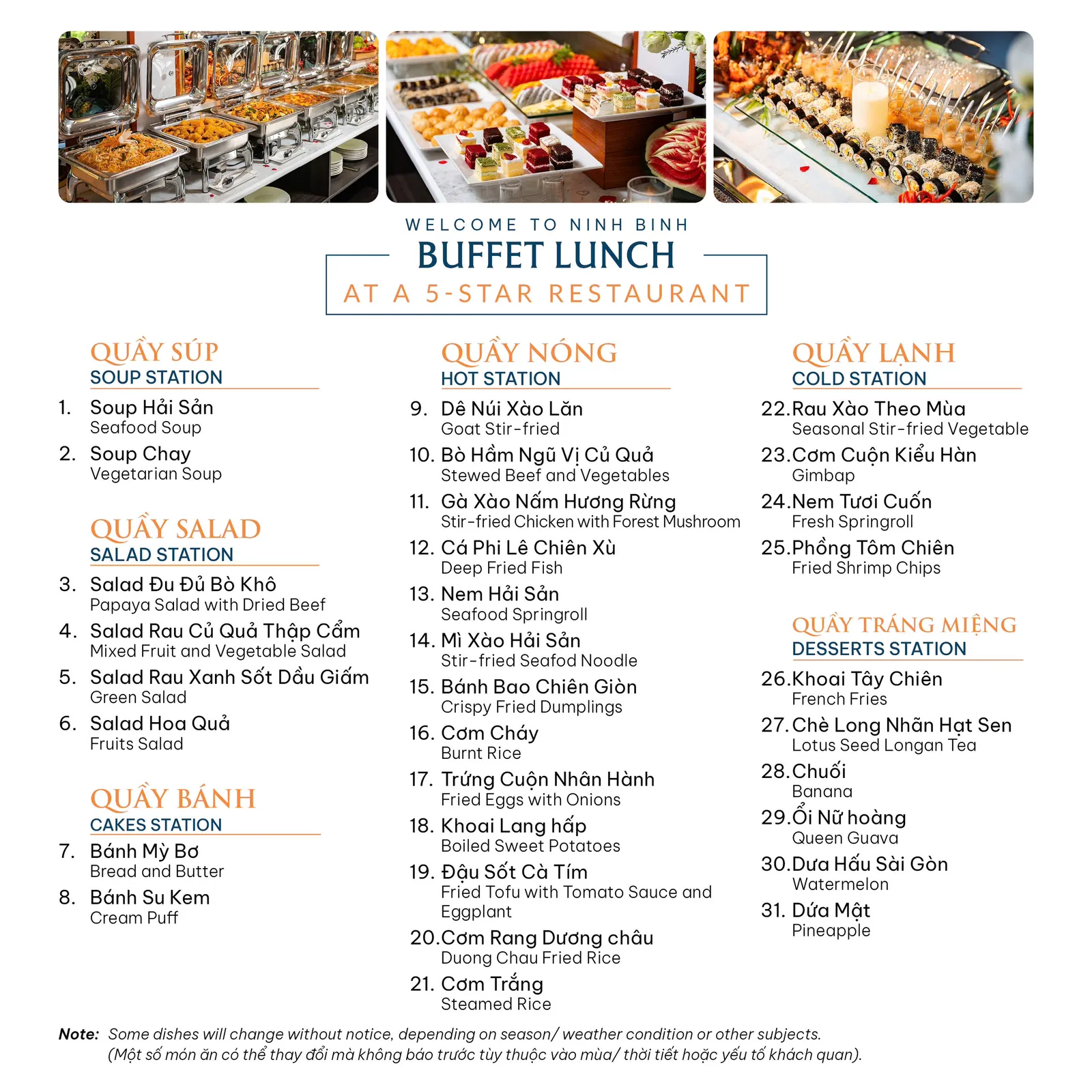
The ground floor is the culinary heart of the ninh binh market system. The specialities worth seeking out:
| Product | Price Range | Notes |
|---|---|---|
| Cơm cháy (burnt rice) | 50,000–80,000 VND/pack | The genuine article — crispy rice cakes, not the mass-produced version |
| Thịt dê (goat meat) | 200,000–300,000 VND/kg | Ninh Binh’s signature protein; morning stalls have freshest cuts |
| Rượu Kim Sơn (rice wine) | 30,000–50,000 VND/bottle | Kim Sơn district wine — smooth, 30-35% ABV. Taste before buying. |
| Mắm tép (shrimp paste) | 40,000 VND/jar | Fermented freshwater shrimp — pungent, essential for authentic cooking |
| Bánh gai (dark sticky cake) | 10,000 VND each | Black sticky rice cake with mung bean filling — local breakfast item |
The upper floors house clothing, household goods, and electronics — none of which warrant particular tourist attention. One observes, however, that the fabric section on the second floor offers cotton textiles at approximately 40% below Hanoi Old Quarter prices, which may interest those requiring practical rather than decorative purchases.
Village Morning Markets
The village markets operate on rotating schedules — a system inherited from pre-industrial agricultural trading patterns where each village hosted a market every 5 days. Three merit specific mention:
Nho Quan Saturday Market
Located 30 kilometres northwest of Ninh Binh city, the Nho Quan market draws Muong ethnic minority communities from the surrounding hills. The atmosphere is considerably more authentic than any urban market — livestock, medicinal herbs, hand-forged agricultural tools, and forest products (honey, bamboo shoots, wild herbs) dominate the offerings.
Arrive before 7:00 AM. By 9:00, the most interesting vendors have packed up. No English spoken; gestures and calculator negotiations are the norm and work perfectly well.
Gia Vien Market
Near Hoa Lu Ancient Capital, Gia Vien market operates daily but peaks on Wednesdays and Sundays. The rice paper section (see Craft Villages guide) is the draw here — watch production, buy directly from makers. Prices: 30,000–50,000 VND per 500g pack of various rice paper types.
Tam Coc Morning Market
Technically not a formal market but an informal gathering of vendors along the road to Tam Coc wharf each morning (5:30–8:00 AM). Local breakfast items, fruit, and the best bánh cuốn (steamed rice rolls) in the province, prepared fresh on portable steamers. Breakfast for two: approximately 60,000 VND ($2.40) — a figure that puts hotel breakfast buffets into rather unflattering perspective.
What to Buy: Souvenir Guide
| Item | Where | Price | Authenticity Check |
|---|---|---|---|
| Stone carved stamp | Ninh Van village | 150,000 VND | Hand-carved has tool marks; machine-cut is smooth |
| Embroidered textile | Van Lam village | 200,000–800,000 VND | Back side shows individual stitch loops |
| Cơm cháy gift pack | Rong Market | 80,000 VND | Local brands (Thắng, Hoa Lư) over factory-sealed generic |
| Kim Sơn rice wine | Rong Market / direct | 50,000 VND | Slightly cloudy = artisanal; crystal clear = industrial |
| Bamboo products | Gia Vien village | 50,000–200,000 VND | Hand-woven has irregular pattern; factory is uniform |
Practical Tips for Market Visits
- Cash only: No market in Ninh Binh accepts cards. ATMs at Vietcombank (Trần Hưng Đạo St) and BIDV (Lê Đại Hành St)
- Bargaining: Expected at tourist-facing stalls near Tam Coc; NOT expected at Rong Market or village markets (prices are largely fixed)
- Timing: 6:00–8:00 AM for freshest food and best atmosphere. Afternoon markets are hot, sparse, and uninspiring
- Bags: Bring your own. Plastic bag reduction is genuine here — many vendors use banana leaf wrapping
- Photography: Ask permission at food stalls. Most vendors are happy to be photographed; a purchase afterwards is appreciated
📌 Book this experience:

Check food tours on Klook | Browse on Klook
Some links are affiliate links. We earn a small commission at no extra cost to you.
For travelers looking to arrange market visits and local experiences in advance, I have found that you can find local experience tours on 12Go with verified operators and instant confirmation.
FAQ
What is the main market in Ninh Binh?
Rong Market (Chợ Rồng) in the city centre, operating 6:00–18:00 daily. Ground floor specialises in local food products: cơm cháy, goat meat, Kim Sơn rice wine, and shrimp paste. Upper floors have textiles and household goods.
What should I buy at Ninh Binh markets?
Best purchases: cơm cháy burnt rice cakes (50,000–80,000 VND), Kim Sơn rice wine (30,000–50,000 VND), stone carved stamps from Ninh Van (150,000 VND), and Van Lam embroidered textiles (200,000–800,000 VND).
Do Ninh Binh markets accept credit cards?
No. All markets are cash-only. ATMs available at Vietcombank and BIDV on main streets in Ninh Binh city centre. Withdraw VND before visiting village or morning markets.
Disclosure: Some links in this article are affiliate links. If you book through them, we earn a small commission at no extra cost to you.
For further reading: the history of the Dinh Dynasty.
Frequently Asked Questions
What are the must-visit markets in Ninh Binh province?
Ninh Binh City’s central market on Tran Hung Dao Street operates daily from 5:00 AM and offers the province’s widest selection of local specialties including mountain goat meat, com chay (burnt rice), and freshwater eels from the Day River. For a more traditional atmosphere, the weekly Nho Quan market draws highland vendors selling forest honey, medicinal herbs, and handwoven textiles.
What local foods should I look for at Ninh Binh markets?
Ninh Binh’s culinary identity centers on three distinctive products: com chay (crispy burnt rice, originating as 10th-century Dinh Dynasty court food, approximately 30,000-50,000 VND per portion), de nui (mountain goat, typically served seven ways), and mam tep (fermented shrimp paste pressed from the Day River’s freshwater catch). Vendors near the market entrance typically offer tasting samples before purchase.
What is the best time to visit Ninh Binh markets?
Arriving between 5:30-7:00 AM guarantees the freshest produce selection and the most authentic atmosphere, as local buyers complete their purchases before the midday heat. By 10:00 AM, several stalls begin closing and the experience becomes markedly less vibrant. Photography is generally welcomed, though pointing cameras directly at individual vendors without a smile or greeting first is considered impolite.